
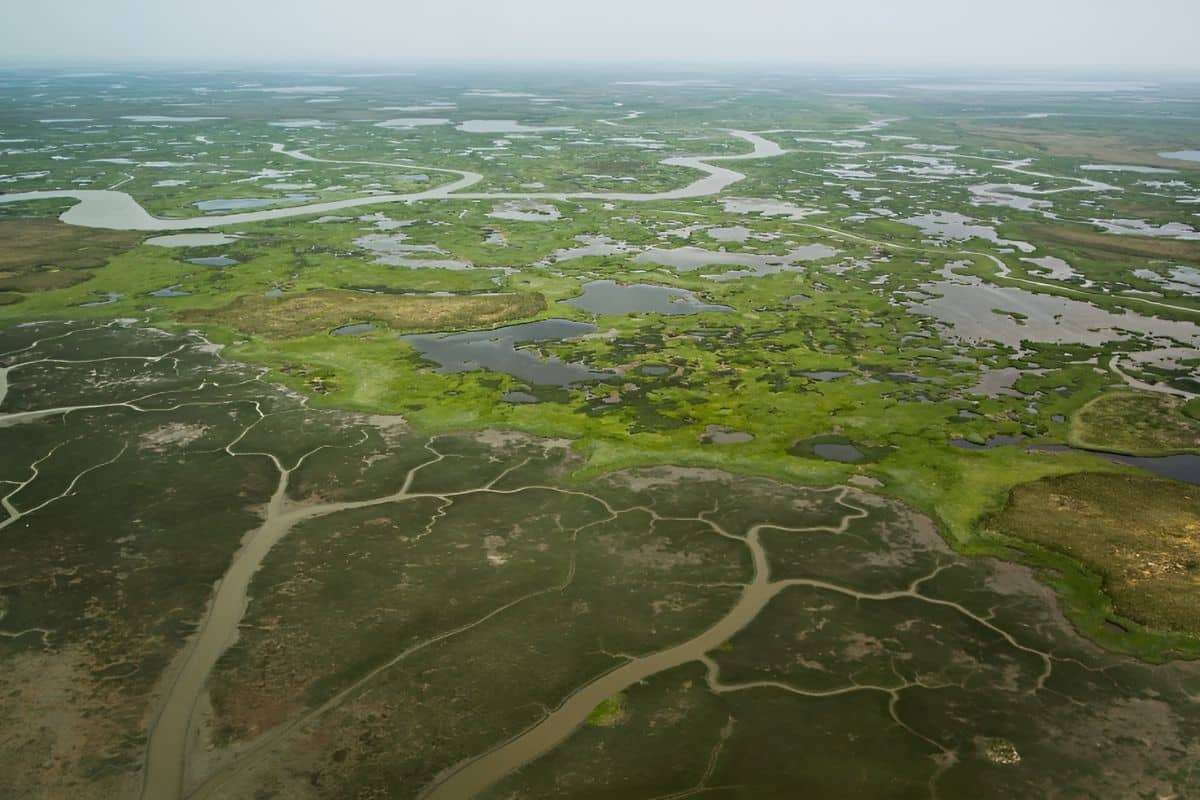
The Arctic, once a vital natural reservoir for carbon sequestration, is experiencing a profound transformation. Recent findings in Nature Climate Change indicate that more than 30% of Arctic tundra, forests, and wetlands have transitioned from absorbing carbon to emitting it into the atmosphere. This proportion grows to 40% when emissions from wildfires are accounted for.
This development signifies a major shift in the Arctic’s function in global climate balance. For millennia, permafrost—the frozen soil found throughout much of the region—served as a huge carbon storage vault. Rising temperatures are now causing this permafrost to thaw, releasing billions of tons of CO₂ and driving further planetary warming.
The Arctic's Buried Carbon Threat
Almost half of Earth's soil carbon lies beneath the Arctic, surpassing double the carbon currently in the atmosphere. This enormous carbon cache has remained locked within frozen soil for thousands of years. However, increasing temperatures lead to thawing permafrost and free organic matter previously trapped.

Anna Virkkala, lead author and researcher at the Woodwell Climate Research Center, notes, “Warmer conditions cause the soils to thaw. Once permanently frozen, these soils now decompose more organic material, releasing carbon gases into the atmosphere.”
Known as the permafrost-carbon feedback, this phenomenon is intensifying climate change. Rather than capturing CO₂, vast parts of the Arctic are now significant carbon emitters.
Transformations Across the Arctic Terrain
The Arctic is not only warming but also undergoing visible alterations. Previously frozen ground is collapsing as the permafrost thaws, new lakes emerge, and expansive areas become wetlands and unstable bogs.
Sue Natali, a climate expert and co-author of the study, explains: “In some regions of interior Alaska, thawing permafrost allows increased plant growth, temporarily boosting carbon uptake. Yet, when ground subsides, changes in the landscape are dramatic and unmistakable.”
Moreover, thawing promotes wildfires that intensify carbon emissions by burning organic material stored in Arctic soils. As climate change fuels more frequent and severe fires, the Arctic’s carbon storage capability continues to decline.
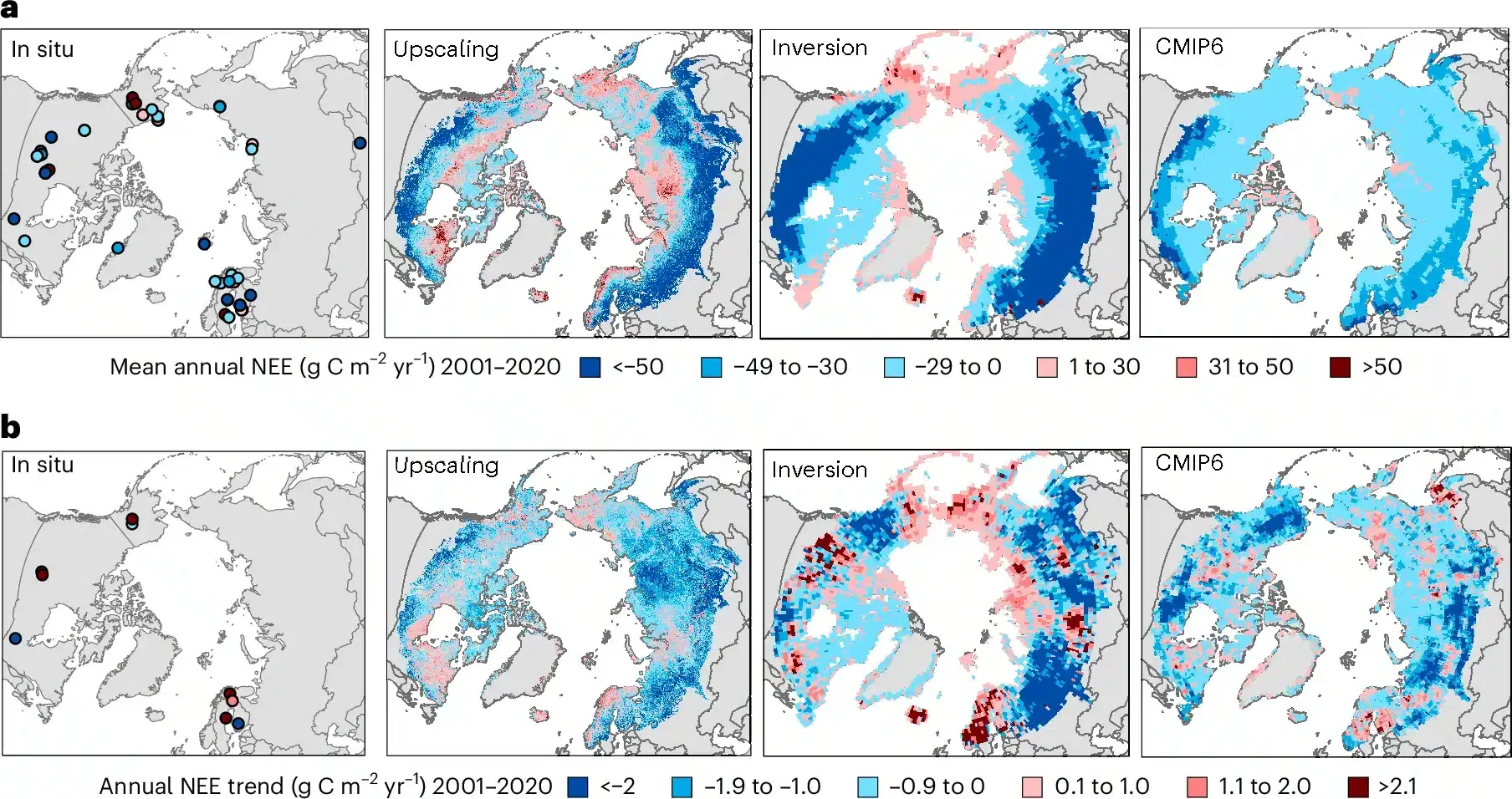
The Global Stakes of Arctic Carbon Release
The Arctic has historically been essential in regulating Earth’s climate system, storing vast quantities of carbon that helped moderate atmospheric CO₂. With these reserves now turning into emissions, scientists warn of wide-reaching and enduring effects.
The implications include:
- Increased atmospheric CO₂: Growing emissions from the polar region complicate efforts to limit global warming.
- Accelerated climate tipping points: Permafrost thaw may trigger feedback loops that exacerbate global temperature rises.
- Disrupted weather systems: The Arctic influences Northern Hemisphere weather, with destabilization potentially causing more severe storms, heat extremes, and seasonal shifts worldwide.
Is It Possible to Halt This Trend?
Stopping catastrophic permafrost degradation poses a significant hurdle. Mitigating the Arctic's conversion into a carbon source requires drastic cuts in global fossil fuel consumption and effective temperature control. Urgent and ambitious climate policies are critical to stave off the most severe outcomes.
Additionally, enhanced surveillance and scientific investigation are essential. With Arctic warming occurring at almost four times the global average and large areas still unexplored, there is a pressing need for expanded funding and continuous monitoring of permafrost carbon emissions in real time.
- Categories:
- News




0 comments
Sign in to Comment