
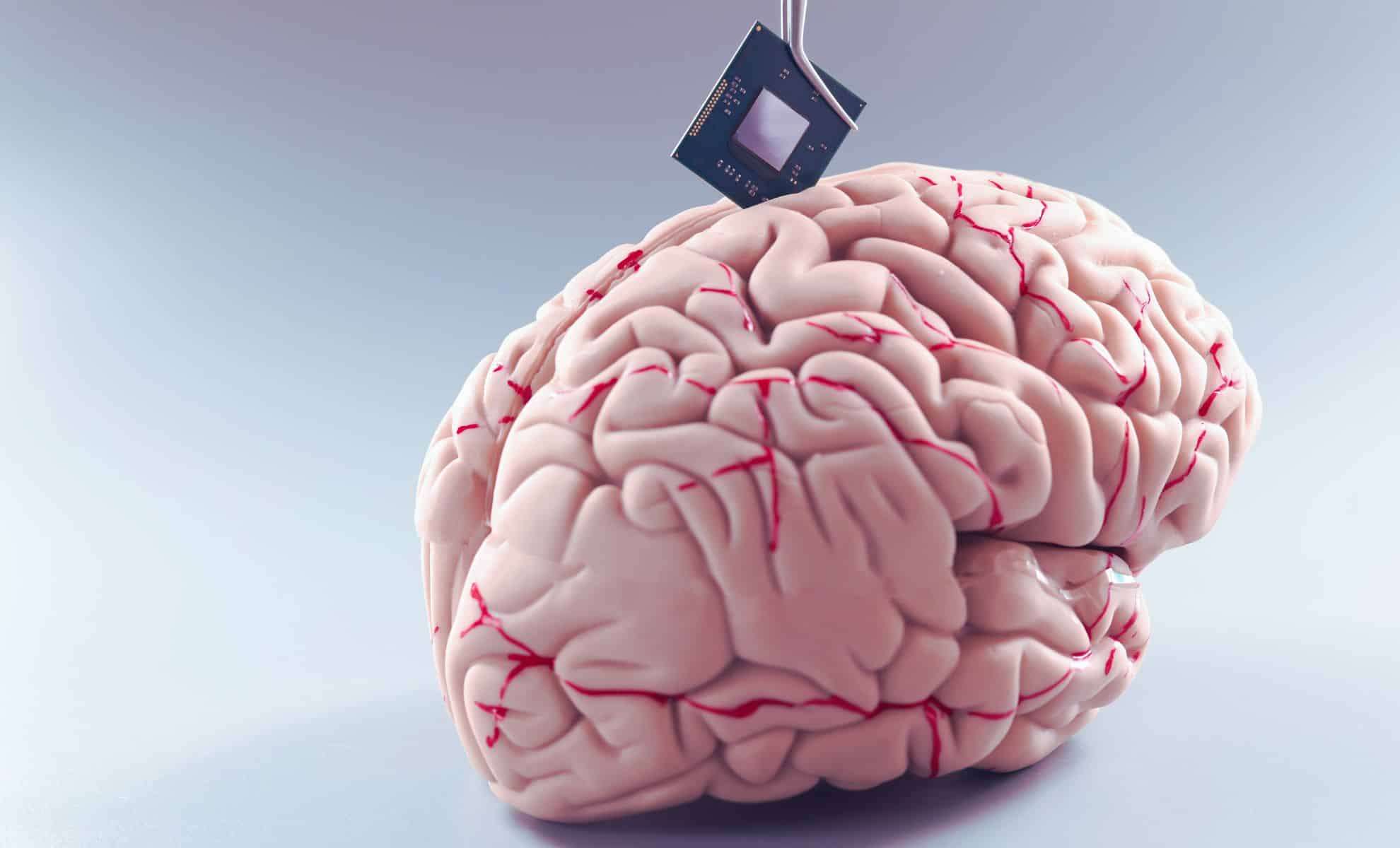
Researchers at RMIT University have unveiled a pioneering neuromorphic chip that replicates human visual perception and cognitive processing, enabling swift motion detection and immediate memory formation.
Published in the journal Advanced Materials Technologies, this innovation could redefine robotics, autonomous driving, and intelligent gadgets by achieving rapid and energy-efficient vision processing.
A Neuromorphic Sensor with Instantaneous Vision and Memory Storage
The chip, crafted from ultra-thin layers of molybdenum disulfide (MoS2), emulates the integrated functions of the human eye and brain. It autonomously identifies visual changes, processes the data without additional computing hardware, and retains the information as memory. Departing from conventional digital architectures that rely on intensive data handling and high energy use, this device leverages analog-style neural computation.

Professor Sumeet Walia, leading the RMIT Centre for Opto-electronic Materials and Sensors (COMAS), highlights, “Neuromorphic visual systems adopt analog processing akin to the brain, drastically cutting down the energy consumption required for complex visual tasks compared to today's digital approaches.”
Motion sensing is performed using edge detection, where the chip detects movement, such as a waving hand, by observing changes along edges rather than capturing complete images. This approach significantly lowers data load and power requirements, facilitating quicker, more efficient analysis.
Role of MoS2 in Neuromorphic Vision Technology
The key component, molybdenum disulfide, is an atomically thin metal compound, bestowing unique optical and electrical capabilities. Atomic imperfections within MoS2 enable it to emulate neuron-like behavior by generating electrical spikes in response to light.
PhD candidate Thiha Aung explains, “Our work shows that atomically thin molybdenum disulfide effectively mimics leaky integrate-and-fire (LIF) neurons, which are crucial elements of spiking neural networks.”
Advancing Safer Autonomous Vehicles and Smarter Robotics
The researchers anticipate that this neuromorphic vision chip can significantly enhance reaction speeds for autonomous vehicles and robotic systems navigating complex, dynamic settings by instantly processing visual cues.
Professor Walia notes, “Although still years away from widespread application, neuromorphic vision could enable near-instantaneous scene change detection with minimal data processing, allowing quicker responses that may save lives.”
Akram Al-Hourani, COMAS Deputy Director, adds, “In manufacturing or personal assistance scenarios, robots equipped with this technology could interact more naturally by promptly recognizing and responding to human actions.”
Expanding Scale and Functionalities
Currently focusing on enlarging the single-pixel prototype into full-scale pixel arrays, the team is supported by an Australian Research Council Linkage Infrastructure, Equipment and Facilities grant. Their goal is to enhance performance for sophisticated real-world tasks while further minimizing the energy footprint.
“Our efforts will concentrate on tuning the devices for specialized applications involving complex vision demands and cutting power consumption even more,” says Walia.
- Categories:
- News











0 comments
Sign in to Comment