
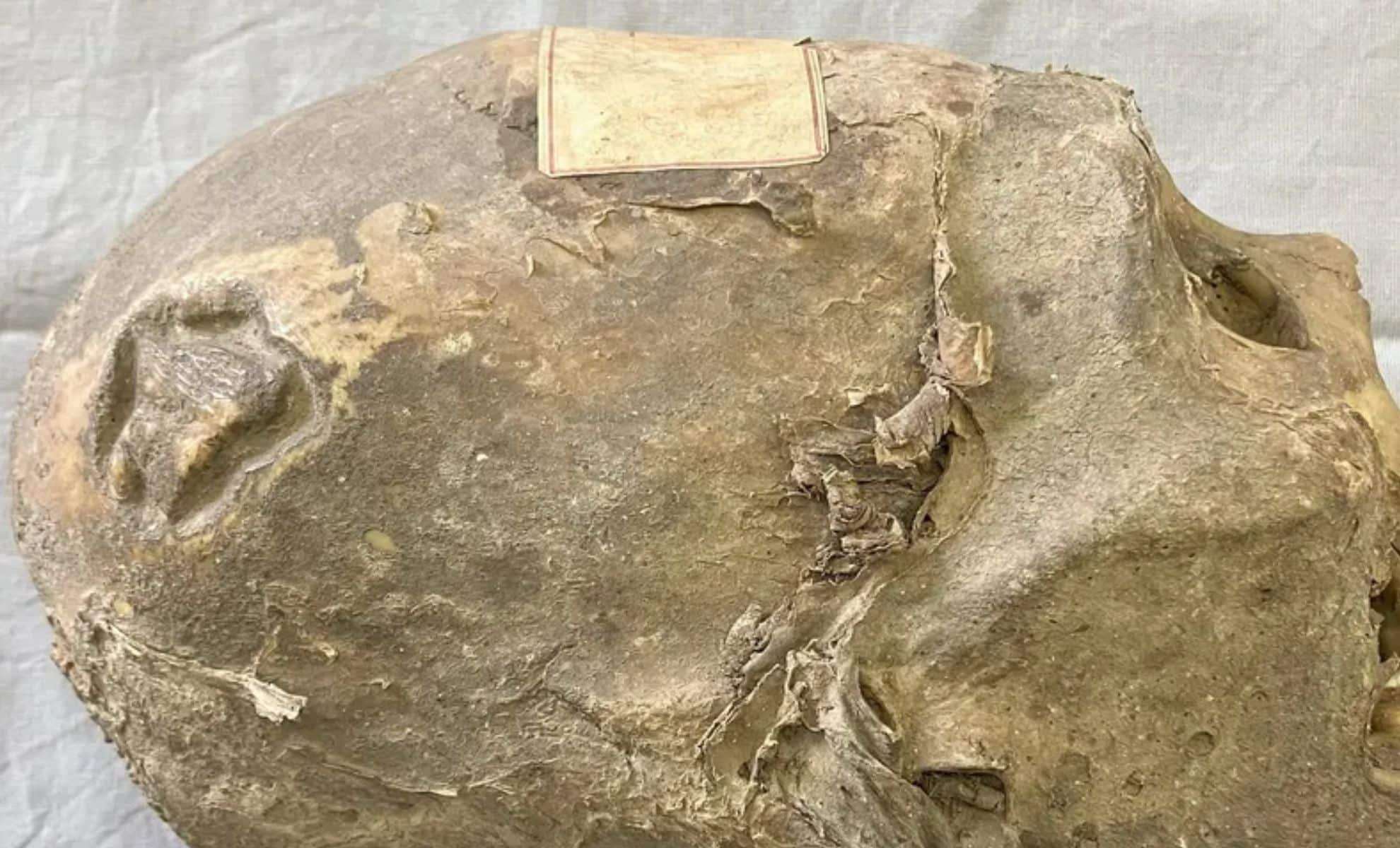
A 350-year-old mummified head preserved in a Swiss museum for more than a hundred years has recently been reclassified with a surprising new identity. Previously believed to be that of an Inca man, recent studies have determined it actually belonged to an individual from the Aymara people, an Indigenous group native to the Bolivian Highlands. This discovery was detailed in a paper published on August 27 by the International Journal of Osteoarchaeology.
A Century-Old Misidentification Uncovered
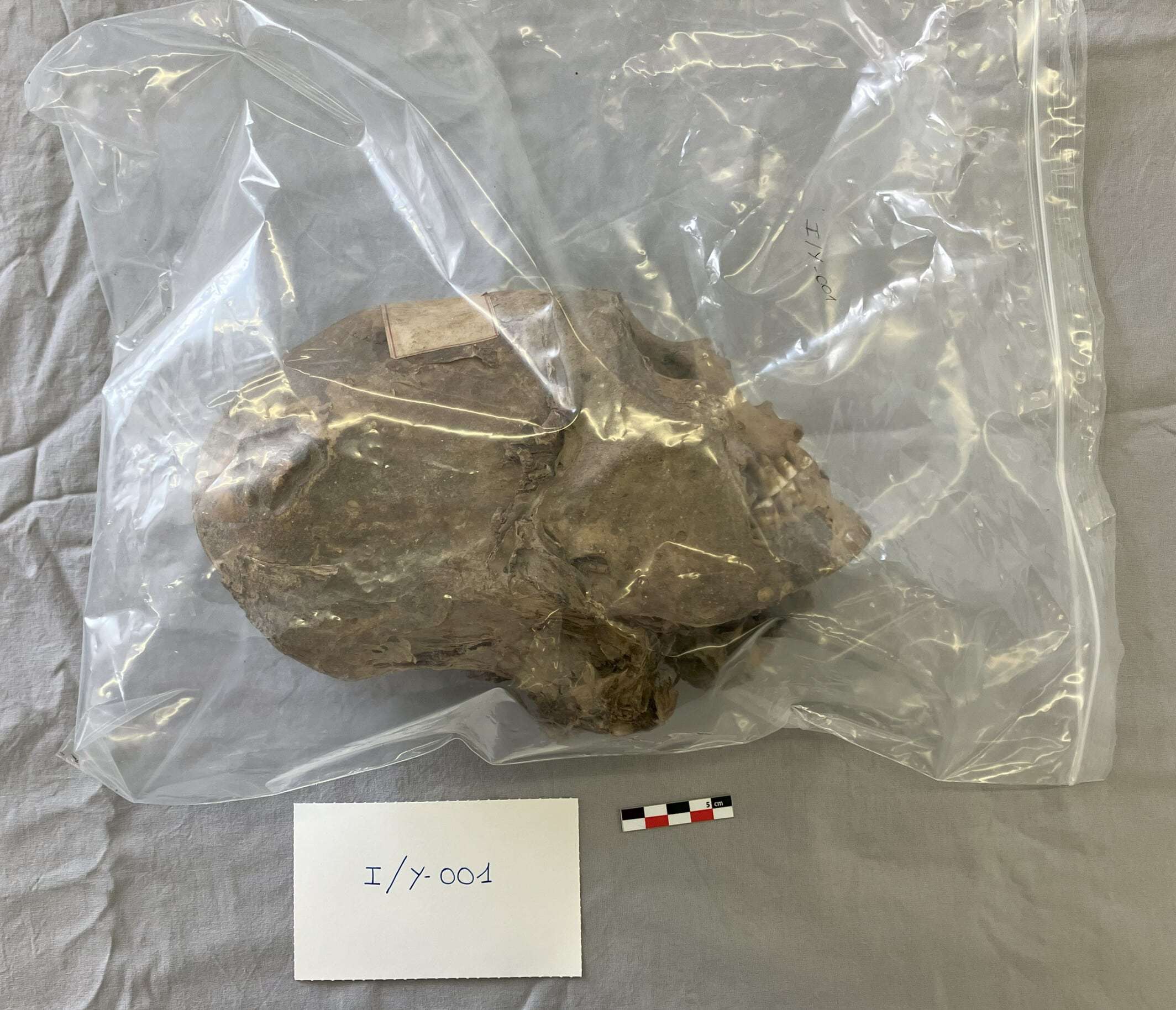
In the late 19th century, a Swiss collector acquired this mummified head in Bolivia and eventually donated it, along with a note identifying it as Inca, to a museum in Lausanne. This attribution went unquestioned for over one hundred years. Recent research, however, employed noninvasive analytical methods to examine the skull—carefully avoiding any damage.
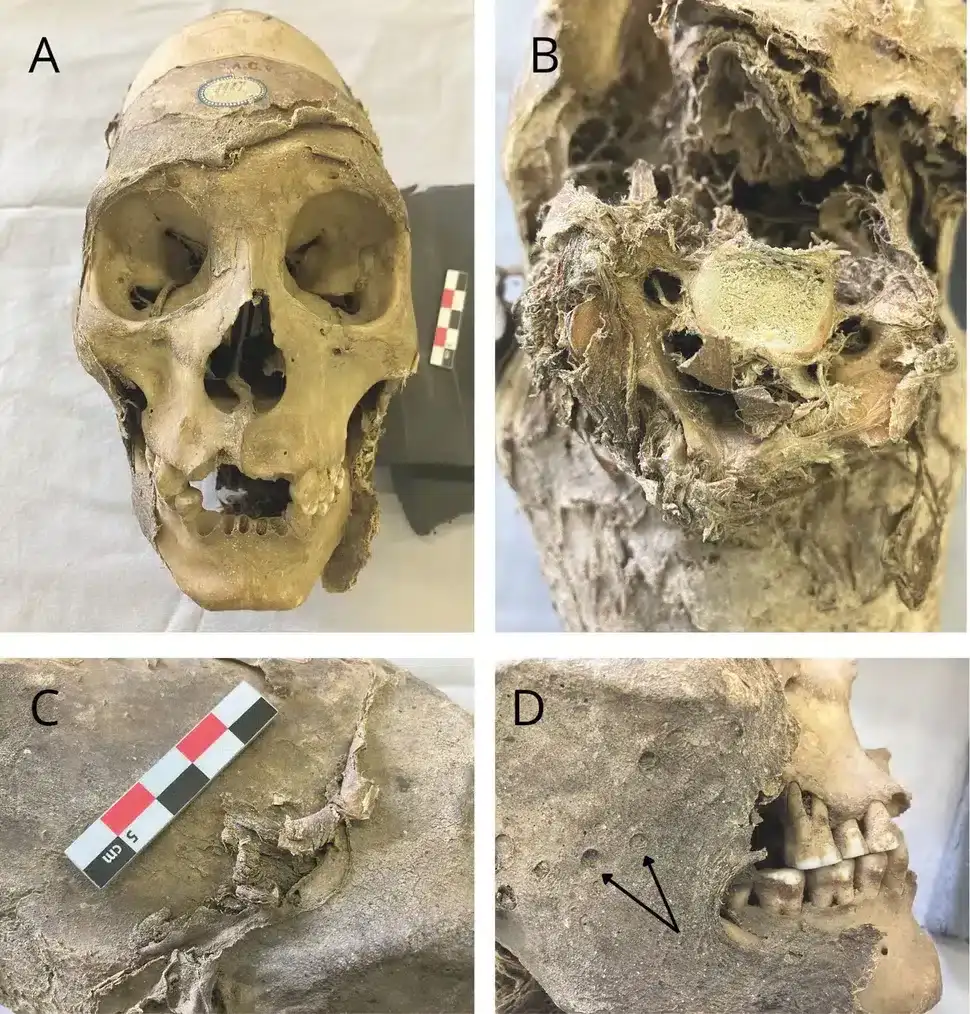
They observed intentional cranial deformation from early childhood practices, which were common in many ancient South American cultures. The particular style of deformation corresponded closely with traditions known from the Aymara people rather than the Inca.

Moreover, the collector’s note mentioned a location that aligns well with traditional Aymara lands. Experts now propose that the remains originated from a chullpa, a stone funerary tower typical of the Andean region surrounding Lake Titicaca. The region’s high altitude and dry climate likely contributed to the natural mummification of the head.
An Intriguing Cranial Anomaly
One compelling feature identified is a noticeable incision on the right upper part of the skull, indicating an unfinished trepanation attempt. Trepanation involves cutting or drilling holes into the skull, historically performed to alleviate intracranial pressure or for spiritual motives.
Interestingly, the incision was not completed and did not penetrate fully through the bone. Additionally, there is no evidence suggesting the individual had sustained a head injury, leading researchers to speculate that this trepanation may have been part of a ritualistic or cultural practice rather than a medical treatment.
Such a combination of cranial shaping and trepanation in a single specimen is extraordinarily rare. Paleopathologist Julia Gresky, who was not involved in the study, remarked she had “never before encountered a skull exhibiting both modifications.” She humorously added, “Perhaps the individual was simply reluctant to proceed with the operation.”
Respecting Cultural Heritage in Scientific Inquiry
The research team prioritized respectful handling of the remains, intentionally avoiding destructive tests such as DNA extraction or radiocarbon dating. Claudine Abegg, lead author from the University of Geneva, emphasized that decisions regarding invasive analyses should rest with the descendant communities. This study confined itself to non-damaging methods to ensure ethical standards were upheld.
Museum curator and co-author Claire Brizon expressed that the head represents more than just an artifact: “These remains are not simply specimens in a collection, but the physical legacy of an individual.”
Although no formal requests for repatriation have been made so far, Brizon conveyed the institution’s willingness to engage in dialogue. The head is currently not exhibited publicly, and its eventual disposition will likely depend on guidance from the Aymara community.
- Categories:
- News









0 comments
Sign in to Comment