
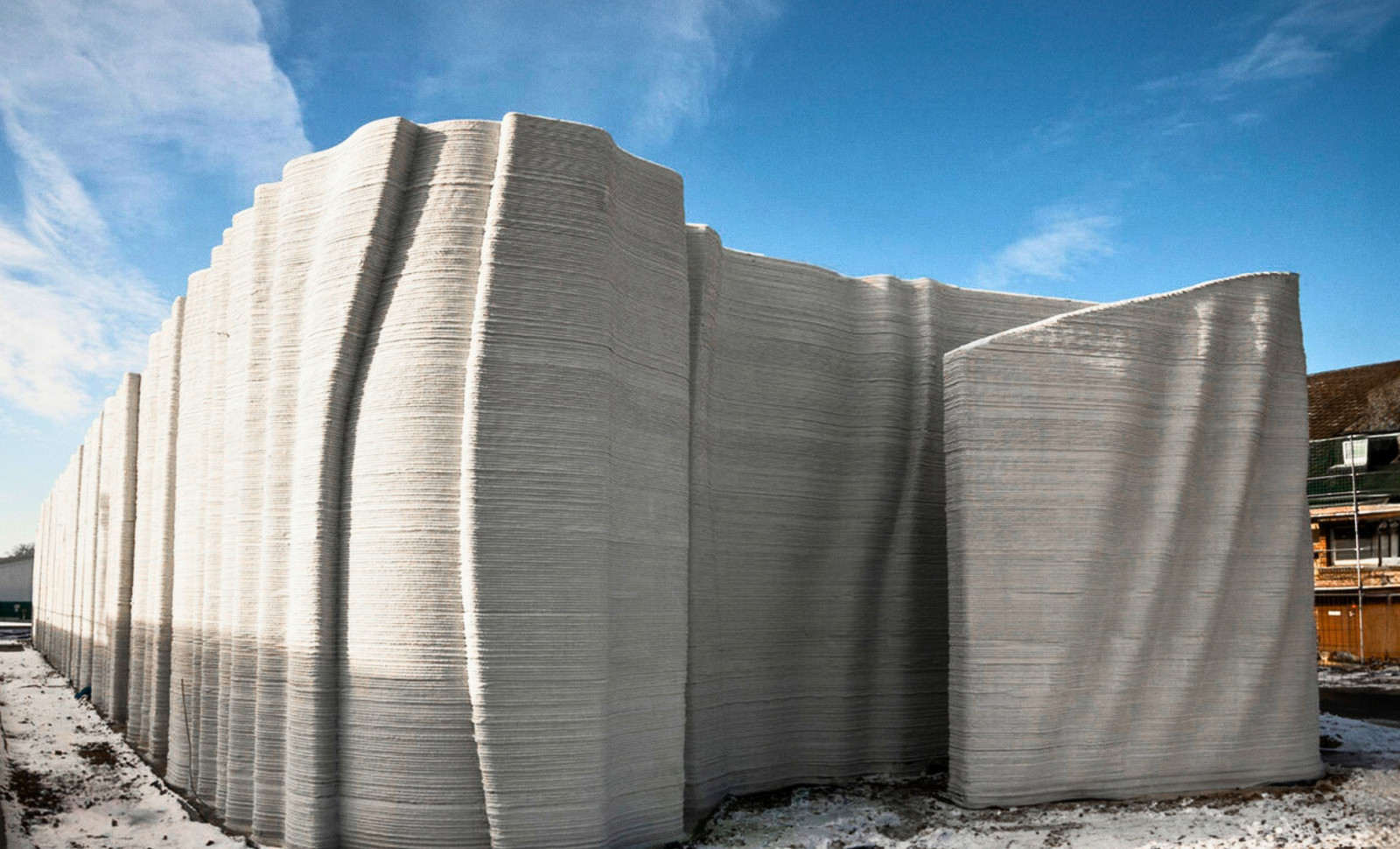
In Argentina, traditional construction sites are familiar with prolonged periods of scaffolding, dust, and noise before a home begins to emerge. Mateo Salvatto, however, aims to shrink this timeline dramatically to just a weekend.
Salvatto is a co-founder of Grondplek, an Argentine company utilizing a large-scale 3D concrete printer capable of constructing an entire house’s structural framework—including walls, staircases, and countertops—in as little as 48 hours. In a recent podcast, he asserted that this approach could reduce building expenses by about 30% compared to traditional methods. These figures, however, have not been independently confirmed.
The printer used for this process is manufactured by Denmark’s COBOD, and Grondplek holds exclusive distribution rights for Argentina, Uruguay, and Paraguay.

Printing Without Traditional Formwork, Layer by Layer
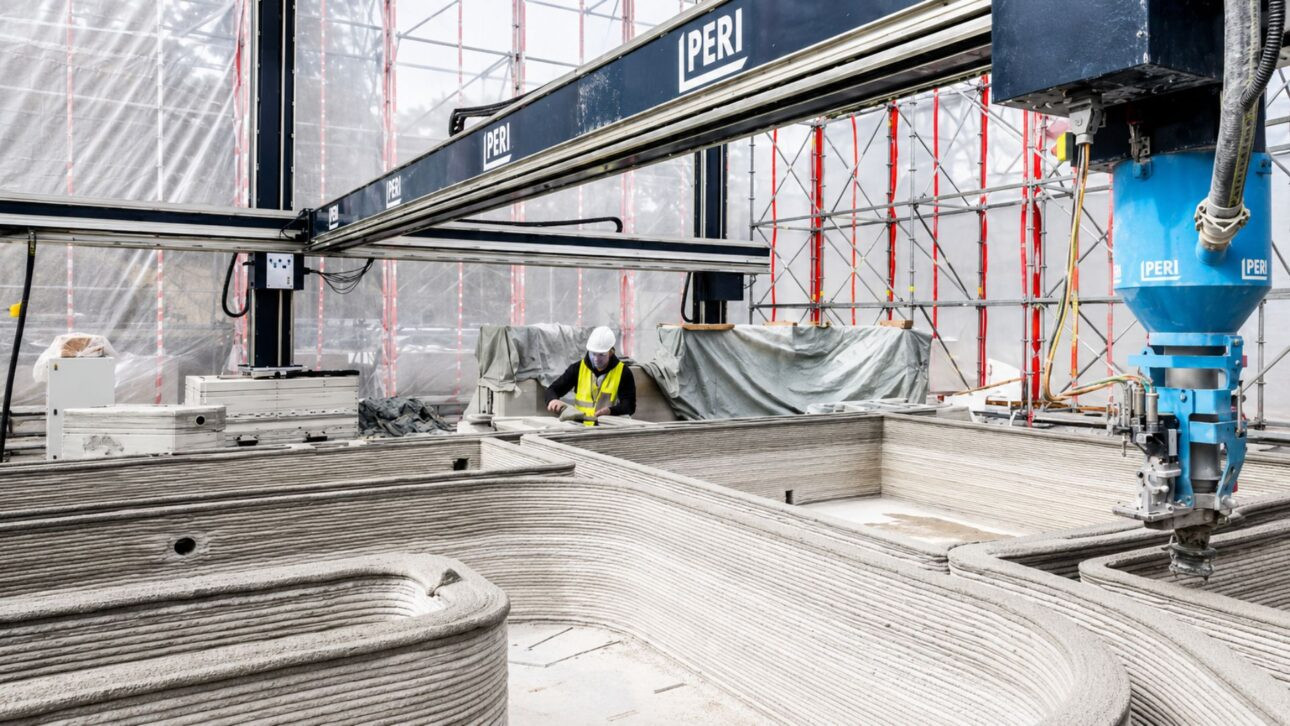
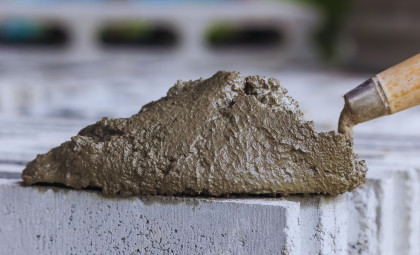
The device measures around 11 meters square and is 7 meters tall. It uses a compact mixer to pump conventional cement mixed with about 2% additives through hoses to a mobile printing nozzle. This nozzle automatically follows pre-programmed designs, extruding concrete layer by layer and pausing between each for solidification before proceeding.
“It’s just concrete, nothing complicated,” Salvatto explained, emphasizing that the chemical additives used are locally sourced within Argentina.
Salvatto describes the final structure as having double walls with an air chamber for thermal insulation. He claims the construction is earthquake-resistant and more energy-saving than typical buildings. It’s also capable of producing curved walls—an expensive and difficult task with conventional formwork. The article does not provide external verification of these claims.
It’s important to note that this printer only produces the structural shell, known as the obra gris. Electrical, plumbing, and interior finishing still require manual labor. Salvatto stresses that the goal isn’t to replace workers but to shift their roles toward supervising machines and completing finishing touches.
How An Argentine Team Chose a Danish 3D Printer
Grondplek’s idea was sparked by a simple inspiration: a friend showing Salvatto and his co-founders footage of 3D concrete printing. After traveling throughout Europe to research equipment, they selected COBOD from Copenhagen.
According to COBOD’s site, Grondplek is the only Latin American team certified at Level 3 for printer operation, the company’s highest level.
One of their first commercial clients was Techint Engineering and Construction, a leading industrial construction company in Latin America. In June 2025, Techint became the first Argentine firm to incorporate a 3D concrete printer into its projects. Initial tests were conducted at Techint’s TEPAM logistics center in Buenos Aires.
The printer model in use, the BOD2, covers 12 by 12 meters with a maximum printing height of 6 meters. Alejandro Aguirre, Techint’s Senior Innovation Manager, said the technology allows prefabrication of structural components in a safe, controlled setting before delivering them to construction sites. Field Engineer Rocío Gentico pointed to faster build times, less material waste, and the removal of conventional formwork as primary benefits.
Accelerated Construction with Reduced Waste and Carbon Impact
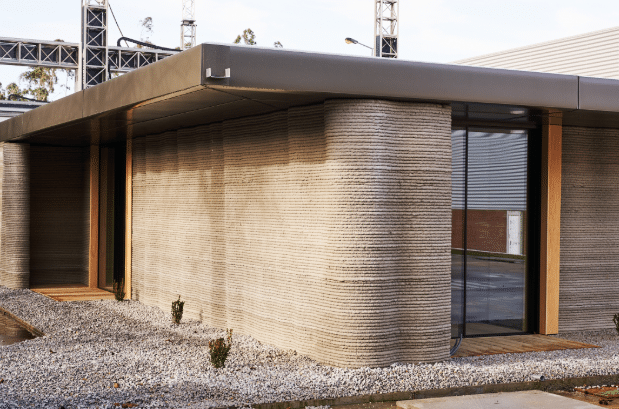
Grondplek is among several companies reporting significant time savings with 3D printing. A case study shared by COBOD highlighted a Portuguese builder who completed an 80-square-meter home in two months—eight times quicker than traditional construction—printing the walls in just 18 hours.
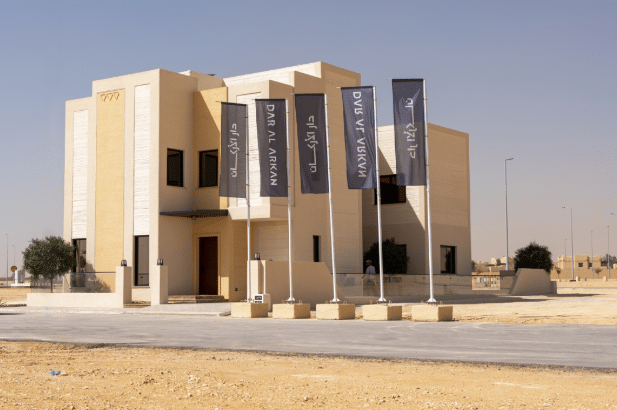
Similarly, a project in Saudi Arabia used the same method to print a three-story, 345-square-meter villa in under a month, with printing material costs reported at below 10,000 euros. These numbers haven’t undergone independent verification.
Techint emphasized environmental benefits such as limiting construction waste, removing wood formwork, and reducing the need for reinforcing steel. These improvements align with their innovation priorities: prefabrication, automation, and minimizing the carbon footprint.
At present, the BOD2 model prints buildings up to three stories tall. Salvatto noted that newer printers with horizontal rail designs are emerging, enabling sequential printing of multiple adjacent structures without needing to pause for repositioning.
Current Progress and Future Plans
Grondplek states that over 500 square meters of concrete structures have been printed to date, generating more than 1,400 prefabricated components and reducing shell construction time by 35% across their projects.
Techint plans to deploy the BOD2 printer at sites with ongoing demand for standardized components after their engineering team completes a catalog of adaptable printed designs for future industrial use.
- Categories:
- News









0 comments
Sign in to Comment