
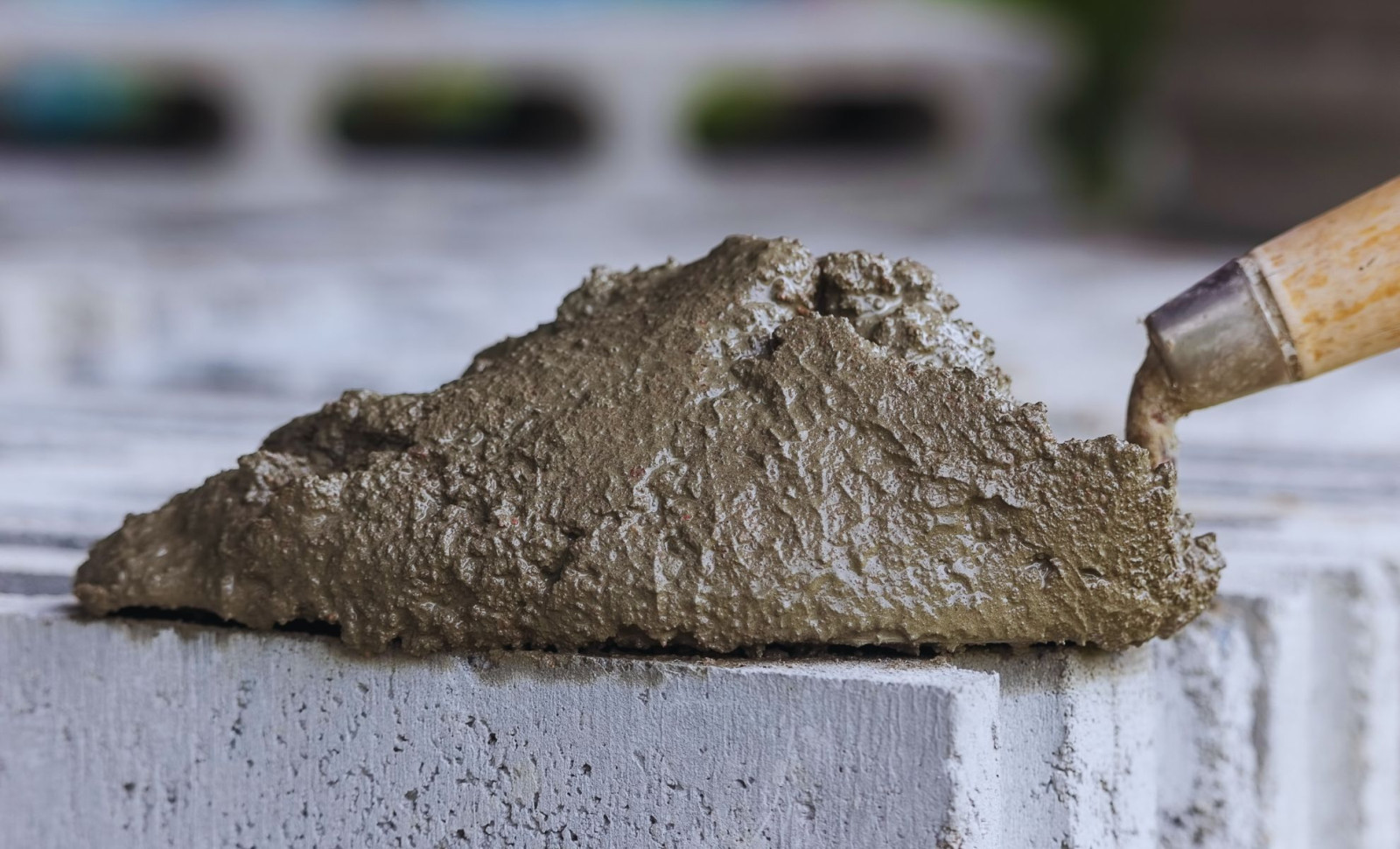
A team at Princeton University has unveiled a groundbreaking type of cement that boasts a toughness 17 times greater than standard concrete. Drawing inspiration from the natural resilience of oyster shells, this innovative bio-engineered material promises to revolutionize how we build.
Cement remains a cornerstone of modern construction, yet its production significantly contributes to global carbon emissions. The material’s inherent brittleness frequently causes cracking and structural weaknesses, driving engineers to seek more robust alternatives. The Princeton researchers took a novel approach by examining the remarkable sturdiness of oyster shells, aiming to replicate their structural features in cement composition.
Decoding the Durability of Oyster Shells
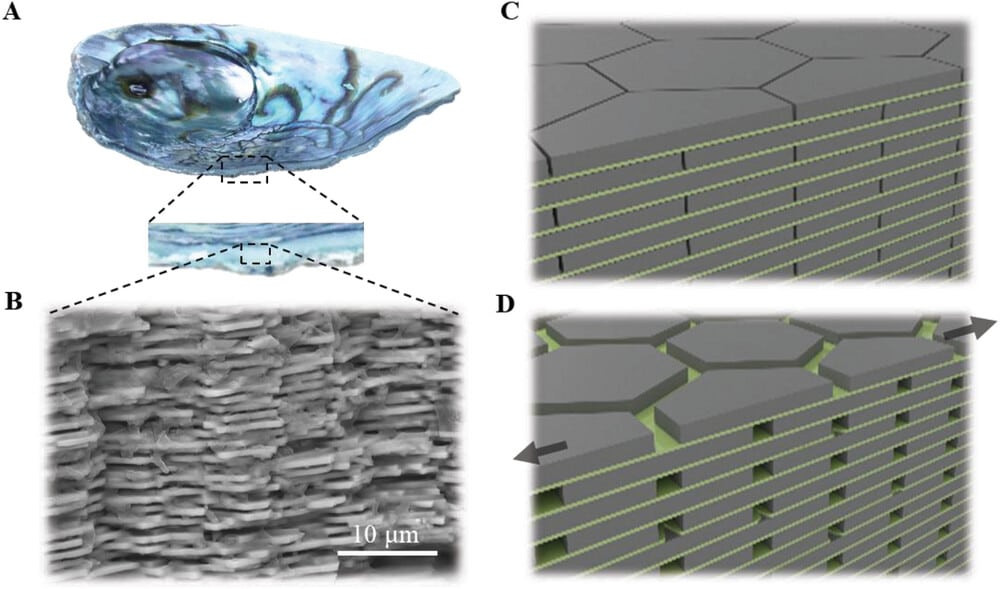
The extraordinary strength of oyster shells comes from nacre, commonly known as “mother of pearl,” a composite consisting of tiny hexagonal aragonite plates held together by flexible biopolymers. This hybrid of rigid and soft elements allows nacre to effectively absorb and distribute stress, preventing the spread of fractures. Graduate student and study co-author Shashank Gupta explained:

“This synergy between the hard and soft components is crucial to nacre’s remarkable mechanical properties,” He stated in a press release issued by Princeton Engineering. “If we can engineer concrete to resist crack propagation, we can make it tougher, safer and more durable.”
By emulating nacre’s structure, the Princeton researchers developed a cement with enhanced resilience. Published in Advanced Functional Materials, their study shows that layering polymers between cement sheets and engineering hexagonal patterns closely mimic nacre’s microscopic mechanisms, significantly boosting flexibility and resistance against cracking.
Innovative Approaches to Cement Design
The research team explored three multilayered cement beam configurations. The first design layered cement paste and polymers; the second incorporated hexagonal grooves; and the third replicated the nacre pattern with hexagonal cement tiles resembling oyster shell structures. Testing revealed that the third variant achieved the highest performance, demonstrating toughness 17 times that of regular cement and ductility 19 times greater, all without sacrificing material strength.
The secret to this enhancement lies in the movement of hexagonal plates sliding past each other, much like nacre’s natural process. This mechanism prevents crack expansion and allows the material to bend without losing durability. Polymer layers contribute to the cement's ability to withstand stress, creating a well-balanced mix of toughness and flexibility.
Sustainable Advances in Construction Materials
Accounting for approximately 8% of worldwide greenhouse gas emissions, cement manufacturing’s environmental impact necessitates urgent innovation. Reza Moini, a co-author of the paper, highlighted:
“Our bio-inspired approach is not to simply mimic nature’s microstructure but to learn from the underlying principles and use that to inform the engineering of human-made materials. One of the key mechanisms that makes a nacreous shell tough is the sliding of the tablet at the nanometer level.”
Though the new cement shows great promise, extensive testing and development remain before it can be broadly adopted in the construction industry. Nonetheless, its bio-inspired design could ultimately transform building methods.
“We are only scratching the surface; there will be numerous design possibilities to explore and engineer the constitutive hard and soft material properties, the interfaces, and the geometric aspects that play into the fundamental size effects in construction materials,” he commented.
- Categories:
- News








0 comments
Sign in to Comment