
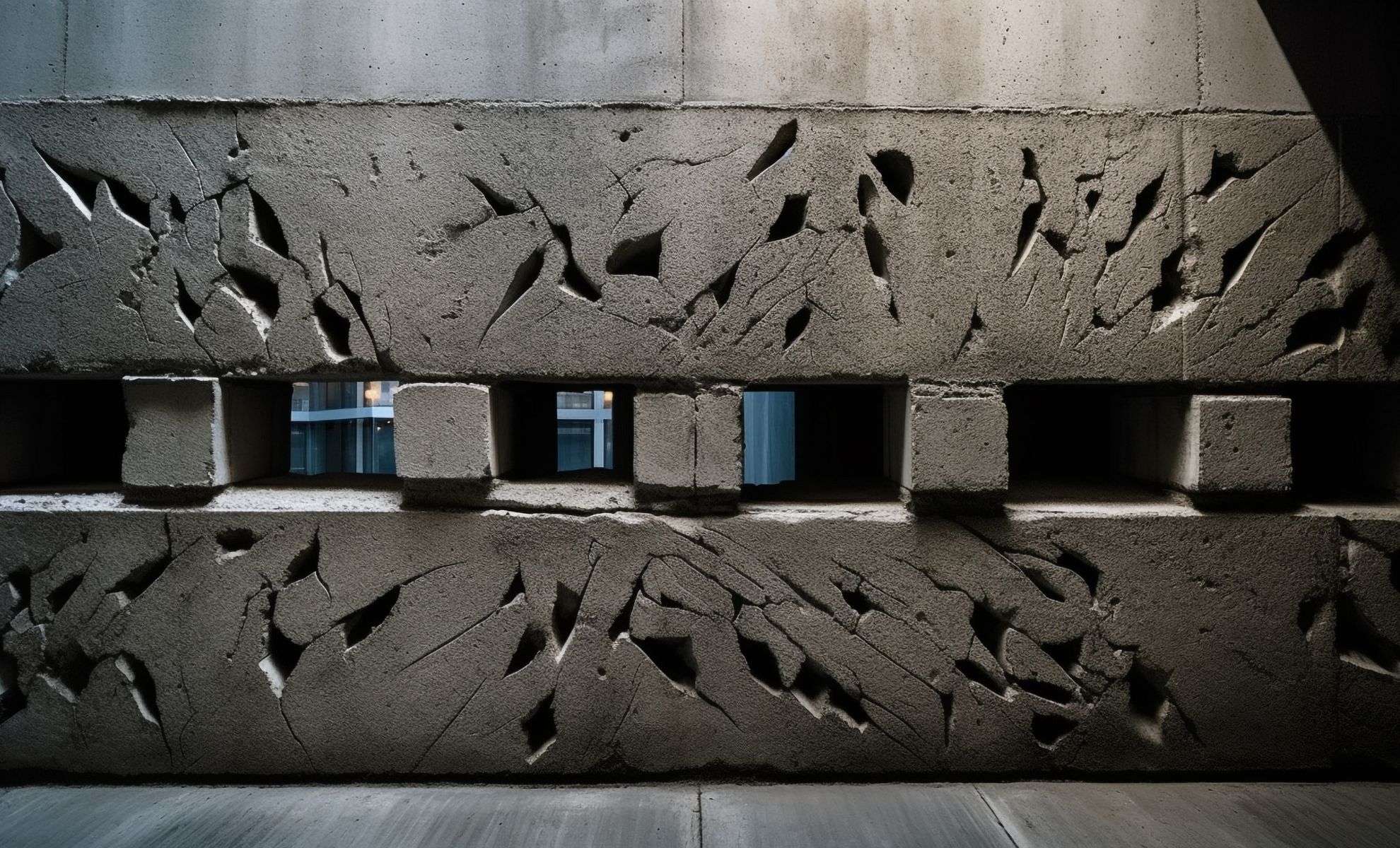
Near Osaka, engineers have formulated a revolutionary material that could disrupt a carbon-intensive global industry. Operating within a university laboratory cluttered with leftover construction waste, the team has produced a novel soil stabilizer composed of recycled construction dust and crushed glass. This cement-free composite aims to dramatically reduce the construction sector's carbon footprint.
As reported by Science Daily, the innovation stems from the efforts led by Professor Shinya Inazumi. Their material not only complies with industry benchmarks for soil reinforcement but also addresses two pressing waste challenges: excess industrial residues and carbon emissions linked to cement manufacturing. "Leveraging two types of industrial discards, we engineered a solidifier that achieves performance standards while tackling construction waste and CO2 emissions," said Inazumi.
Rethinking Cement’s Dominance
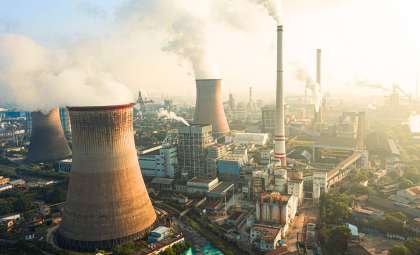
Portland cement, a staple in concrete and soil stabilization, accounts for around 7-8% of global CO2 emissions, according to recent data from the IPCC. Its production entails energy-heavy processes emitting substantial greenhouse gases.

Contrastingly, the Osaka team’s binder bypasses these energy demands. By subjecting a mixture of recycled components—notably construction dust and powdered glass—to moderate heat levels between 110°C and 200°C, they synthesized a geopolymer suitable for stabilizing weak soils. Incorporating Earth Silica enhances structural integrity, with compression test results exceeding 160 kilonewtons per square meter. This strength renders the material fit for foundational uses like roadbeds, building bases, and bridge supports.
Professor Inazumi highlighted the importance of environmental safety. Initial concerns regarding arsenic leaching from the raw materials were successfully addressed by adding calcium hydroxide. "Sustainability must not compromise ecological health," he noted. "Our solution effectively neutralizes these risks."
Designed for Vulnerable Soils and Urgent Situations
A standout feature of the binder is its versatility in diverse conditions. Its rapid setting time makes it an asset in urgent construction or disaster recovery contexts. Additionally, it withstands chemical attacks from sulfates and chlorides, alongside resilience against freeze-thaw damage. This robustness suits cold climates and unstable terrains.
In regions of Japan plagued by clay-rich soils that impede infrastructure development, this cost-effective and less carbon-intensive alternative offers promise. The team envisions applications in rural construction, producing compressed blocks akin to conventional bricks but without undergoing energy-intensive firing processes.
Emerging Opportunities in a Massive Market
The global cement sector stands as one of the largest industries worldwide. In 2024, production topped 4.39 billion metric tons, with China contributing nearly half. Valued near €385 billion last year, the market is forecasted to grow at over 4% annually through 2032.
This extensive footprint offers fertile ground for innovations. The Osaka-based binder aims not to eliminate cement use entirely but to serve as an alternative where environmental or financial factors limit traditional options. Combining strength, speed, and eco-friendliness, it paves the way for infrastructure projects in areas burdened by limited resources.
Transforming Waste into Valuable Resources
Looking beyond construction, Professor Inazumi envisions a paradigm shift. "Creating a geopolymer solidifier from abundant waste streams not only delivers green engineering solutions but also reshapes how industrial byproducts are appreciated in a world with finite resources," he explained.
The findings, published in Cleaner Engineering and Technology, are attracting attention from engineers and urban development professionals aiming to reduce environmental impacts. The research exemplifies a growing trend in materials science—transforming discarded materials into innovative, sustainable resources.
- Categories:
- News









0 comments
Sign in to Comment