
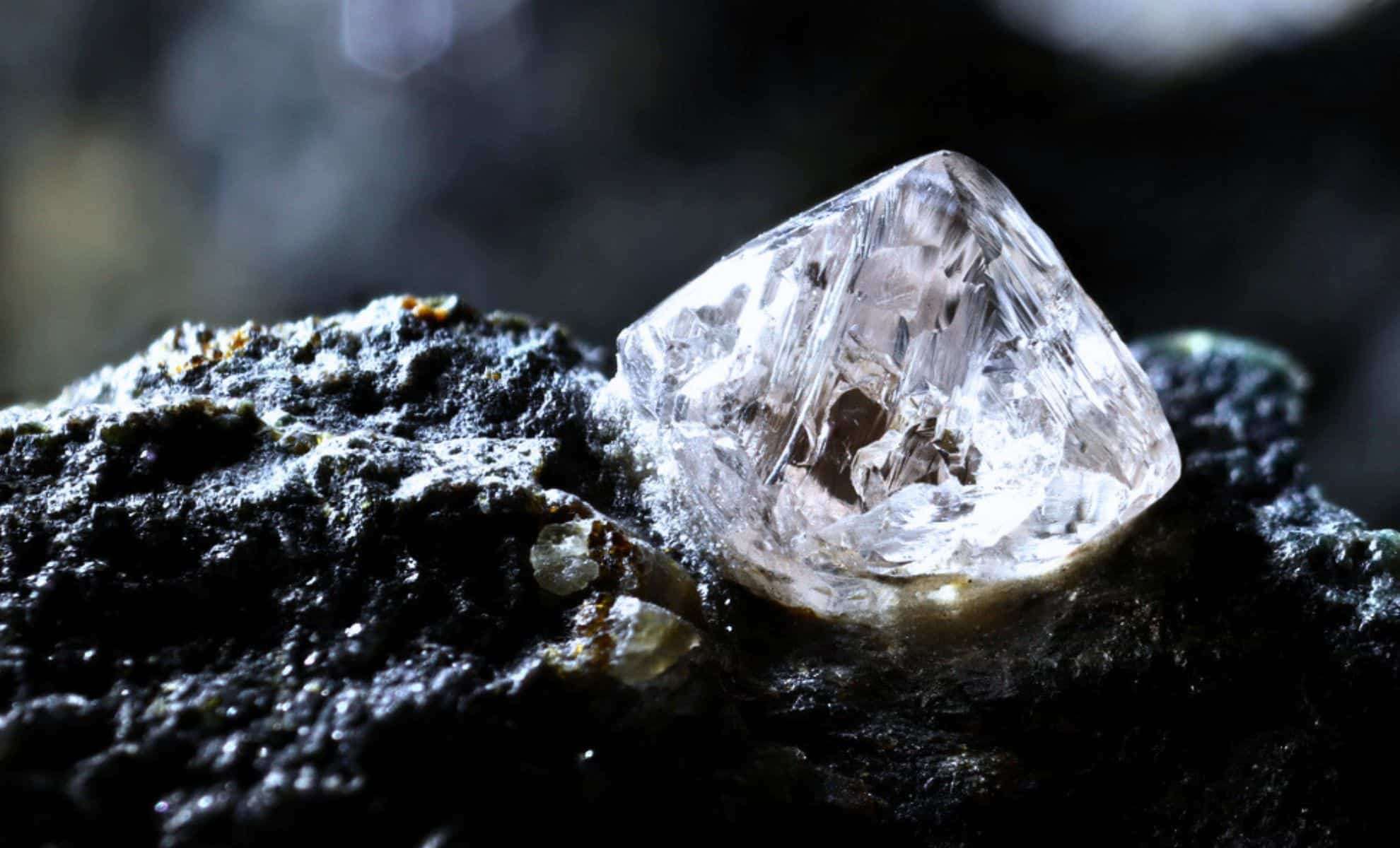
Located in the southwestern region of Arkansas, a unique park captivates both geologists and treasure seekers. Crater of Diamonds State Park, near Murfreesboro, offers the rare opportunity for visitors to hunt for genuine diamonds in their original environment—and retain any stones they discover.
As detailed in the Arkansas Geological Survey official report, over 75,000 diamonds have been found here since the 1906 discovery. Nowadays, this 37-acre field attracts enthusiasts worldwide, merging tourism with hands-on geological exploration unlike any commercial mining operation.
A Public Diamond Treasure Trove
Contrary to most diamond sources buried deep within the Earth’s crust, these gems were thrust to the surface by a powerful volcanic eruption approximately 95 million years ago. The eruption formed a volcanic pipe packed with diamond-laden rock called lamproite. Erosion and farming have since brought these diamonds to the surface, allowing anyone ready to dig or sift the soil to find them.

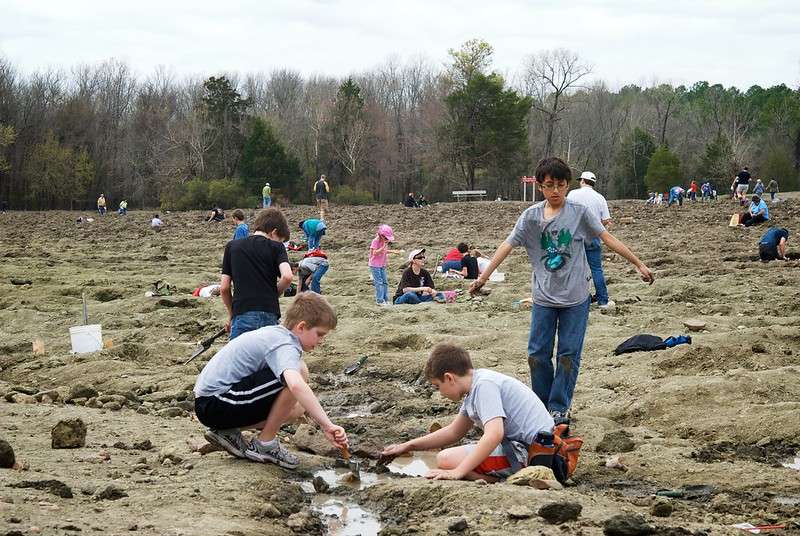
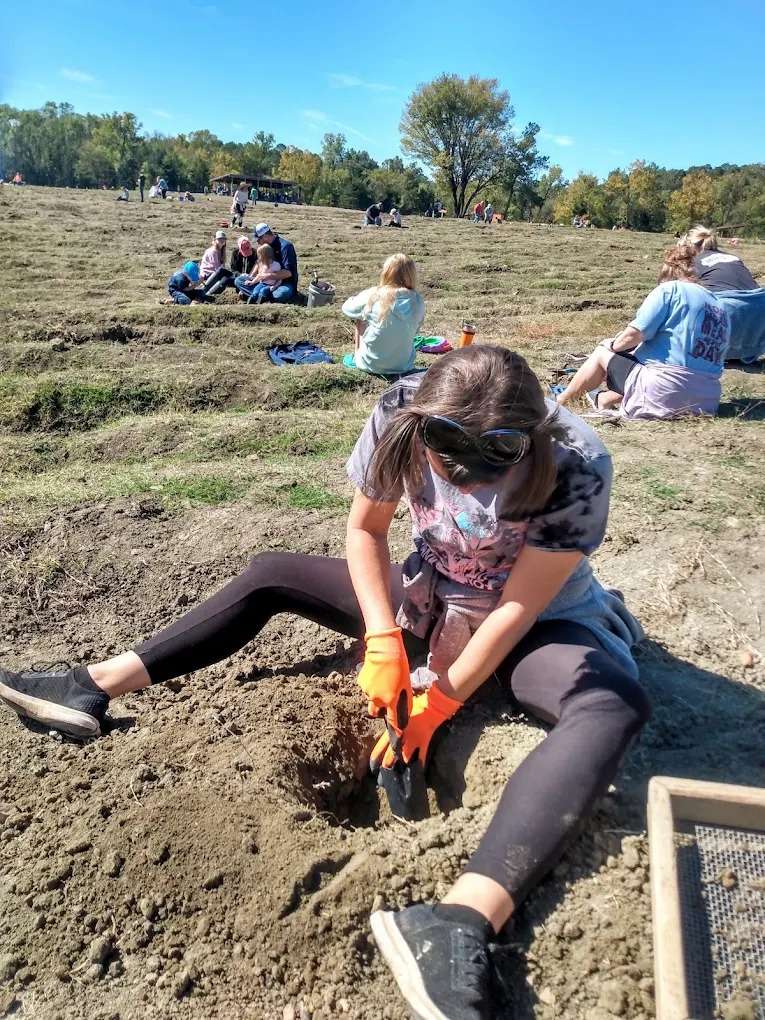
The state acquired this land in 1972, transforming it into a public park with affordable admission. No special permissions are necessary. Visitors use simple tools like shovels, buckets, and screens to dig, aided by park staff who offer guidance and gem verification services. The principle: whatever you find, you keep.
Historic Finds That Captivate
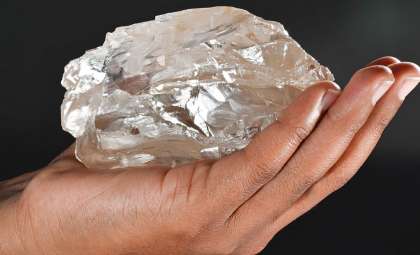
The park’s legacy boasts some remarkable gemstones. Chief among these is the “Uncle Sam” diamond, a 40.23-carat white diamond uncovered in 1924—still the largest ever found in the U.S. Later, the 16.37-carat Amarillo Starlight emerged in 1975, followed by the 8.52-carat Esperanza diamond in 2015.
On average, visitors uncover multiple diamonds daily, ranging from tiny fragments to sizeable rocks suitable for jewelry. The Arkansas State Parks website notes that about 10% of visitors leave with a gem, mostly smaller but always authentic. Colors span from clear and brown to occasional yellows.
“Holding a diamond connects you to a history and geology that stretches back millions of years,” shared Tommie James, a retired park geologist, at the time of the Esperanza find. “It’s about more than luck — it’s about experiencing a timeless story told by the land itself.”
Techniques and Diverse Minerals
Visitors mainly employ three digging approaches: surface searching, dry sifting, and wet sifting. After rains, surface hunting proves particularly productive as water reveals polished stones by washing away loose soil. Sifting aids in concentrating heavier minerals—including diamonds, agates, and garnets—to increase chances of discovery.
The park’s soil also yields a variety of other minerals: amethyst, peridot, garnet, jasper, and quartz crystals can be found. These minerals illustrate the violent volcanic activity that transported mantle materials upward. For many amateur rock collectors, these fascinating minerals are a prized bonus alongside diamonds.
Blending Science, Recreation, and History
What distinguishes Crater of Diamonds is its openness. Unlike conventional diamond mining—which often involves heavy machinery, deep excavation, and corporate restrictions—this park emphasizes a personal, immersive experience. Families dig side by side for hours, veterans search methodically, and beginners often stumble upon diamonds just by strolling through the field.
Attracting around 200,000 visitors annually, the park is a unique fusion of scientific inquiry and recreational adventure. Geologists continue to examine its distinctive volcanic features, with researchers at the University of Arkansas publishing studies on the lamproite formations in the Journal of Petrology.
Ultimately, the allure remains straightforward: a chance to dig in a field and perhaps walk away with a genuine diamond. This rare mix of geology, history, and personal discovery elevates Crater of Diamonds into a truly remarkable destination.
- Categories:
- News











0 comments
Sign in to Comment