
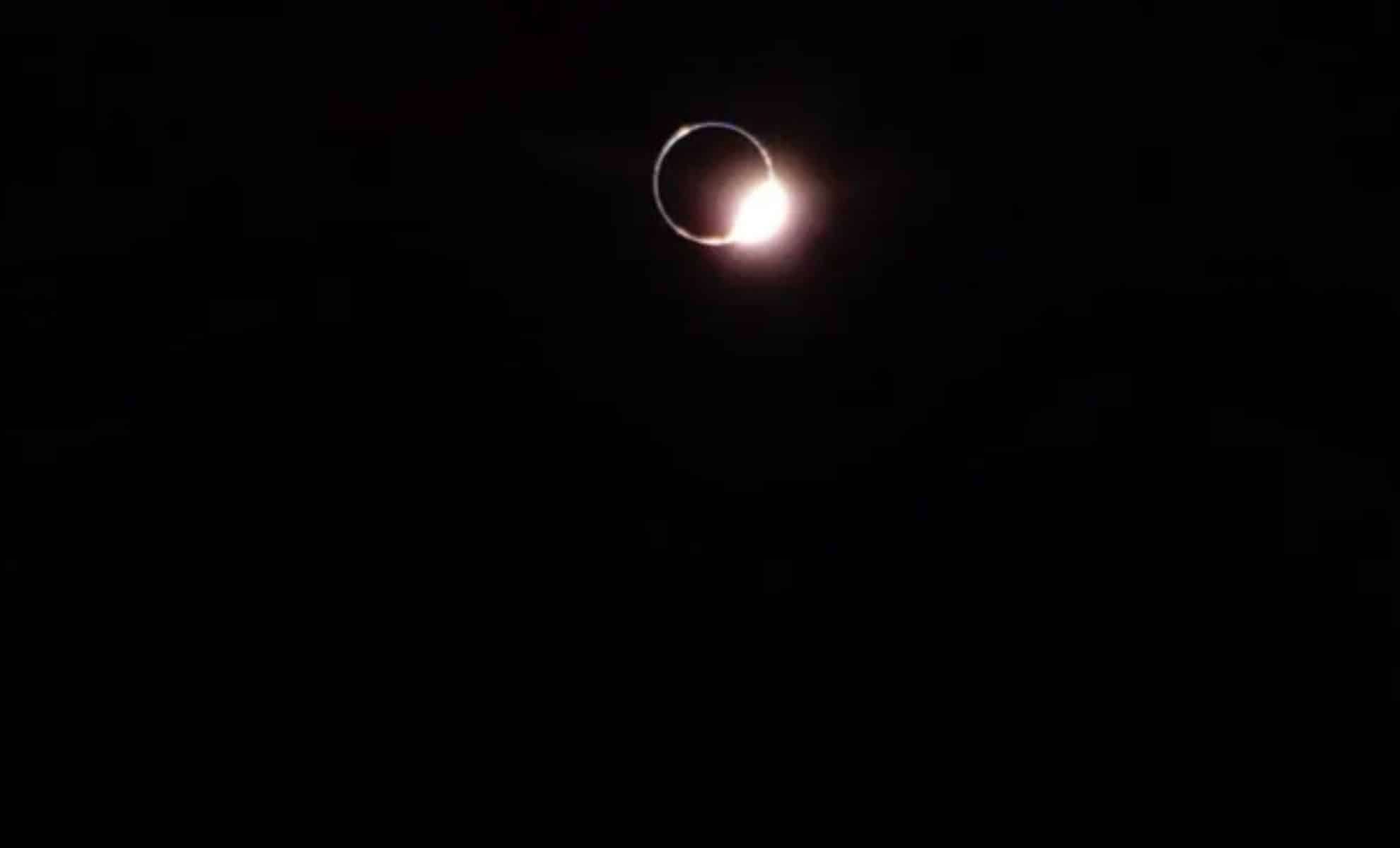
In an unprecedented achievement, a privately operated lunar lander has snapped remarkable images of a total eclipse right from the Moon’s surface. Firefly Aerospace’s Blue Ghost, which successfully landed in Mare Crisium on March 2, 2025, recently transmitted stunning visuals of the unique “diamond ring” eclipse—a captivating phenomenon that occurs as the Sun shines past Earth, creating a glowing ring of light visible from the lunar vantage point.
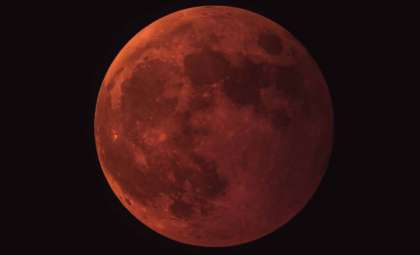
As detailed by Space.com, Blue Ghost witnessed this spectacular event during the total lunar eclipse on March 14, 2025. This happened as Earth positioned itself between the Sun and the Moon, casting its shadow across the Moon’s landscape. While Earth observers saw a striking “Blood Moon,” Blue Ghost experienced a reversed perspective—a solar eclipse where Earth obscured the Sun.
Understanding the Diamond Ring Phenomenon
The diamond ring effect is a famous astronomical spectacle typically observed during total solar eclipses on Earth. It arises when sunlight streams through the Moon’s mountainous terrain just before or after totality, resulting in a dazzling burst that resembles a shining diamond atop a luminous ring.

Seen from Blue Ghost’s lunar perspective, the event was inverted. Instead of the Moon concealing the Sun, Earth itself eclipsed it, producing a similarly spectacular diamond ring display in the lunar sky. This unique viewpoint offers an extraordinary chance to observe this effect from an entirely new vantage.
How Blue Ghost Documented the Eclipse
On the morning of March 14, 2025, Blue Ghost’s instruments and cameras captured the total lunar eclipse from the surface of the Moon. Around 4:30 a.m. EDT (0830 GMT), Earth’s shadow fully covered the Moon, casting deep darkness over the terrain.
Throughout the event, Blue Ghost snapped images showing Earth gradually shifting away from the Sun’s alignment, generating the radiant diamond ring effect. The lander’s onboard imaging technology offered clear views of the solar corona peeking around Earth’s edges, forming a brilliant halo glowing against the backdrop of the dark lunar sky.
Significance of Observing Eclipses from the Moon
Recording eclipses from the Moon opens exciting possibilities for extraterrestrial astronomy. Unlike Earth-based observations, which can be hindered by atmospheric interference, lunar vantage points allow celestial events to be studied with incredible sharpness and clarity.
These observations also enrich scientific knowledge about how solar radiation interacts with planets and their atmospheres. Viewing eclipses from the Moon helps scientists analyze Earth’s atmosphere, since refracted sunlight surrounding the planet reveals crucial atmospheric characteristics.
The Impact of Private Space Ventures on Lunar Exploration
The achievement of Blue Ghost in capturing this eclipse highlights the expanding role of private industry in exploring the Moon. Historically, lunar observations have been the domain of national space agencies like NASA, Roscosmos, and CNSA. Today, with commercial enterprises conducting lunar missions, new doors open for scientific breakthroughs and sustained exploration.
Blue Ghost operates under NASA’s Commercial Lunar Payload Services (CLPS) program, which promotes private sector involvement in advancing lunar science and engineering. The mission’s data and photos will inform upcoming projects involving Moon research, manned missions, and permanent lunar base development.
Future Plans for Blue Ghost
Following its landmark landing and eclipse documentation, Blue Ghost will continue its mission as long as its equipment remains operational. The spacecraft carries an array of scientific tools aimed to:
- Examine the chemical makeup of lunar soil
- Monitor radiation levels on the surface
- Test innovative technologies for future lunar expeditions
This mission also sets the stage for further Firefly Aerospace lunar endeavors, including resource prospecting efforts that could support the establishment of a permanent human foothold on the Moon.
- Categories:
- News







0 comments
Sign in to Comment