
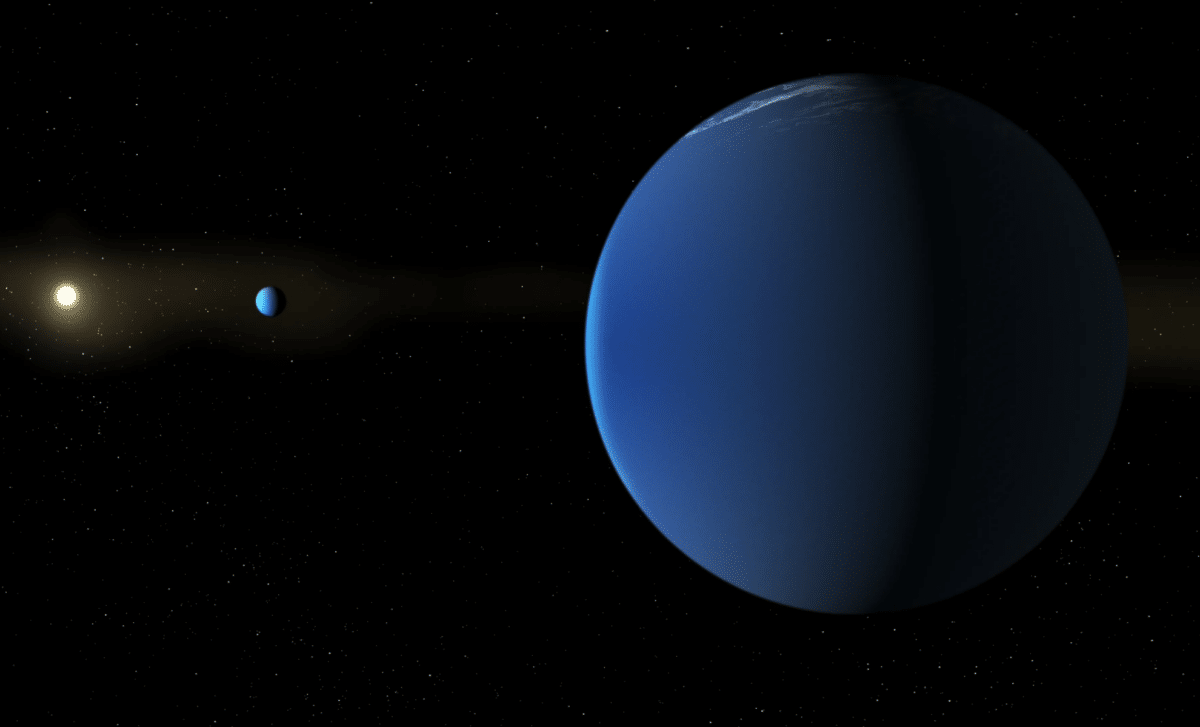
New findings are prompting astronomers to reconsider the definition of a planet.
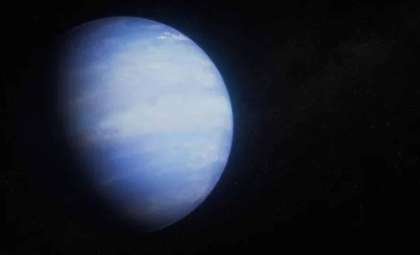
Recent studies have uncovered two gas giants with strikingly low densities and inflated atmospheres, making them appear more like ethereal clouds than conventional planets. Published in the Monthly Notices of the Royal Astronomical Society, this discovery highlights an extraordinary and uncommon type of planet known as “super-puff” planets, which are much larger in radius than Jupiter but surprisingly lightweight. Their extraordinary characteristics place them among the most enigmatic celestial bodies found outside our solar system. Researchers believe this planetary pair could provide vital insights into planetary formation, evolution, and long-term survival.
Unprecedented Duo Challenges Planetary Norms
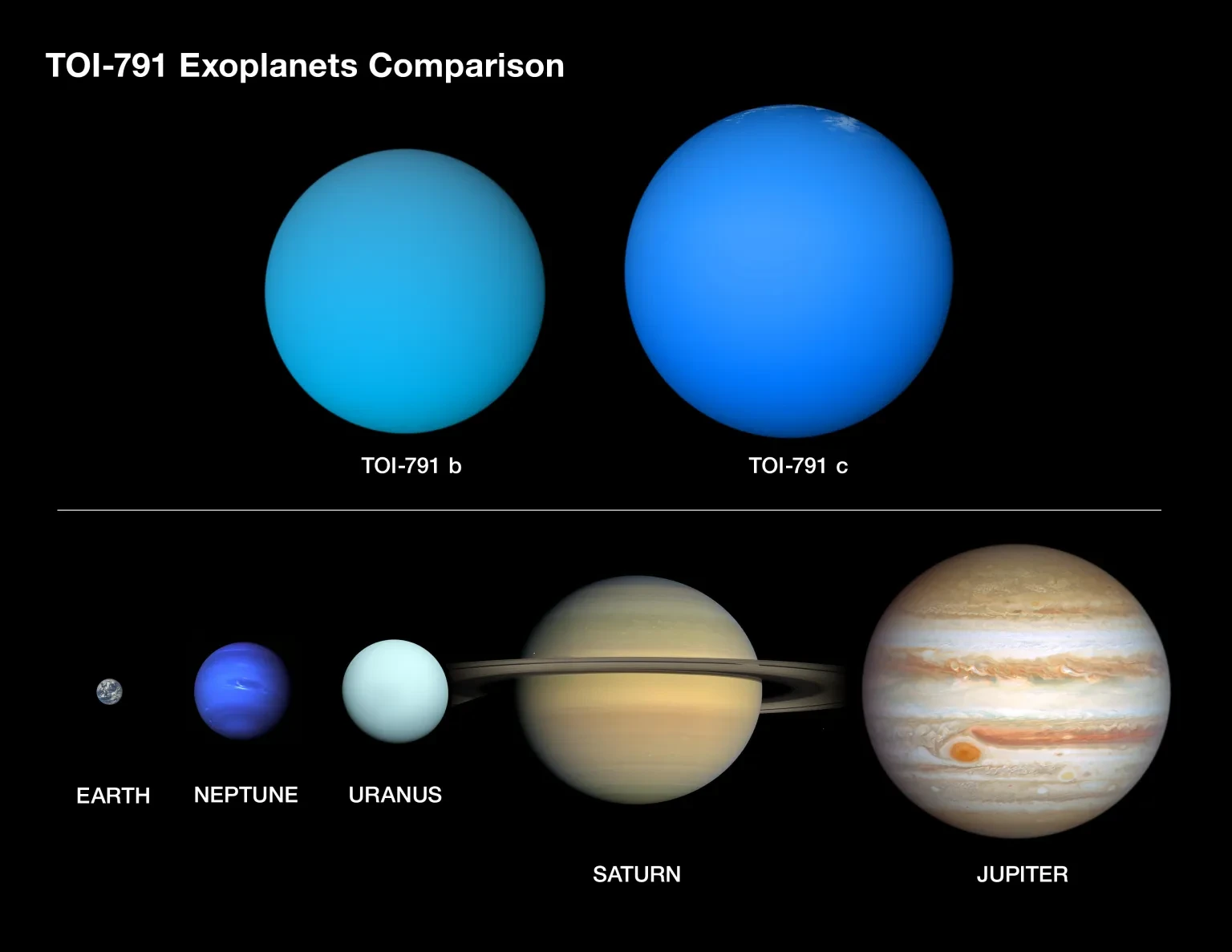
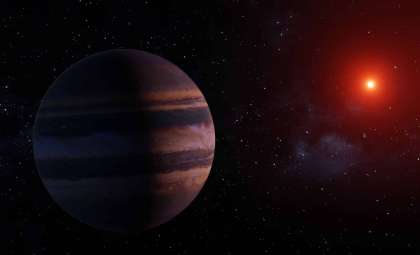
The system is remarkable because it hosts not one, but two such ultra-low-density planets orbiting a single star. As detailed in the Monthly Notices of the Royal Astronomical Society, this arrangement is exceptionally rare among known exoplanets, where super-puff types are already a scarce class. These planets are similar in size to gas giants yet possess densities so minimal that they seem more like giant bubbles than compact spheres.
Scientists categorize them as an extreme case that tests the boundaries of current planetary physics. Their markedly expanded atmospheres imply mechanisms that prevent gravitational collapse. Although they boast tremendous physical dimensions, their mass remains extremely low, posing a significant puzzle to prevailing planet formation theories. The presence of two such planets together intensifies the intrigue, suggesting they emerged under uncommon, shared circumstances.

"Only a small number of these super-puff planets have been discovered, and finding two within one system is extraordinarily rare," said George Dransfield from Oxford University, the lead researcher. "Their remarkably low densities make them compelling subjects for investigating planetary system origins and development."
A Prime Site for Studying Extreme Planetary Atmospheres
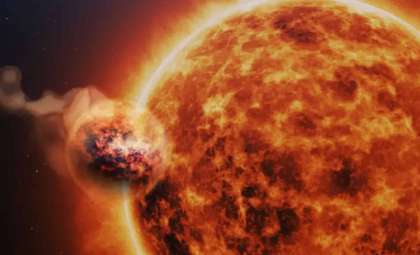
This planetary system could serve as a unique case study for exploring how gas giants behave under unusual atmospheric circumstances. The oversized atmospheres hint at influences from powerful stellar radiation, internal heating, or distinct chemical properties that help maintain their expanded states.
Experts are especially eager to analyze these atmospheres’ composition and understand how they hold onto such substantial gas volumes. Contradicting standard theory, planets of this scale would either be far denser or lose much of their gaseous layers over time. Instead, these super-puff planets remain enlarged and tenuous, challenging current ideas about atmospheric durability across cosmic timelines.
“This system offers a unique laboratory for understanding how super-puff planets form and evolve,” team member Amaury Triaud of the University of Birmingham said in the statement. “We propose to carry out space-based observations using the James Webb Space Telescope to assess if the puffy atmosphere contains carbon, nitrogen, and oxygen-bearing species, revealing new insight into how these unusual planets formed.”
Should upcoming studies confirm complex chemical signatures in these atmospheres, it could revolutionize how we perceive the behavior of volatile elements in extreme exoplanet conditions. Presently, this system serves as a prime example illustrating the vast and surprising diversity of planetary types in the universe.
Implications for Rewriting Planet Formation Models
Beyond their extraordinary appearance, these planets might transform scientific understanding of how planets develop. If super-puff planets turn out to be more prevalent than thought, it could indicate that planetary formation processes are far more versatile than the current frameworks suggest.
At present, this system stands as a rare natural experiment: two featherweight giants orbiting in tandem, quietly challenging established assumptions formed over decades of exoplanet exploration.
- Categories:
- News




0 comments
Sign in to Comment