
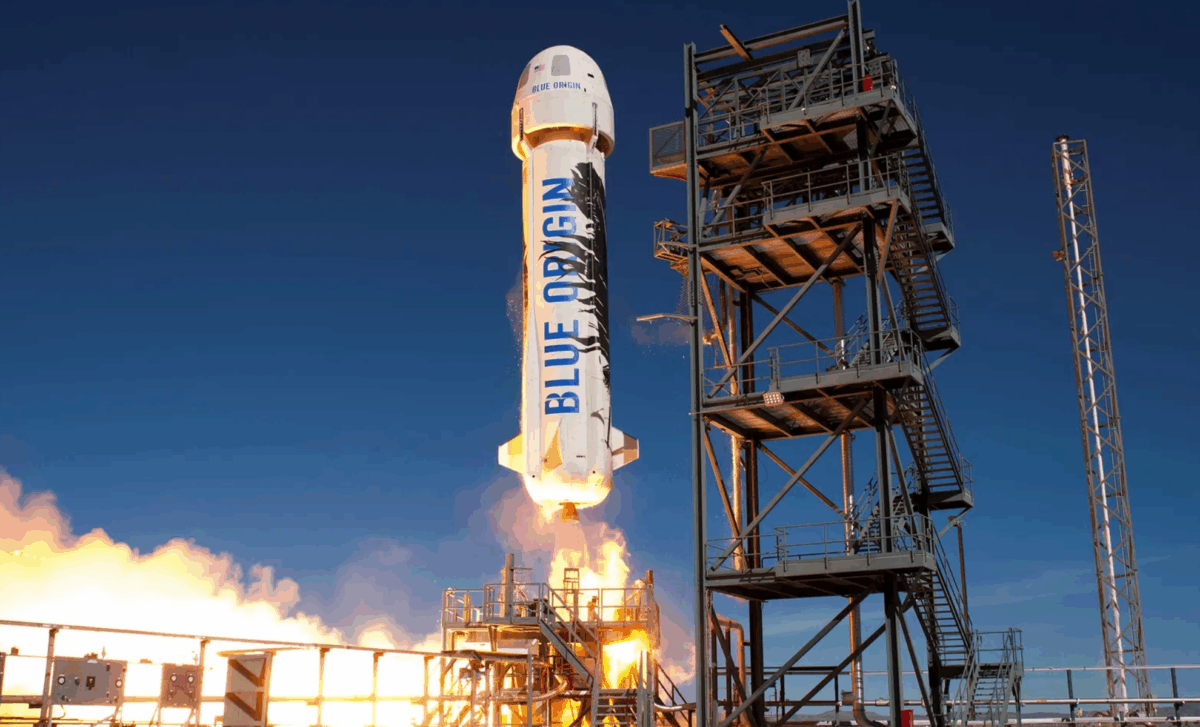
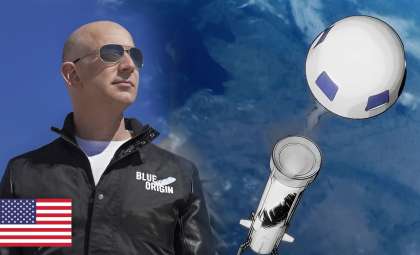
On October 8, 2025, Blue Origin embarked on its 15th space tourism expedition, sending the NS-36 crew aboard its reusable New Shepard rocket. This mission aims to carry its passengers slightly past the Kármán line, the internationally recognized boundary of space. Highlighted by Space.com, the flight showcases a diverse passenger lineup, emphasizing the expanding demand for commercial space travel.
Expanding Horizons in Space Tourism
The sector of space tourism has shifted from science fiction to a growing marketplace over recent decades. Companies like Blue Origin, SpaceX, and Virgin Galactic have played key roles in making space journeys accessible to non-professional travelers. Increasingly frequent missions such as NS-36 underscore how the landscape of space tourism has broadened. Earlier efforts were limited to a few notable figures including William Shatner and Michael Strahan, but today's participants come from varied sectors, encompassing entrepreneurs and individuals eager to experience weightlessness.
With the NS-36 flight, Blue Origin aims not only to offer space access to affluent passengers but also to pave the way for a more inclusive space tourism market. This mission represents progress toward dependable, recurring spaceflights operating similarly to commercial airplane services, thereby normalizing space trips beyond exceptional occasions.

Technology Powering New Shepard
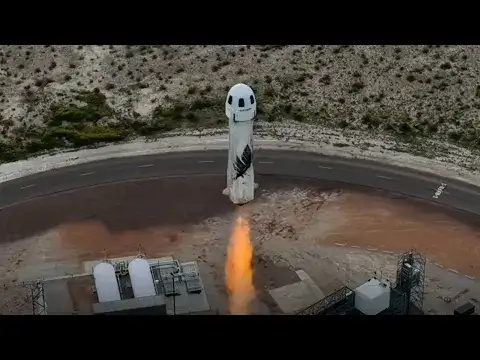
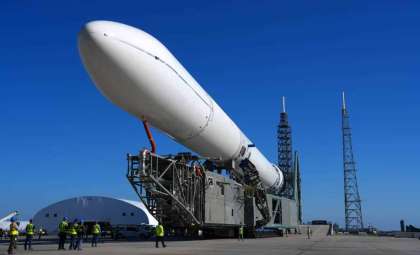
New Shepard, Blue Origin’s suborbital vehicle, transports travelers approximately 62 miles (100 kilometers) above Earth’s surface. This suborbital journey offers passengers brief weightlessness but does not complete an orbital circle around the planet. The rocket-capsule system functions autonomously without a pilot, showcasing advanced capabilities of modern spaceflight.
Central to New Shepard’s design is its reusability, which dramatically cuts down the cost associated with sending people to space. Blue Origin continuously tests and improves the vehicle as it reuses the rocket multiple times, a key difference from earlier space tourism initiatives that relied on single-use spacecraft. Powered by a liquid hydrogen and oxygen engine, the rocket’s first stage propels the capsule, which shields and supports the passengers during their short space experience.
A Varied Team of Space Travelers
The crew of the NS-36 flight represents a broad spectrum of professions, illustrating the widespread enthusiasm for space tourism. This group includes Jeff Elgin, a franchise business leader; Danna Karagussova, a media entrepreneur; Clint Kelly III, an electrical engineer and robotics expert; Aaron Newman, a software business owner; Vitalii Ostrovsky, a Ukrainian entrepreneur; and one unidentified traveler. They will all share the experience of crossing beyond the Kármán line and the weightlessness that follows.
These passengers are more than casual travelers; they embody a growing community driven by curiosity, professional engagement, and the desire to experience a rare adventure not accessible to most people. What was once a luxury now attracts a diverse array of space enthusiasts intrigued by humanity’s expanding frontier.
Commercial Dynamics of Spaceflight
Blue Origin’s orbit-reaching tourism ventures serve not only as unique experiences but also as strategic business endeavors. The commercial space sector is thriving, with competitors like SpaceX and Virgin Galactic vying for market share. Blue Origin distinguishes itself through its focus on efficient suborbital travel. Although ticket prices for New Shepard flights remain undisclosed, prior estimates point to costs in the hundreds of thousands of dollars.
Looking ahead, the demand for space tourism is poised to grow as innovation reduces expenses. Success by Blue Origin and its competitors could accelerate the shift of space tourism from a rare privilege to a widespread activity. Private citizens motivated by exploration, recreation, or scientific interest will continue to broaden the possibilities in the coming years.
The Role of Reusable Rockets in Future Exploration
One of the biggest hurdles in space exploration is lowering launch costs through vehicle reusability. Blue Origin’s New Shepard vehicle exemplifies this approach by returning safely to Earth, undergoing refurbishment, and relaunching. This contrasts with historic missions that required brand-new spacecraft for every launch.
The ability to reuse rockets not only makes space tourism more affordable but also supports future endeavors such as lunar or Martian missions. Blue Origin’s innovations in autonomous landing and turnaround lay the foundation for a new era in which multiple launches and landings form routine operations, potentially enabling interplanetary travel in the future.
- Categories:
- News





0 comments
Sign in to Comment