
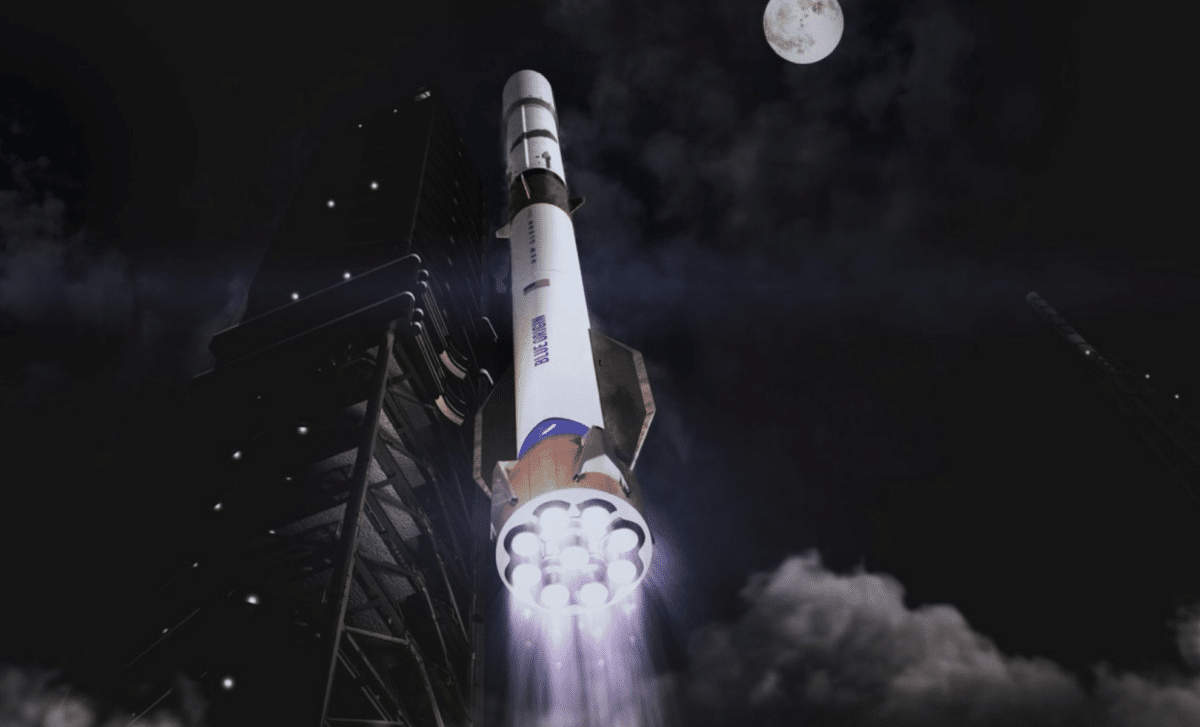
Blue Origin, a frontrunner in commercial spaceflight, continues to advance its plans for Moon landings and beyond. Building on the triumph of the NG-2 mission, the company has introduced innovative systems such as a robotic lunar lander alongside the robust New Glenn launch vehicle.
Introducing the Blue Moon Mk1: Blue Origin’s Robotic Lunar Lander
In a recent update shared on NASASpaceFlight (NSF), Blue Origin revealed the Blue Moon Mk1 lander, scheduled for deployment in 2026. This uncrewed robotic vehicle is designed to deliver more than 3,000 kg of supplies to the lunar surface, supporting NASA’s Artemis exploration goals. Equipped with the advanced BE-7 engine, which can adjust thrust up to 44,000 newtons, Mk1 will play a crucial role in demonstrating technologies essential for upcoming crewed missions.
Its initial mission targets Shackleton Crater near the Moon’s south pole, a region believed to hold water ice resources. This flight will evaluate propulsion and onboard systems, providing critical insights for future lunar operations. Blue Origin aims for pinpoint landings within 100 meters of designated targets, with the Mk1 serving as a foundation for the crewed Blue Moon Mk2 missions.

New Glenn 9×4: Expanding Blue Origin’s Launch Capability
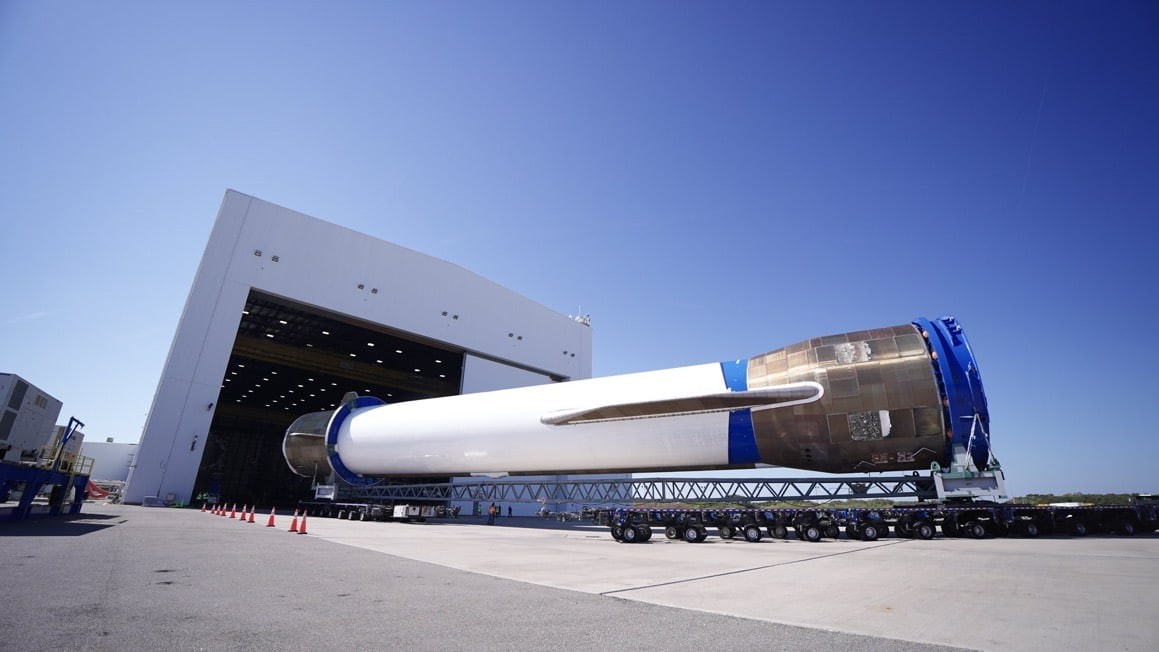
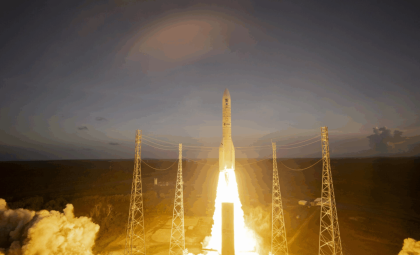
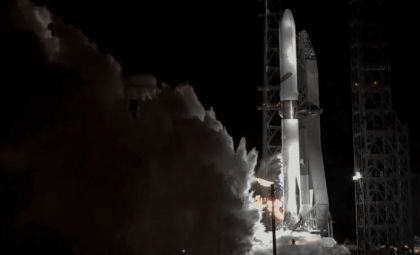
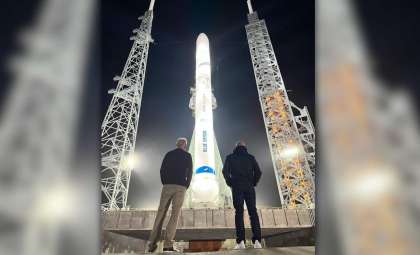
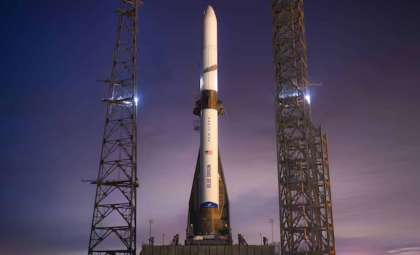
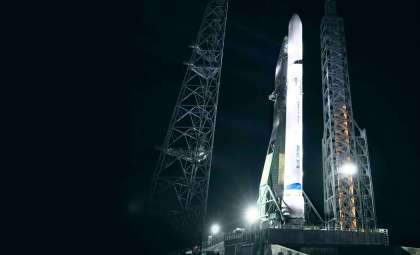
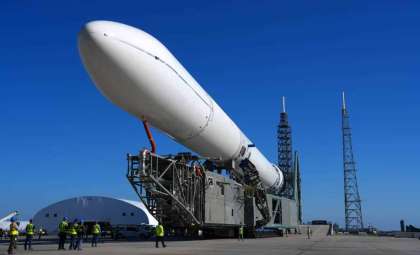
The spotlight also shines on Blue Origin’s new New Glenn 9×4 heavy-lift rocket, planned for its maiden launch by 2027. Featuring nine BE-4 engines on the first stage and four BE-3U engines powering the second stage, this rocket will greatly enhance payload capacity, enabling delivery of more than 70,000 kg to low Earth orbit—significantly surpassing the previous 7×2 variant’s 45,000 kg limit.
The vehicle’s 8.7-meter-wide fairing allows accommodation of larger cargo, making it suitable for ambitious missions. The New Glenn 9×4 is expected to complement the existing 7×2 model, focusing on heavy payload deployments with increased launch frequency in the near future, as highlighted in the NASASpaceFlight coverage.
Blue Ring: Advancing Space Situational Awareness
Among Blue Origin’s latest innovations is the Blue Ring spacecraft, designed to bolster tracking and monitoring of orbital assets. Originally developed for the U.S. Space Force, Blue Ring houses the Caracal optical payload for imaging and tracking other satellites, enhancing safety as orbital congestion grows. It also integrates the Owl sensor from Scout Space, enabling autonomous observational capabilities.
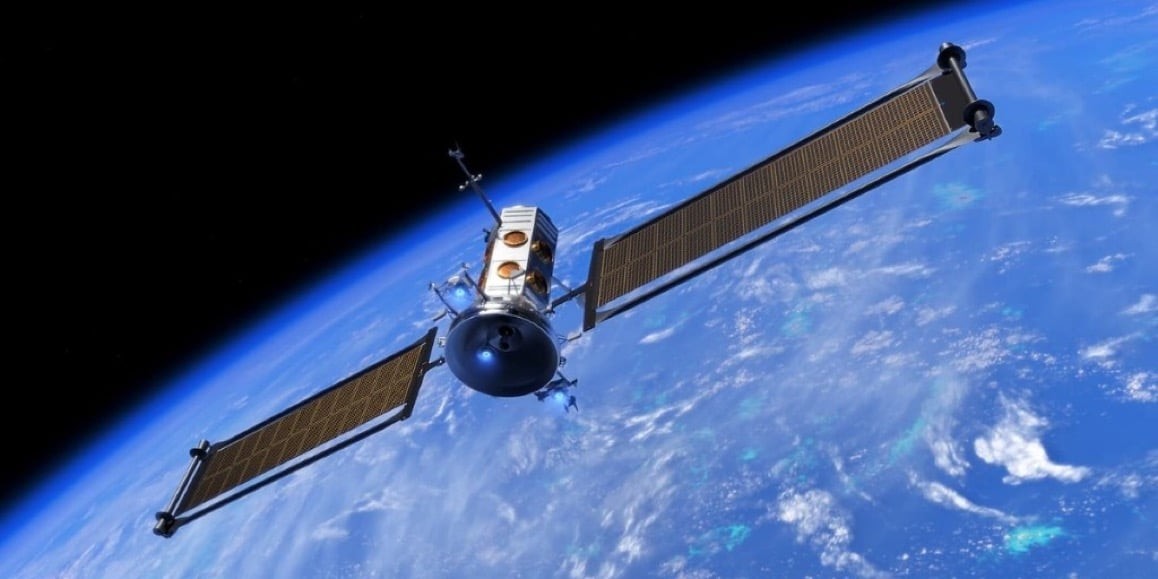
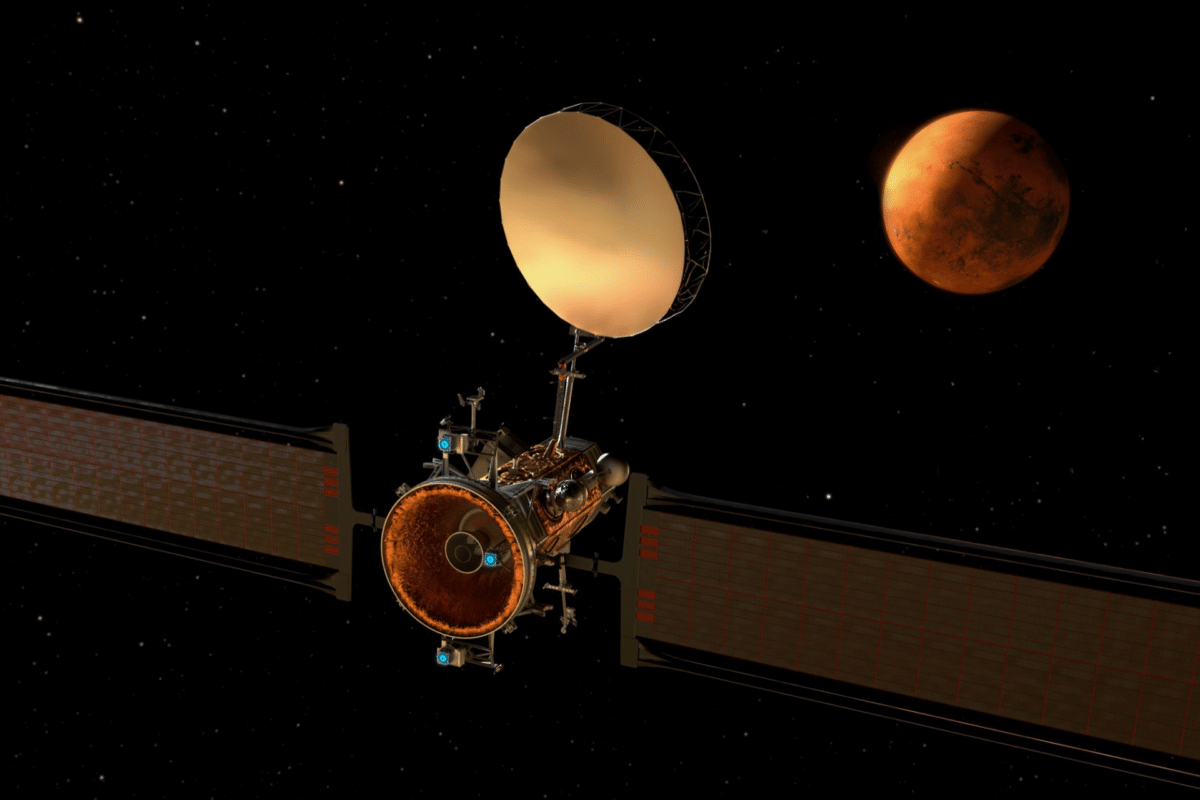
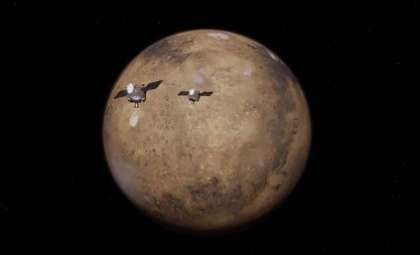
Capable of carrying over 4,000 kg in payloads and equipped with chemical and electric propulsion, Blue Ring is versatile for missions spanning Earth orbit, cislunar space, and planetary journeys, including Blue Origin’s Mars Telecommunications Orbiter concept.
Transforming Planetary Entry with the Deployable Aerobrake
Among less publicized but highly impactful technologies is Blue Origin’s deployable aerobrake, engineered to decelerate spacecraft by exploiting atmospheric drag. Designed to support vehicles weighing up to 9,000 kg, it offers a larger mass capacity than conventional aeroshell systems, potentially revolutionizing Mars mission architectures.
By using atmospheric friction for slowing down during planetary arrivals, this aerobrake reduces fuel needs, lowering costs and enabling more complex mission profiles. This breakthrough could significantly diminish reliance on traditional propulsion for orbit insertion, opening new avenues for interplanetary exploration.
- Categories:
- Space





0 comments
Sign in to Comment