
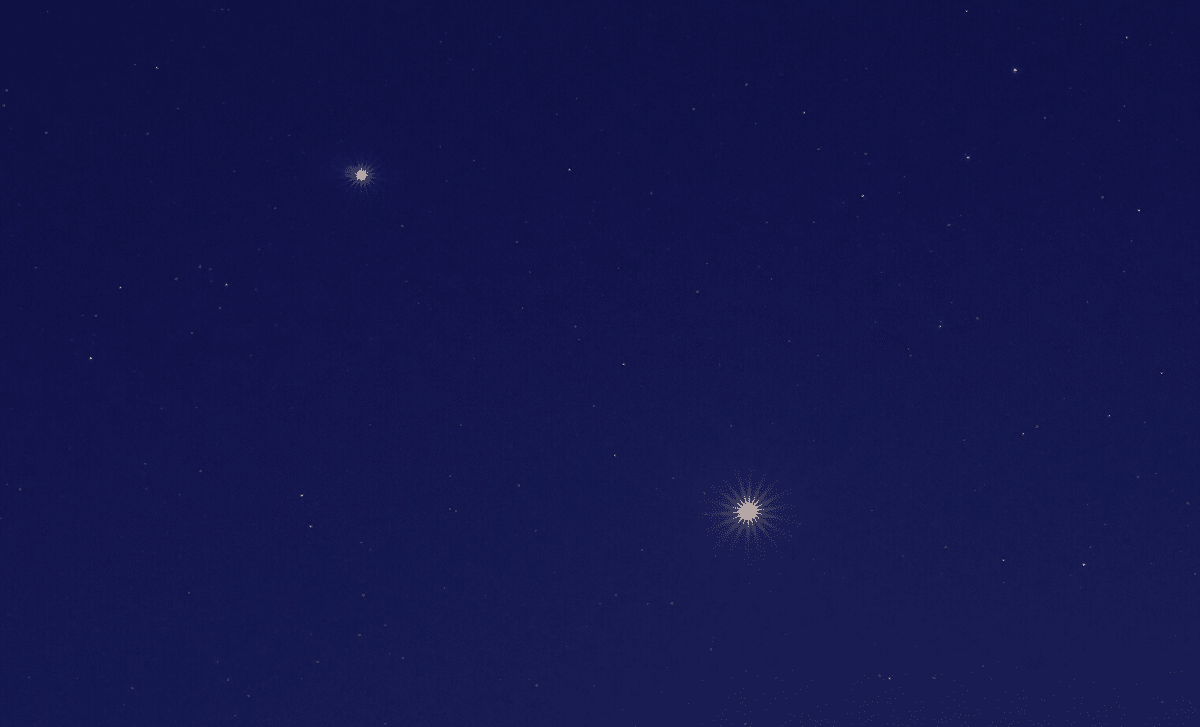
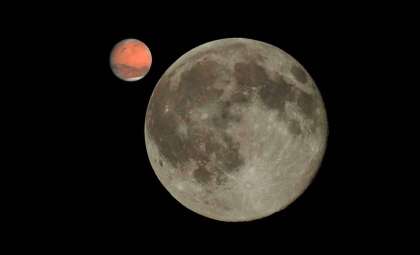
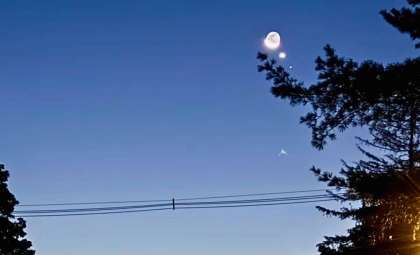
On the morning of November 25, 2025, sky enthusiasts can witness a rare celestial event featuring Mercury and Venus, two of the nearest planets to the Sun, shining side by side. This fleeting pairing offers a spectacular sight for early morning observers and a chance for those who find Mercury elusive to spot it with Venus in close proximity.
Understanding Conjunctions and Their Significance
A conjunction happens when two planetary bodies appear near each other in the sky from Earth's perspective. The upcoming Mercury-Venus conjunction is especially notable since both planets are challenging to view. Mercury often remains hidden due to the Sun's overwhelming glare, but this event provides a rare opportunity to see both planets together.
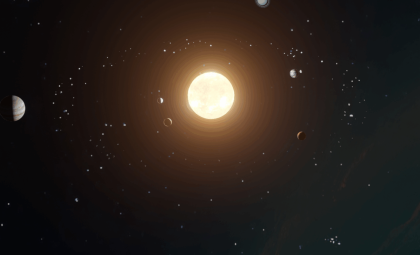
This occasion showcases the intricate orbital movements within our solar system. Mercury, the swiftest planet in our system, completes an orbit around the Sun in just 88 days, while Venus progresses more gradually yet shines much more brightly. Their close approach in the pre-dawn sky will offer an impressive celestial display.

Tips for Observing the Rare Planetary Pair
For the best experience, observers should look towards the east-southeast horizon before sunrise on November 25. The planets will be low, so finding an open view without obstructions like trees or buildings is essential. Arriving early increases chances of catching the event before the sky brightens.
Venus will be significantly brighter, with a magnitude of -3.8 compared to Mercury's -2, making it the dominant "Morning Star." Despite its lesser brightness, Mercury’s presence near Venus creates a beautiful contrast, making this conjunction a must-see for anyone interested in astronomy.
The Unique Importance of This Planetary Meeting
This conjunction stands out because it coincides with a special phase in the orbits of Mercury and Venus. As noted by LiveScience, Mercury will be climbing higher while Venus gradually descends toward the horizon. This will be among the last opportunities to see Venus shining so brightly in the morning before its superior conjunction early next year, when it will align directly between the Earth and the Sun.
After this event, Venus will transition to the evening sky later in 2026. Mercury will reach its greatest western elongation on December 7, 2025, allowing another chance to spot it just before dawn. Nonetheless, the November 25 conjunction promises an unforgettable celestial moment as these two planets grace the same patch of sky.
- Categories:
- News


0 comments
Sign in to Comment