
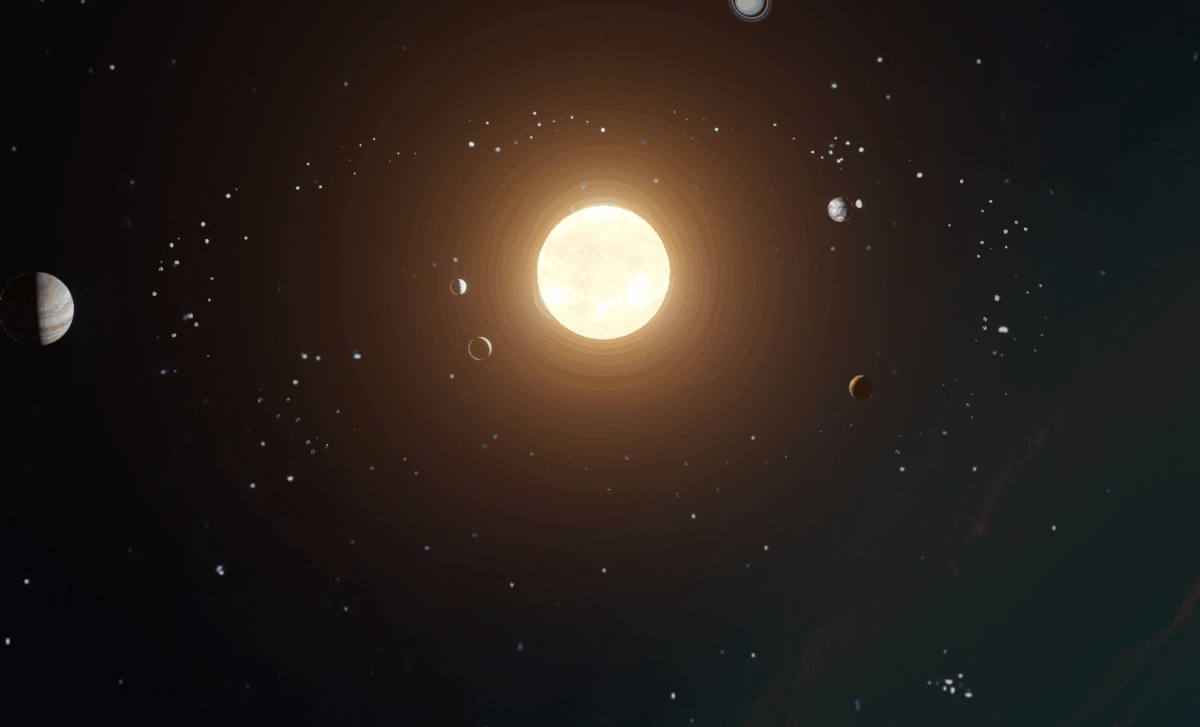
As nightfall stretches longer across the Northern Hemisphere in November, sky enthusiasts are presented with exciting opportunities to observe the planets. From fleeting glimpses of Mercury to the shining presence of Jupiter, the celestial showcase gradually unfolds during evening and morning hours. Visibility depends on your location, with some planets best viewed through binoculars or telescopes. A recent Space.com article explains precisely when and where you can catch these planetary highlights this month.
Tracking Planetary Movements Throughout November
Planet appearances shift continuously, changing with each passing week and horizon. Space.com offers a detailed overview for November, highlighting the best times to see the planets visible without aid. The two smallest planets, Mercury and Mars, briefly emerge near the southwest horizon during early evenings but are mostly visible to observers south of 30°N latitude and often need optical tools for a clearer view.
Meanwhile, Venus presents a subtle glow in the pre-dawn hours. Early November sees it rising about 90 minutes before sunrise, glowing close to the bright star Spica. As the month progresses, Venus sinks deeper into dawn’s light, making it harder to see without binoculars. The giant planets Saturn and Jupiter dominate the night — Saturn in Aquarius displays increasingly narrow rings, while Jupiter shines brighter in Gemini, reaching peak height before dawn. Its close passage near Pollux and encounters with the Moon create striking views for photographers and star lovers alike.

Venus: The Morning Star’s Subtle Performance
Known as the “morning star,” Venus captivates with its brightness, but this November sees it delicately navigating the dawn sky. On November 3, early risers can observe Venus glowing south of due east, near Spica. Despite their proximity, Venus shines approximately 85 times brighter than Spica, creating a striking contrast. However, it quickly descends lower each morning, fading from naked-eye view.
By mid-November, Venus rises less than an hour before the Sun, blending into the morning twilight. A special highlight comes on November 18 when a very thin crescent Moon, only 3% illuminated, appears just above Venus along the east-southeast horizon. Clear skies and binoculars enhance this delicate conjunction, offering a poetic glimpse into planetary choreography that rewards those who rise early.
Saturn’s Narrowing Rings and Evening Visibility
Saturn slowly moves closer to the western horizon but remains visible in the early evenings. Shining at magnitude +0.9, it outshines nearly all nearby stars—even against the faint backdrop of the Circlet of Pisces. The most captivating aspect this month is the diminishing tilt of Saturn’s rings, which shrink to just 0.4° by November 30, making them appear as a fine silver band across the planet’s disk.
This ring orientation shift is part of a longer viewing cycle that began in summer. Two lunar pairings, on November 1 and November 29, offer excellent opportunities to spot Saturn near the Moon, about 5° apart in the southeastern sky just after dusk. With telescopes providing 30x magnification or higher, observers can explore not only the rings’ subtle changes but also Saturn’s moons in sharp detail, making it a rewarding target for amateur astronomers.
Jupiter Shines Brightly in Gemini
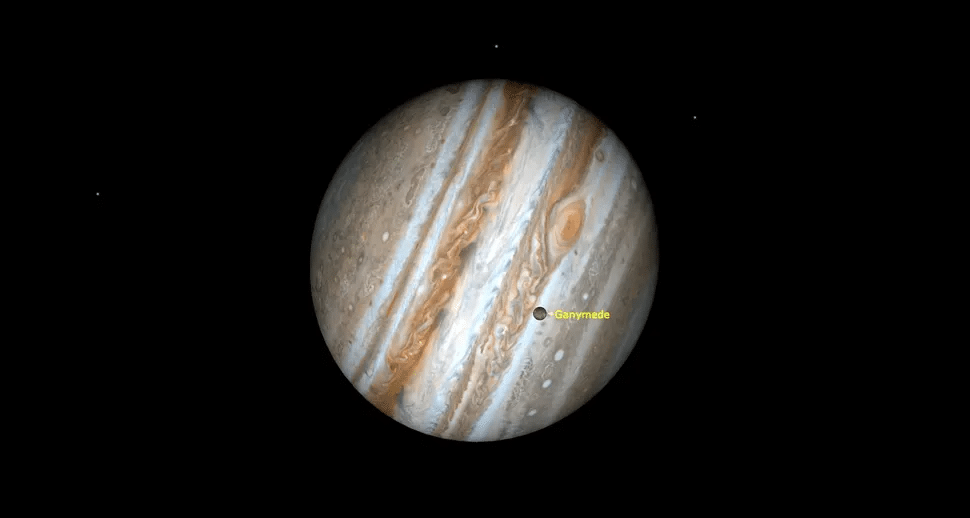
Jupiter dominates the November sky, visible to the naked eye without effort. Rising progressively earlier—from around 10:40 p.m. at the start of November to 7:40 p.m. at month’s end—it serves as a prominent feature within the constellation Gemini. Its brightness increases from magnitude -2.3 to -2.5, and it halts its eastward movement on November 11, remaining near the star Pollux.
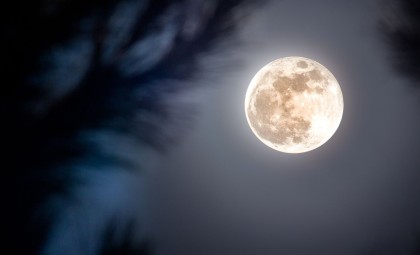
During the overnight hours of November 9-10, stargazers can witness a waning gibbous Moon positioned roughly halfway between Jupiter and Pollux. Through telescopes, Jupiter’s cloud belts and moon shadows create dynamic sights, sometimes alongside the iconic Great Red Spot and multiple moon shadows at once. For those in mid-northern latitudes, Jupiter reaches a favorable altitude of about 20° below the zenith near dawn, ideal for clear and stable viewing.
Mercury and Mars: Brief and Challenging Sightings
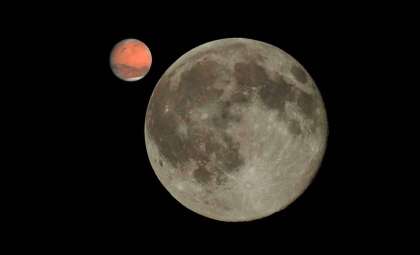
The rocky worlds Mercury and Mars align closely early in November, separated by just over 1°. These planets remain low near the southwestern horizon after sunset and are a challenge to detect, especially as their proximity to the Sun dims their visibility. Observers south of 30°N latitude, such as those in the southern United States, may glimpse them about 25 minutes after sunset.
Shining at magnitude +1.2, Mercury pairs up briefly near Mars, which shines slightly less brightly at magnitude +1.4. Both planets vanish from the evening sky by midmonth. Mercury’s inferior conjunction on November 29 shifts it into the morning sky, where it emerges in the east-southeast roughly 1.5 hours before sunrise. This transition signals better viewing opportunities for Mercury in early December, promising a more accessible end to the year’s planetary shows.
- Categories:
- News

0 comments
Sign in to Comment