
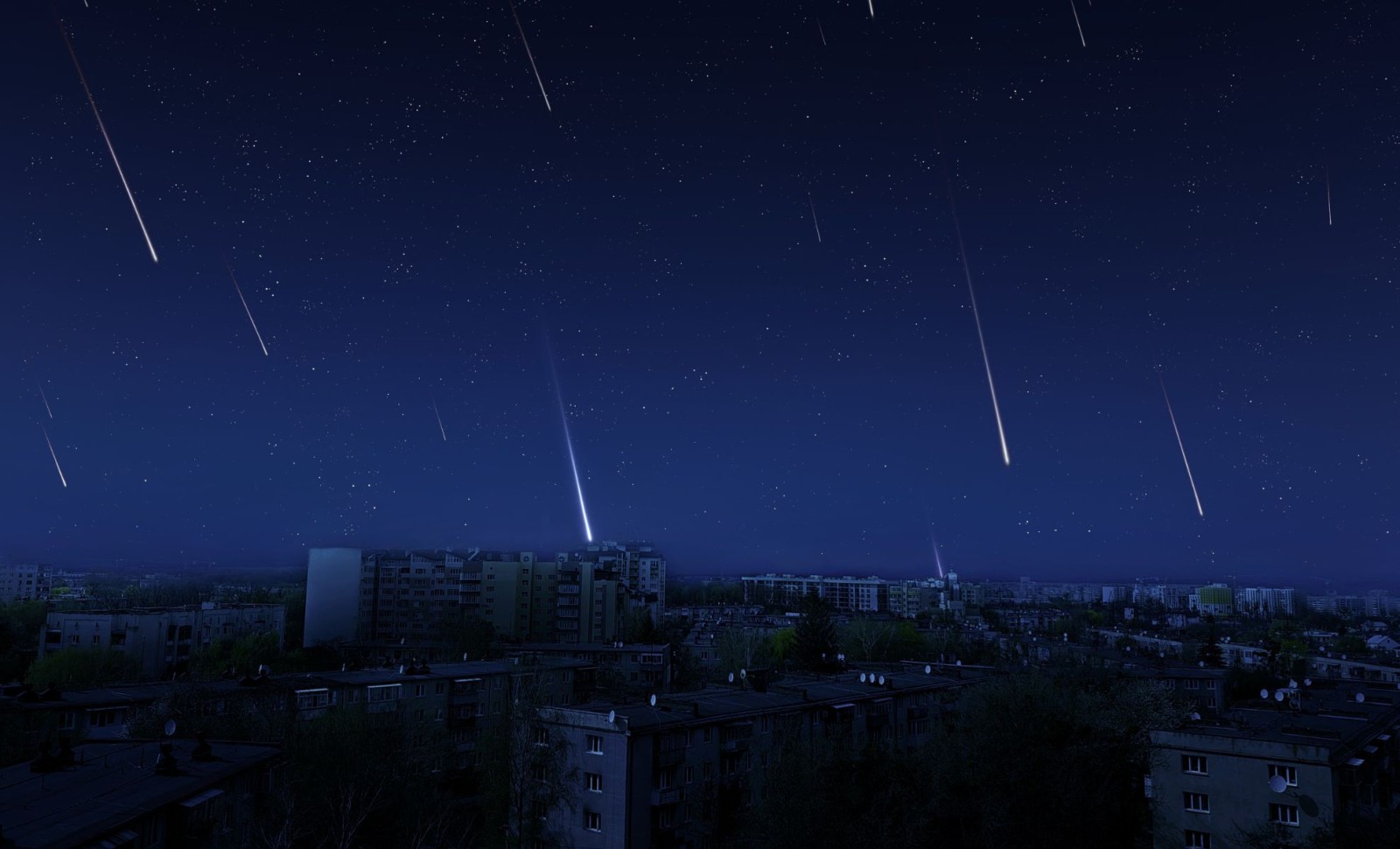
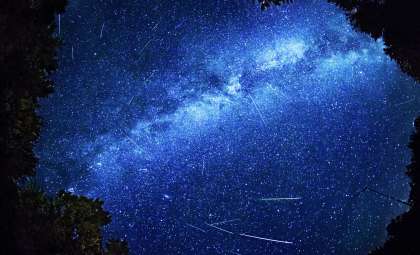
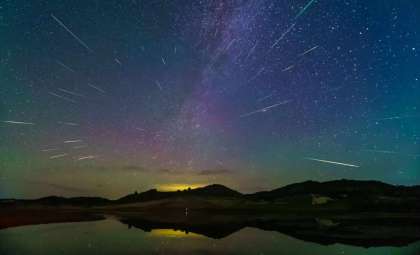
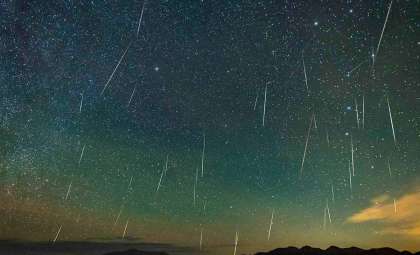
Each November, the Leonid meteor shower dazzles stargazers across the Northern Hemisphere with a flurry of swift, bright meteors. This year, the peak occurs on November 17, offering a chance to see as many as 15 meteors per hour under clear and dark conditions.
While 2025 won’t produce a spectacular meteor storm like the legendary 1966 display, the Leonids remain a highlight of the astronomical calendar. Their timing also overlaps with the height of the Taurid meteor showers, potentially allowing observers to witness meteors from multiple sources on the same night.
Known for their high speed and brilliant flashes, Leonid meteors enter Earth’s atmosphere at remarkable velocities. Although the hourly meteor count tends to be moderate, the shower’s rich history and its appearance during the often cloudy late autumn season make it a favorite event among astronomy enthusiasts.

Origins of the Shooting Stars
This shower is fueled by debris from the comet 55P/Tempel-Tuttle, which circles the sun every 33 years. As Earth crosses the comet’s trail of dust and ice, particles streak through the atmosphere, burning up and creating the dazzling streaks popularly called shooting stars. These tiny bits, sometimes referred to as “comet crumbs,” strike our atmosphere at such speed that they generate brief, bright trails visible to the naked eye.
EarthSky.com notes that the Leonids are active from November 3 through December 2, with the greatest activity usually occurring before dawn on November 17. Although some years bring enhanced activity when Earth encounters denser debris fields, no such surge is predicted for 2025.
The shower gets its name from the Leo constellation, where the meteors appear to radiate from in the night sky. Unlike their parent comet, the Leonids return reliably each year, providing a dependable, if sometimes subtle, celestial event.
The Historic 1966 Meteor Storm
Although today’s Leonids provide a relatively modest display, their history includes an extraordinary event. On November 17, 1966, observers across North America witnessed meteors flashing at astonishing rates, with thousands observed per minute during what EarthSky.com calls “one of the greatest meteor storms in living memory.”
This dramatic storm resulted from Earth passing through an especially dense part of the comet’s debris stream. In contrast, typical Leonid years today yield no more than about 15 meteors per hour, making the 1966 outburst a remarkable anomaly.
Enthusiasm often peaks near the comet’s 33-year orbital return, though not every cycle produces a storm. For 2025, the Leonids don't coincide with a recent return of Tempel-Tuttle, so a spectacular storm is not expected. Nevertheless, the shower continues to captivate skywatchers thanks to its impressive heritage and rapid meteors.
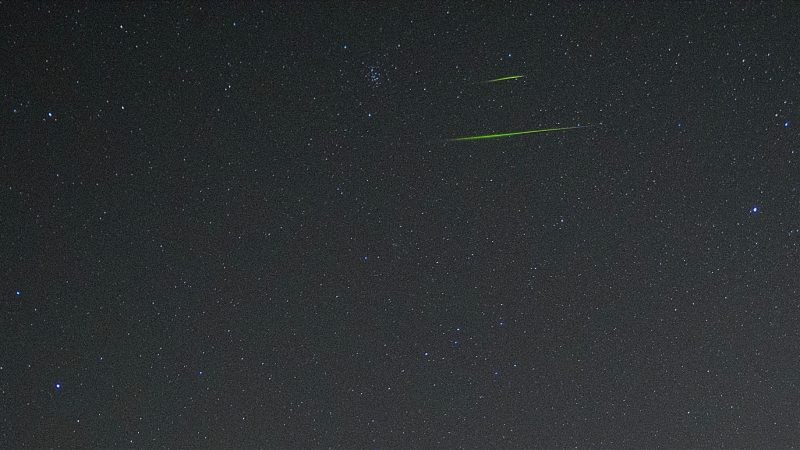
Tips for Viewing the Leonid Shower
Watching the Leonids requires no special gear, though the right environmental conditions can enhance the experience. According to Space.com, heading to a dark location away from urban lights and allowing your eyes around 30 minutes to adapt will improve visibility. Binoculars or telescopes aren’t necessary and may even hinder viewing since meteors travel quickly across broad regions of the sky.
The American Meteor Society highlights that the Taurid meteor showers are active during the same period, peaking between November 3 and 12. Though from different parent bodies, their timing overlaps with the Leonids, potentially creating an extended night-sky spectacle for those willing to brave the chill.
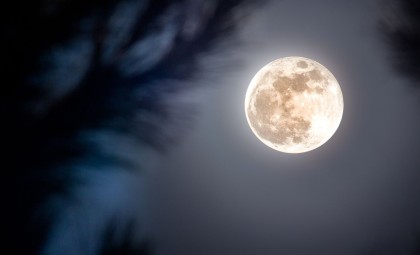
For optimal viewing, aim for the early morning hours before sunrise, centering your plans around November 17. Moonlight is expected to be minimal this year, offering a prime window for witnessing the Leonid meteors streaking through the nocturnal sky.
- Categories:
- News


0 comments
Sign in to Comment