
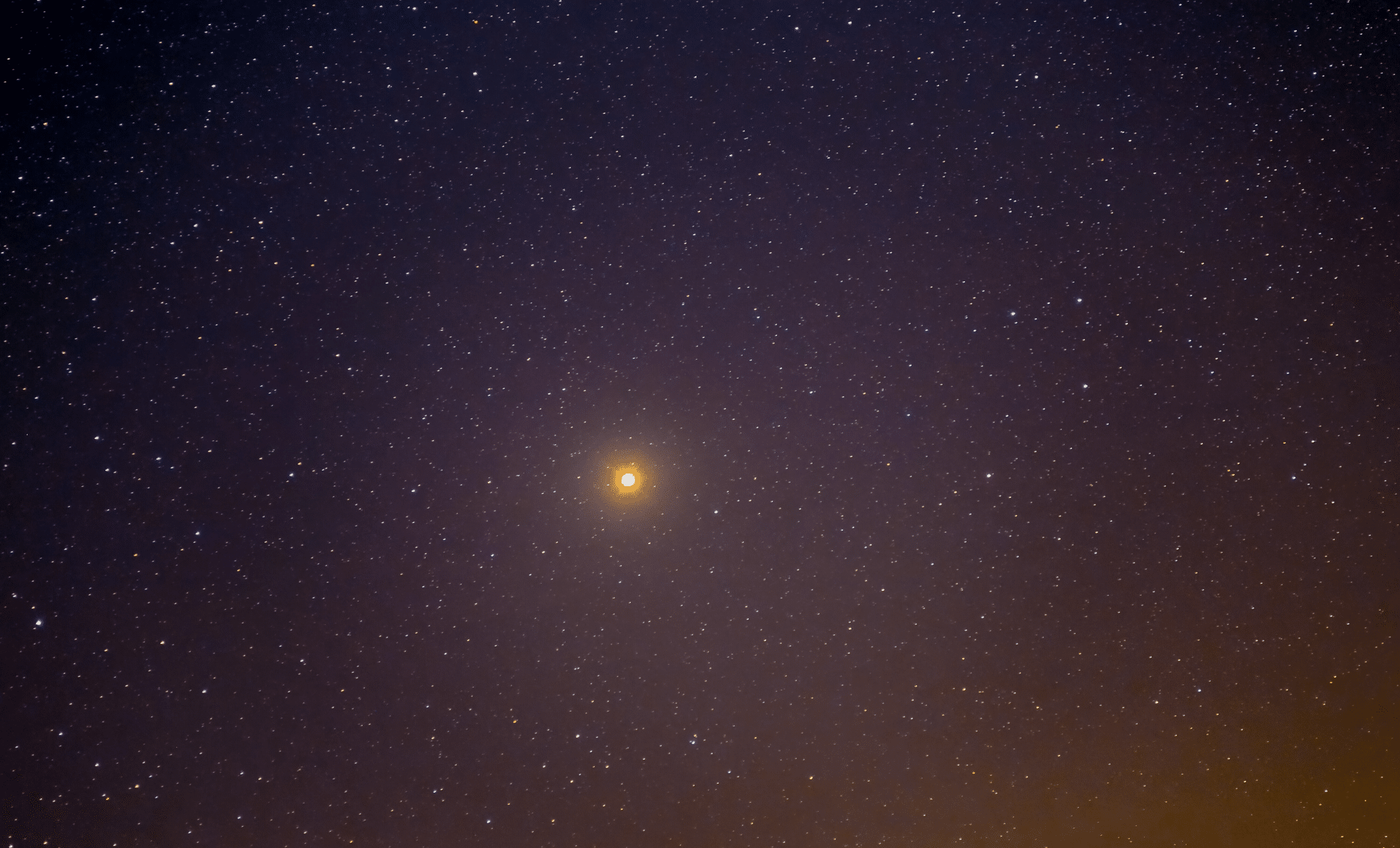
On the night of September 13, 2025, sky enthusiasts will witness a captivating celestial event as Mars aligns closely with the bright blue star Spica near the western horizon. According to Space.com, this uncommon conjunction offers a prime opportunity to observe both celestial bodies together in the twilight sky. With clear atmospheric conditions and a suitable vantage point, observers can enjoy this spectacular sight for just over an hour before the pair sinks below the horizon.
The Distinctive Red Radiance of Mars
Mars is well-known for its vivid red coloration, caused by iron oxide coating its surface rocks, soil, and dust. This rusty tint arises from long-term exposure to the Sun’s energetic radiation, which chemically alters the minerals. The glowing Red Planet has fascinated viewers for ages, standing out among the stars as a unique, glowing ruby in the night sky.
On September 13, 2025, Mars will be positioned less than 10 degrees above the western horizon at dusk, making it an easy target for naked-eye observers, including novices. For instance, the angular separation between Mars and Spica can be roughly measured by holding a clenched fist at arm’s length, simplifying the task of locating the red dot amid the darkening sky.

As the weeks progress, Mars will gradually approach the Sun in the sky, disappearing from view during its solar conjunction in January 2026. Until then, this mid-September evening presents one of the last occasions to spot Mars glowing vividly in the early night.
The Radiant Blue Beacon: Spica
On this evening, Spica—the brightest star in Virgo—will shine just below Mars. This stellar blue giant is actually a binary star system, its two components together emitting more than 12,000 times the luminosity of our Sun. Although it lies some 250 light-years away, Spica’s brilliant blue-white light remains a noteworthy spectacle in the northern skies.
Spica might not always be the center of attention among stargazers, but its pairing with Mars elevates the star’s prominence. The juxtaposition of Mars’s warm red glow and Spica’s cool blue shimmer will create a vivid and unforgettable celestial tableau.
Where to Watch for the Best Views
To enjoy the Mars-Spica pairing at its finest, look west soon after sunset on September 13. The event lasts roughly an hour before the two descend beneath the horizon, so timing and location matter. The farther west you are, the greater your chance to witness the scene before it fades.
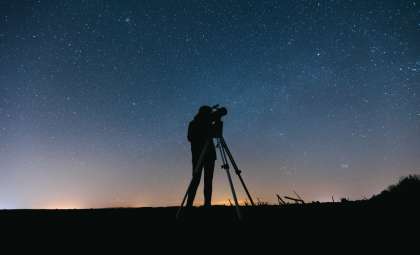
For an optimal viewing experience, pick a spot with an unobstructed view of the horizon—high elevations like hills or rooftops work well. Steer clear of brightly lit urban areas to reduce light pollution, enhancing your ability to see the celestial partners clearly. While the event is visible to the unaided eye, binoculars or a smaller telescope can enrich the viewing experience.
- Categories:
- News





0 comments
Sign in to Comment