
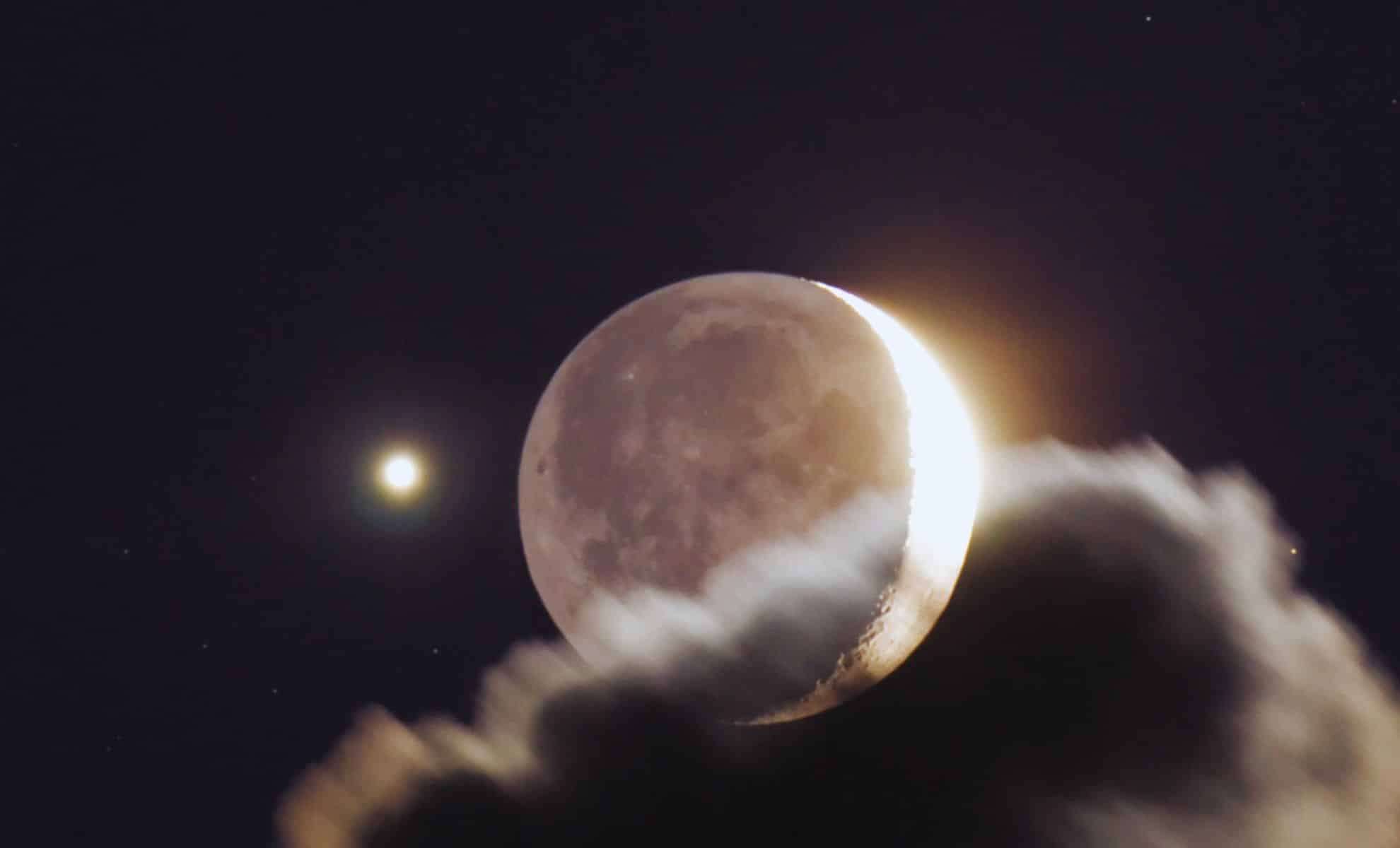
On the evening of July 28, 2025, stargazers will be treated to a captivating astronomical event. A slender crescent moon will appear remarkably close to Mars, creating a striking visual in the night sky. According to Live Science, this extraordinary conjunction will occur alongside several meteor showers reaching their peak, making it one of the season's prime nights for celestial observation. Whether you are a seasoned astronomer or a casual sky enthusiast, this event offers an unmissable glimpse of the cosmos.
The Enchanting Pairing of a Crescent Moon and Mars
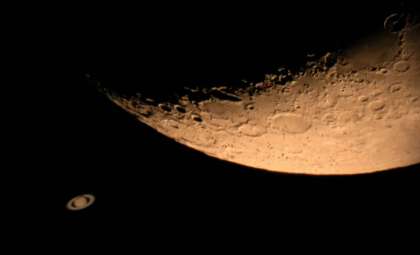
The night skies on July 28 will showcase a rare alignment as a delicate crescent moon and Mars draw near each other. Just about 45 minutes after sunset, these two celestial bodies will be separated by a mere degree — roughly the span of a small finger held at arm's length. The moon, illuminated at just 19%, will present a soft glowing crescent, while Mars, known as the Red Planet, will be visible as a vivid reddish point against the fading daylight.
Mars won’t be at its annual maximum brightness, yet it will still stand out prominently against the darkened sky of late July. Additionally, the moon will display Earthshine, a subtle illumination on its shadowed portion caused by sunlight bouncing off Earth. This gentle glow heightens the beauty of the moon-Mars conjunction, offering viewers a rare and captivating celestial pairing.

Meteor Showers Lighting Up the Night
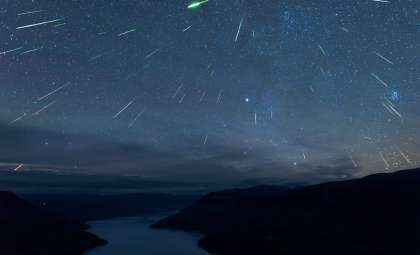
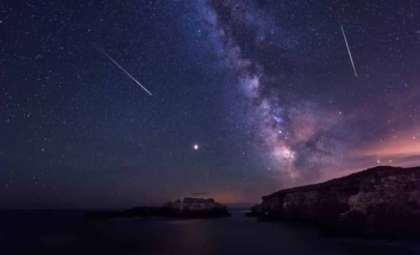
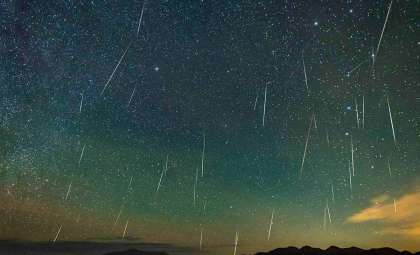
The impressive dual display between the moon and Mars will be complemented by active meteor showers. Expect the Piscis Austrinid meteor shower to reach its peak in the early hours of July 28, producing up to five meteors per hour. Though modest in intensity, it adds an exciting dimension to the night sky.
Following soon after, the Delta Aquariid and Alpha Capricornid meteor showers will peak overnight between July 29 and 30. The Delta Aquariids may yield as many as 20 meteors per hour, while the Alpha Capricornids contribute about five per hour, creating a dazzling layered spectacle alongside the moon and Mars.
Ideal Viewing Spots for Optimal Clarity
To fully appreciate this celestial event, seek out areas with limited artificial lighting. Locations designated as Dark Sky Places are perfect, but any site away from urban glow can provide a satisfactory view. The moon and Mars will become visible shortly after sunset and remain in sight for several hours, allowing ample time for observation.
After the moon sets a couple of hours post-sunset, darkness will deepen, enhancing conditions for observing meteor showers with minimal lunar interference. Aim for clear western horizons unobstructed by buildings or trees to witness the moon-Mars conjunction in its full glory.
How to Maximize Your Stargazing Experience
For an enriching viewing session, allow your eyes at least 20 minutes to adapt to the dark before you start looking skyward. This adaptation improves your capability to detect faint meteors and appreciate the subtle Earthshine illuminating the moon.
Refrain from using bright screens, such as smartphones, as they can easily spoil night vision. Bring a comfortable seat or blanket for extended watching, since stargazing often involves periods of stillness. Lastly, verify local weather conditions ahead of time to ensure a clear sky on July 28, as cloud cover might obstruct the anticipated spectacle.
- Categories:
- News


0 comments
Sign in to Comment