
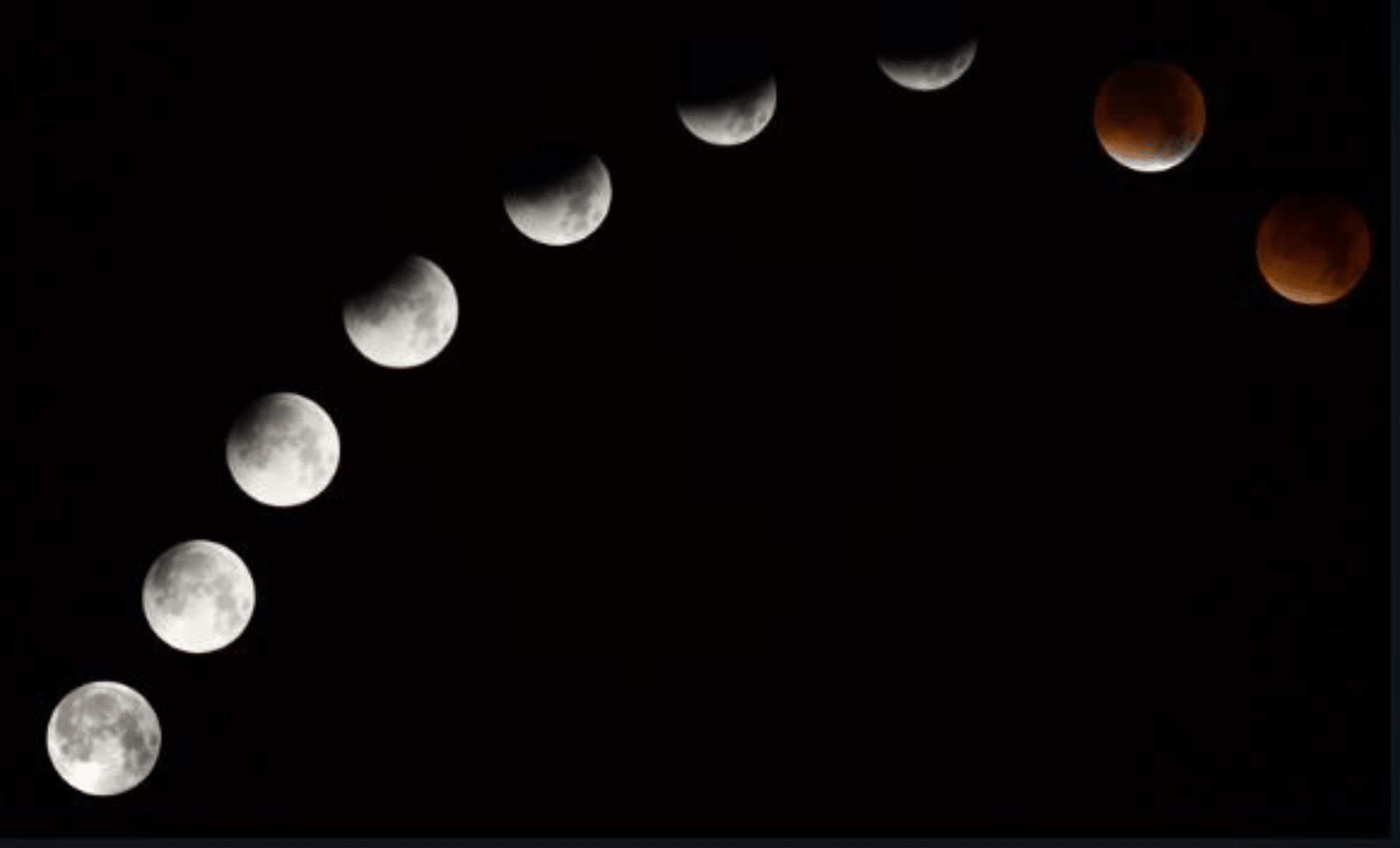
September delivers an extraordinary celestial spectacle as a supermoon, the Harvest Moon, and a partial lunar eclipse align on a single evening.
This remarkable occurrence promises an impressive visual experience accessible worldwide. Whether you're a casual sky enthusiast or a seasoned astronomer, this event on Tuesday night, September 17, 2024, is a perfect opportunity to observe multiple lunar phenomena simultaneously.
Understanding the Supermoon
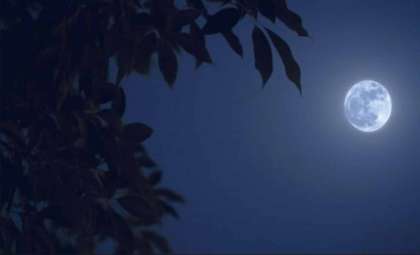
A supermoon happens when a full moon coincides with its closest approach to Earth, known as perigee. This closeness causes the moon to look larger and brighter than a typical full moon. NASA notes this event will feature a moon approximately 7% bigger and 15% more luminous than usual, making for a striking skyward spectacle.

This supermoon marks the second in a sequence of four this year, following August and preceding the supermoons appearing in October and November. While the size difference is subtle, the effect is more noticeable when the moon hovers near the horizon, enhanced by the moon illusion. NASA explains, “Different sources use varying criteria for defining a supermoon,” but all confirm that September’s moon will be noticeably brighter and larger than the average full moon.
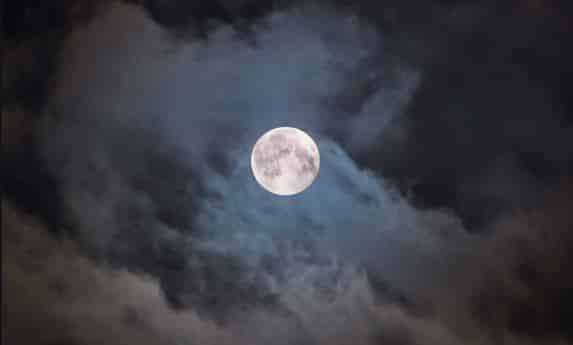
Harvest Moon: A Time-Honored Nightlight for Farmers
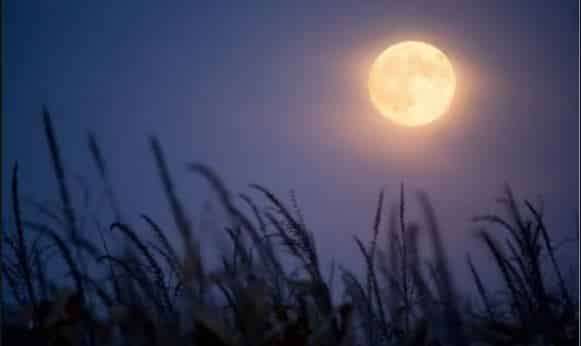
The Harvest Moon this year is the full moon nearest to the autumnal equinox on September 22. Historically, this moon earned its name for the vital brightness it provided to agricultural workers harvesting crops before electric light was available.
Farmers traditionally relied on the extended glow from the Harvest Moon to gather crops well into the night. Alan MacRobert, editor at Sky & Telescope, points out, “Before tractors had headlights, having moonlight was essential for quickly completing harvests before rain could spoil the crops.” NASA highlights that this moonlight helped farmers take full advantage of the ripening season. The term “Harvest Moon” first appeared in writings from 1706 and continues to hold significance both agriculturally and astronomically.
Partial Lunar Eclipse Adds Another Dimension
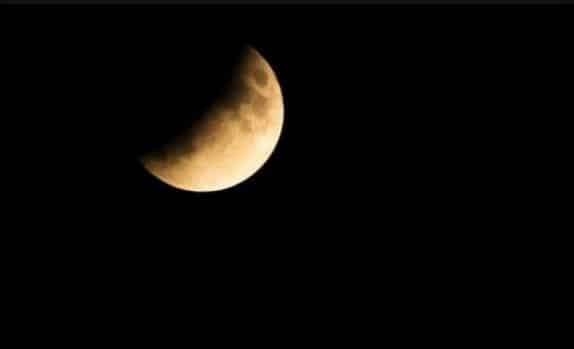
Completing this celestial trio is a partial lunar eclipse happening in conjunction with the supermoon and Harvest Moon. A lunar eclipse occurs when the Earth positions itself between the Sun and the Moon, casting a shadow over the lunar surface. Unlike a total lunar eclipse, which fully blankets the moon with Earth’s shadow and often results in a reddish tint, this partial eclipse will only veil about 8% of the moon.
The eclipse will reach maximum coverage at 10:44 p.m. EDT on September 17, with the moon’s upper portion entering full shadow. Though less dramatic than a total eclipse, this partial shading enriches the night’s spectacle, vividly illustrating the synergy of the Earth-Sun-Moon alignment. NASA notes this will be 2024’s second and final lunar eclipse following a previous partial event in March.
For enthusiasts longing for a full lunar eclipse, the next chance visible in the Americas will be on March 14, 2025.
Tips for Observing the Phenomenon
A major advantage of lunar eclipses over solar ones is that no protective gear is required to watch safely. Observers can enjoy the event with the unaided eye, although using binoculars or a telescope can reveal greater detail. The moon’s dimming progresses gradually and might be hard to detect at a glance, but as KaChun Yu from the Denver Museum of Nature and Science advises, patience is key. “Changes may be subtle minute-to-minute, but become impressive over hours,” Yu states.
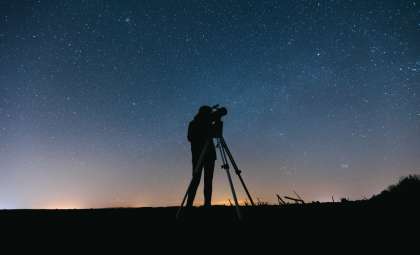
Photographers aiming to capture this cosmic moment should use a camera with a zoom lens to highlight lunar surface details during eclipse phases. For casual viewers, simply stepping outside during peak eclipse offers a chance to witness one of nature’s most captivating lunar displays.
- Categories:
- News






0 comments
Sign in to Comment