
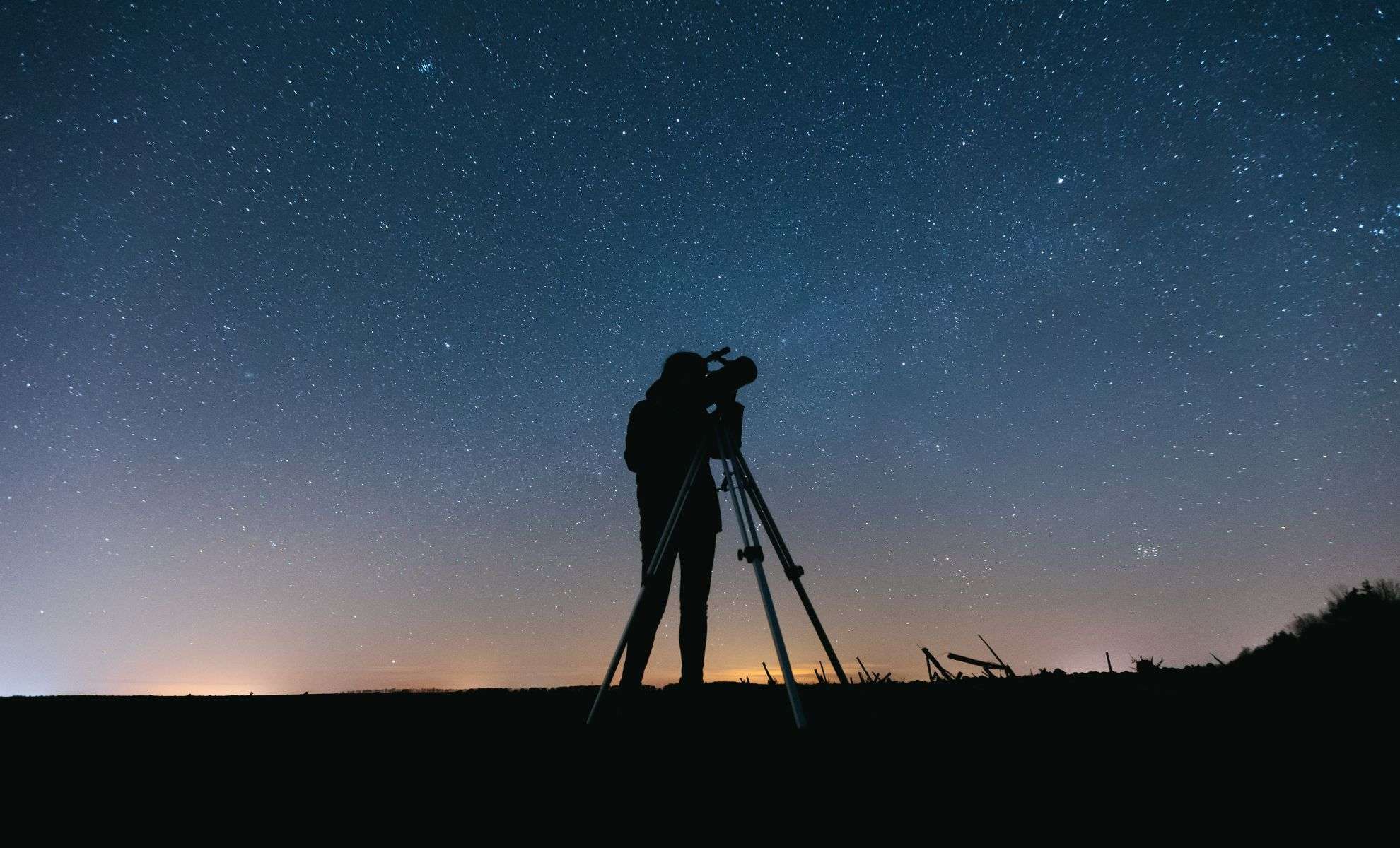
As the Northern Hemisphere bids farewell to summer, the night skies promise a series of mesmerizing astronomical events.
September 2024 features exciting occurrences such as a partial eclipse of the Super Harvest Moon, Saturn reaching opposition, and the arrival of the autumnal equinox, offering ample chances for sky enthusiasts to explore our cosmic neighborhood.
Partial Eclipse of the Super Harvest Moon
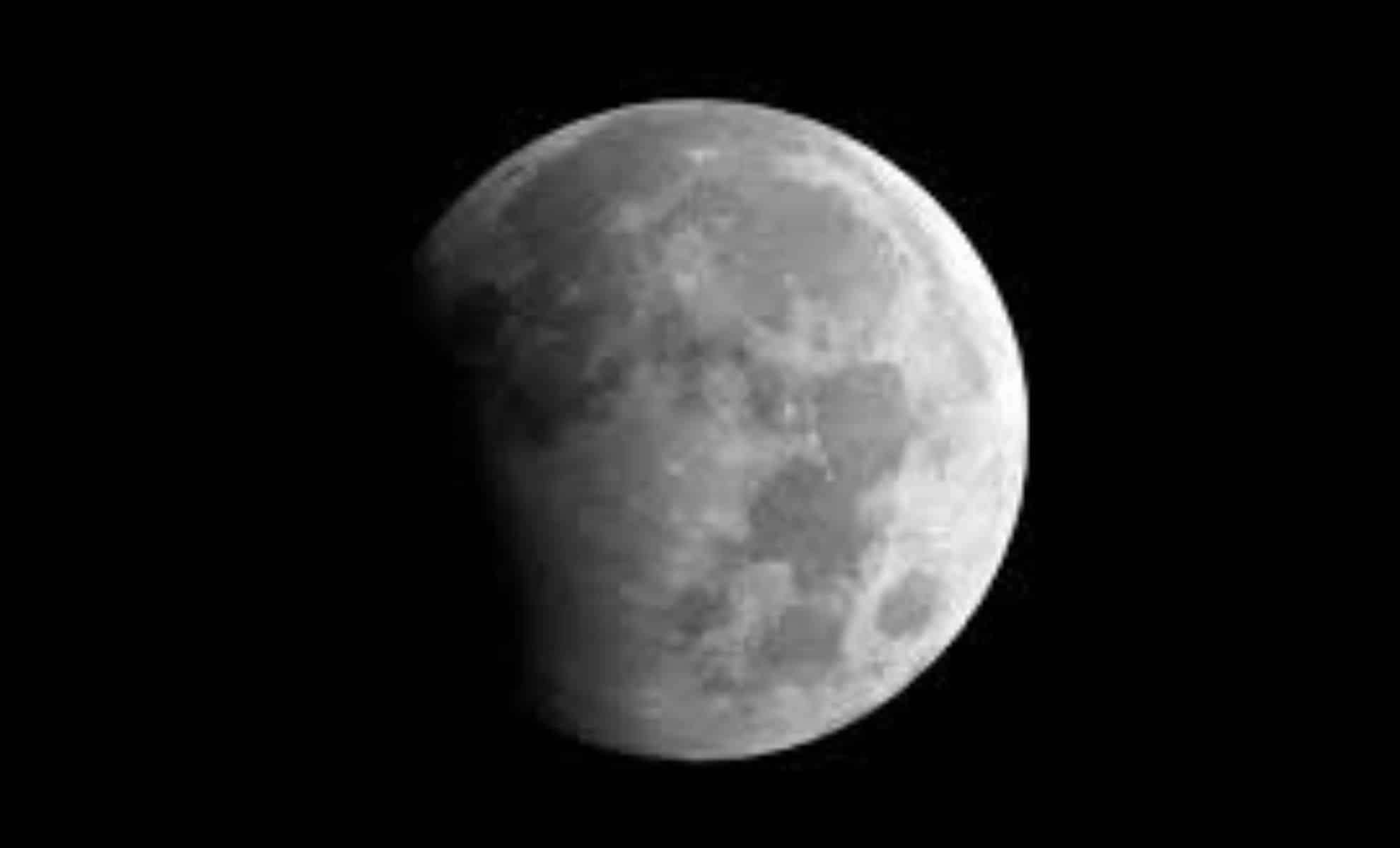
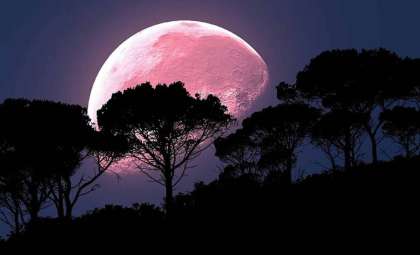
One of September’s standout events is the partial eclipse of the Super Harvest Moon on the evening of September 18. This event uniquely blends several phenomena: the full moon nearest the autumnal equinox—the Harvest Moon—will appear as a supermoon, appearing larger and brighter because it’s closer to Earth.

During the eclipse, the moon will partially move into Earth’s shadow, creating a partial lunar eclipse. This spectacle will be visible to most viewers in North America, excluding western Alaska, and also from regions in South America, Africa, Europe, and the Middle East. The eclipse will peak at 10:44 p.m. EDT, providing a striking mixture of the supermoon’s brightness with the subtle shading of the Earth's shadow.
Saturn’s Opposition Brings It into Focus
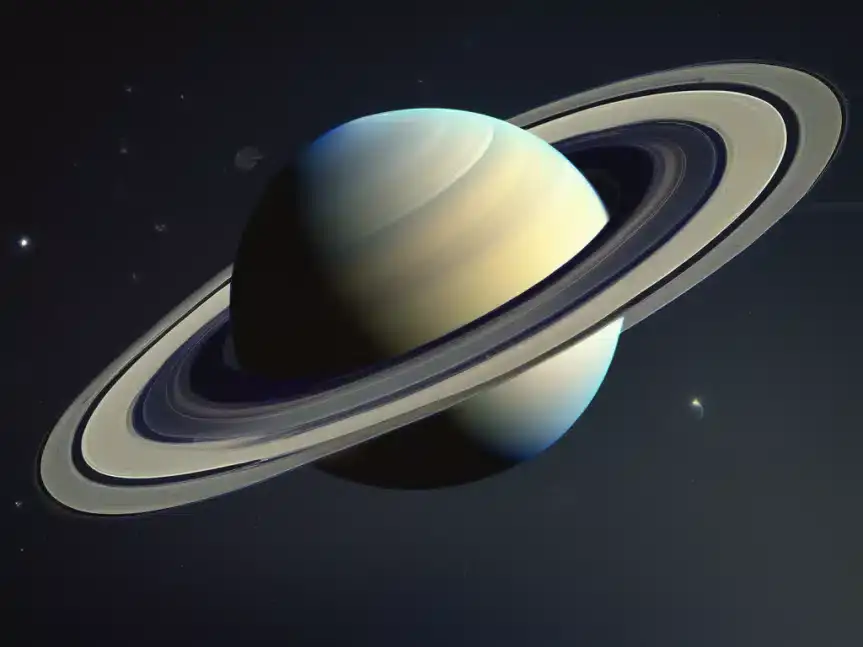
September 8 marks Saturn’s opposition, a time when the ringed planet lies opposite the sun and at its nearest approach to Earth. This alignment brightens Saturn significantly, making it visible all night long. While Saturn can be admired with the naked eye, telescopes reveal its iconic rings and some of its prominent moons.
The opposition period is an optimal chance for observers to study this gas giant and its moons, such as Titan and Enceladus. Saturn’s enhanced brightness offers both hobbyists and astronomers an exceptional view of its intricate ring system and celestial companions.
Marking the Autumnal Equinox
The autumnal equinox arrives on September 22 at 8:43 a.m. EDT, signaling the start of autumn in the Northern Hemisphere and spring in the Southern Hemisphere. This year, it’s the earliest astronomical start to fall since 1796, ushering in longer nights and shorter days.
Post-equinox, evenings extend further, enhancing opportunities for stargazing in the Northern Hemisphere. Cooler temperatures and clearer skies accompany this transition, setting ideal conditions for night sky observation.

Exploring Major Moons of the Outer Planets
September also offers great visibility of some of the solar system’s largest moons, particularly around Jupiter and Saturn. The Galilean moons of Jupiter—Io, Europa, Ganymede, and Callisto—are accessible through binoculars or small telescopes. Each moon boasts fascinating features, from Io’s active volcanoes to Europa’s potential hidden ocean.
Saturn’s moon Titan, the solar system’s second-largest moon, is also observable this month. Known for its dense atmosphere and lakes of methane, Titan remains a captivating subject for exploration, with NASA’s Dragonfly mission planned for the 2030s. Viewing Titan from Earth offers a window into the intriguing diversity of extraterrestrial environments.

- Categories:
- Astronomy ,
- News ,
- Space







0 comments
Sign in to Comment