

Over a hundred years ago, an intriguing diplomatic proposal was quietly made and then dismissed as unrealistic. In 1910, Denmark offered to hand over Greenland to the United States. The U.S. government chose to decline without opening public discussions. Fast-forward a century, and the U.S. is once again asserting interest in the Arctic island, driven by strategic and economic factors.
This largely forgotten 1910 offer has resurfaced amidst recent U.S. efforts, including escalating tariffs on Denmark, aimed at renewing talks on Greenland’s sovereignty. The issue now carries increased geopolitical weight.
Greenland sits at the crossroads of resource competition, military strategy, and global rivalry, transforming what was once perceived as a distant geopolitical idea into a key national concern for the U.S.

The Obscure 1910 Three-Nation Land Exchange
The original proposal involved a complex exchange between three countries. The U.S. would transfer parts of the Philippines to Denmark, which would then pass them to Germany in return for Schleswig-Holstein’s restoration. In exchange, Denmark intended to hand Greenland to American control.
Historical accounts cited by Fortune reveal that U.S. officials quickly dismissed the idea as overly complicated and politically sensitive. At that time, the U.S. was focused inward, dealing with domestic affairs following the Spanish-American War.
Though no public records document formal negotiations, historians recognize this as the earliest known instance of Denmark proposing Greenland’s transfer, setting the stage for later U.S. attempts that never materialized.
Cold War Context Elevated Greenland’s Importance
Greenland’s strategic significance became clearer after World War II. In 1946, President Truman offered Denmark $100 million to acquire the island, but Denmark refused. Nonetheless, postwar defense cooperation allowed the U.S. military to establish a presence without outright ownership.
The secret U.S.–Denmark defense pact of 1951 permitted American forces to operate in Greenland. The Thule Air Base, now known as Pituffik Space Base, emerged as a critical NATO facility for early warning systems and Arctic surveillance, remaining operational today.
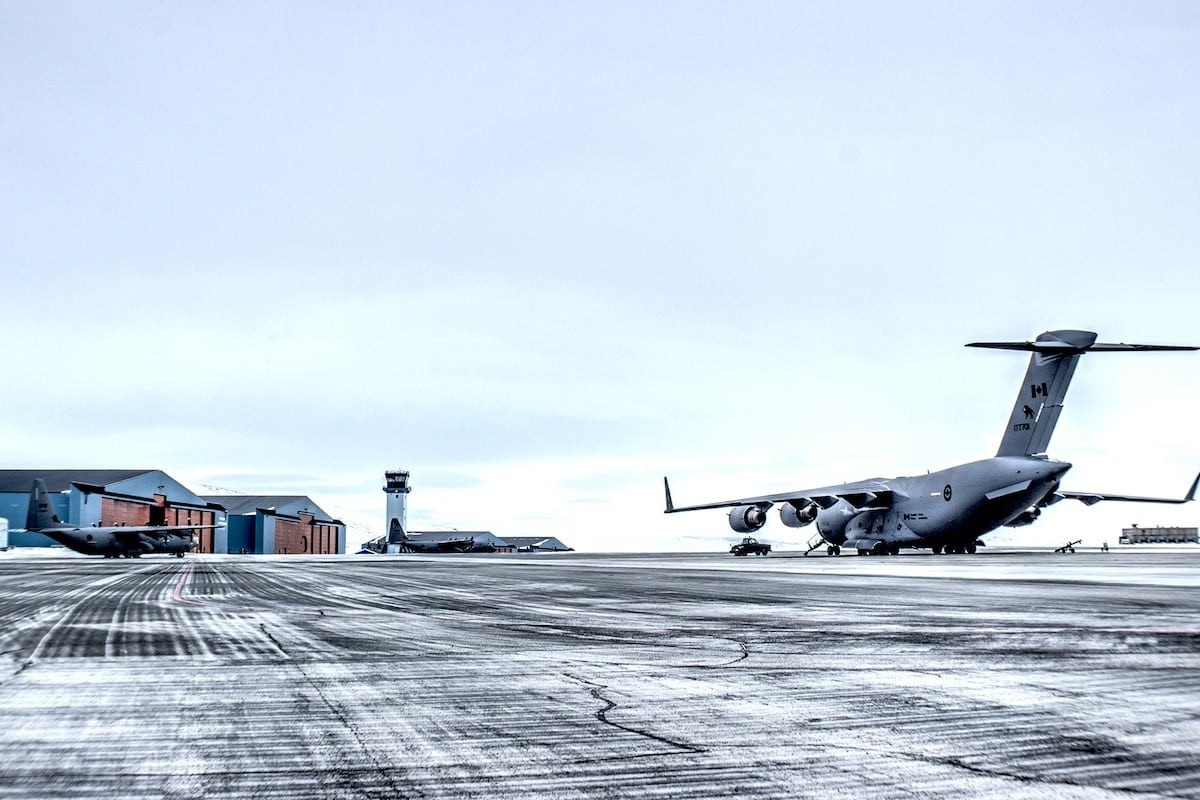
During World War II, when Denmark was occupied by Nazi Germany, U.S. forces assumed responsibility for Greenland’s defense by constructing key military installations that formed the foundation of today’s Arctic defense strategy.
Critical Minerals and Contemporary Geopolitics
In 2026, Greenland’s strategic value rests heavily on its rich mineral reserves rather than just geography. The island contains abundant rare earth metals — notably neodymium, dysprosium, terbium, and lithium — essential for modern green energy, aerospace innovation, and military technology.
One major operation, the Tanbreez mine in the island’s south, extracts 17 metals crucial for electric vehicles, wind turbines, and defense systems, including components for the F-35 fighter jet. The American Action Forum has valued Greenland’s overall mineral resources between $2 and $4 trillion.
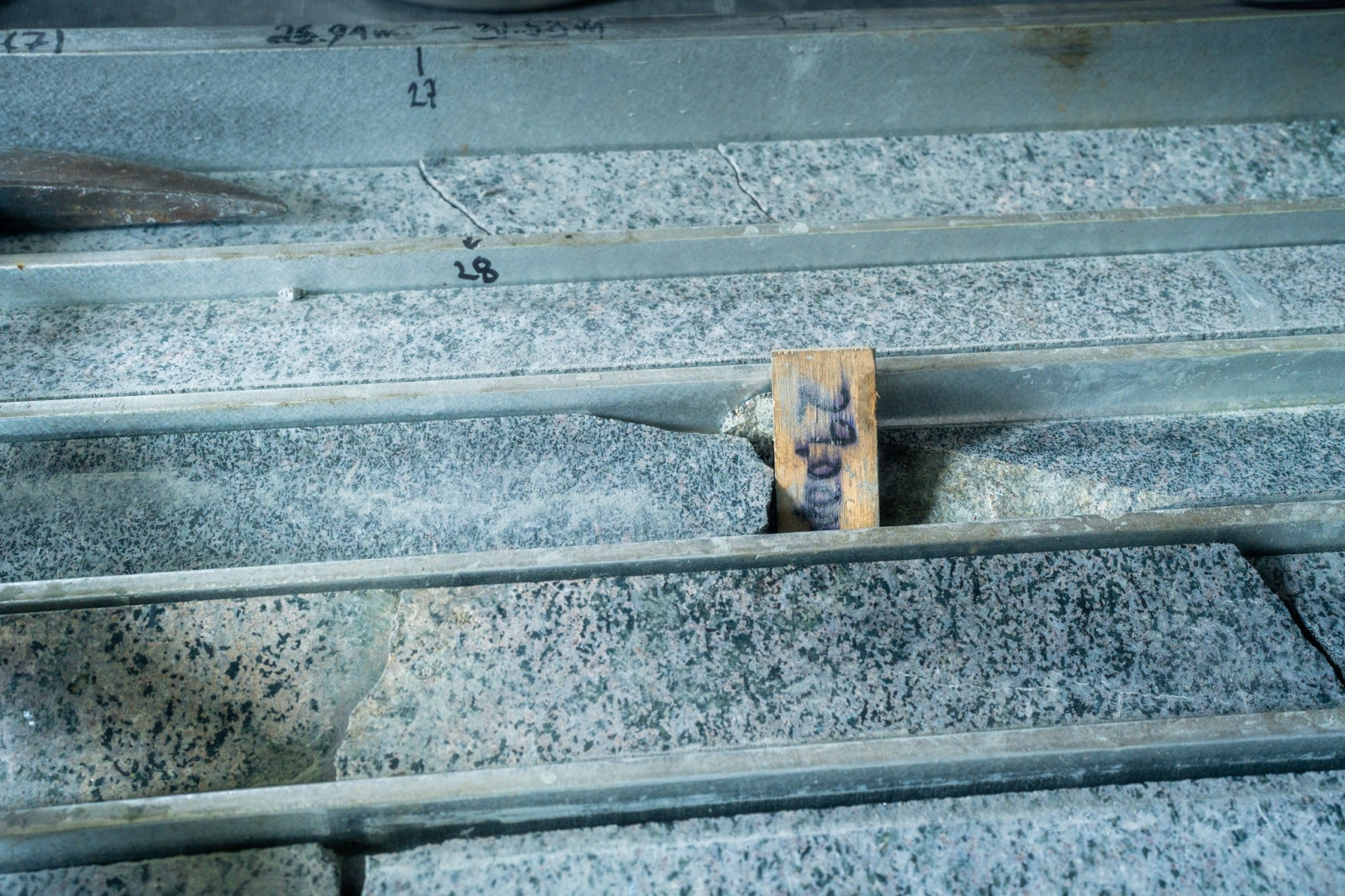
A Fortune article points out that Greenland contains 25 of the 30 materials deemed essential by the EU, underscoring its critical role in Western manufacturing and defense chains.
Amid accelerating climate policies, investment interests from China and the European Union have surged. China’s Polar Silk Road initiative seeks to fund infrastructure in Greenland, which Denmark has actively resisted to prevent external domination.
The U.S. government regards control of these resources as a national security imperative. The 2025 National Security Strategy explicitly tied Arctic resource sovereignty to countering China’s expanding influence.
Tariffs and Diplomatic Tensions in 2026
On January 17, 2026, the Trump administration enacted a 10% tariff on Danish imports, with plans to raise this to 25% by mid-year. This economic pressure sought to compel Denmark to revisit the Greenland sovereignty question. Germany, France, and Sweden, who backed Denmark’s stance, faced similar trade restrictions, according to the Indian Defence Review.
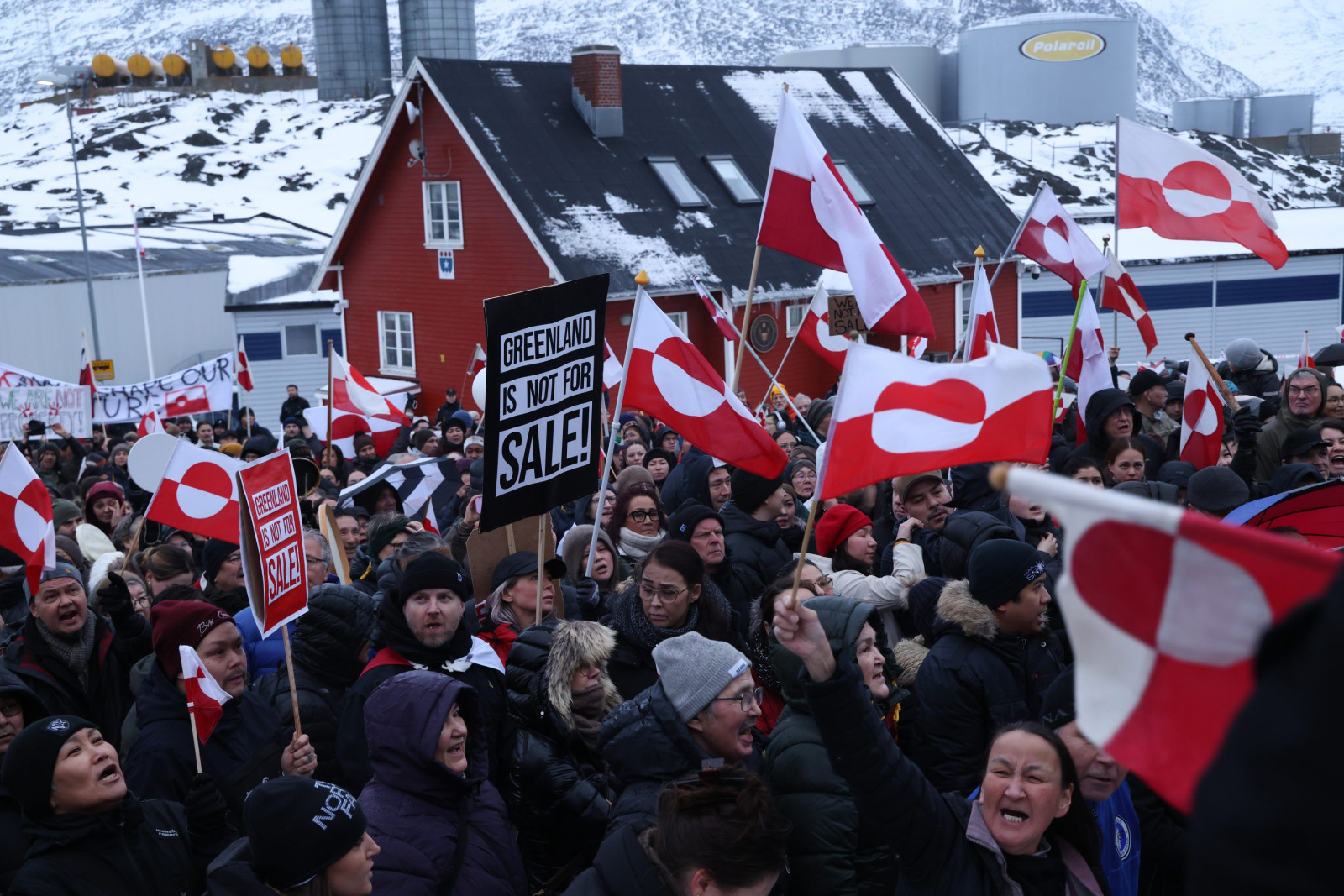
Denmark’s Prime Minister Mette Frederiksen firmly declared, “Greenland is not for sale.” Greenland’s own Prime Minister, Múte Egede, reaffirmed strong U.S.–Greenland partnerships but rejected any talks about transferring sovereignty, stating, “We are going to work with the U.S. – yesterday, today and tomorrow,” as reported by the New York Times.
Despite the diplomatic strain, no official negotiations have commenced. Experts warn that normalizing such coercive trade tactics risks undermining Arctic governance and challenging global norms respecting national sovereignty.
- Categories:
- News












0 comments
Sign in to Comment