
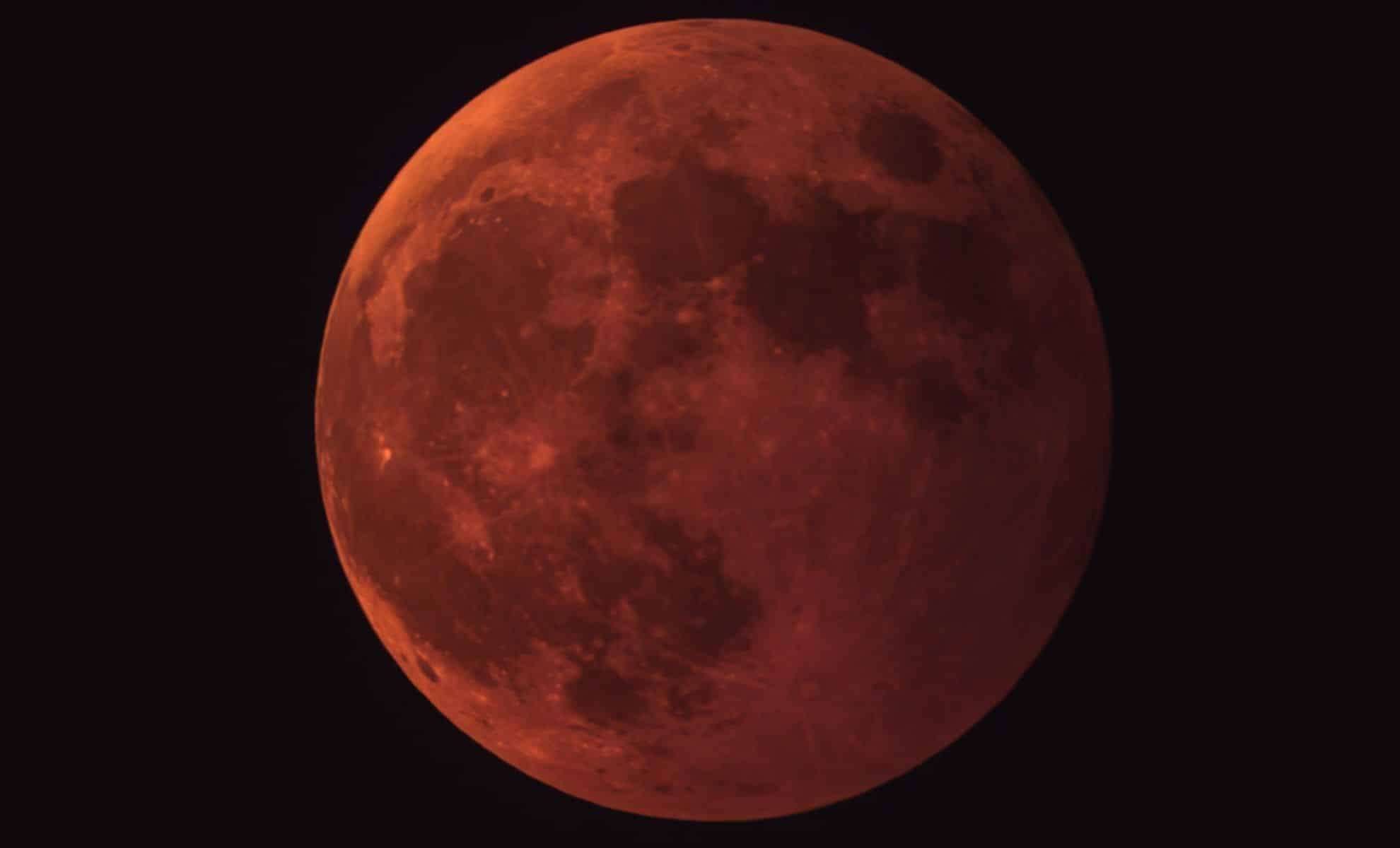
In March 2025, a remarkable celestial display will unfold across North America as a total lunar eclipse paints the moon in a dramatic deep red shade, famously known as a Blood Moon. Lunar eclipses provide awe-inspiring views for astronomy enthusiasts and casual observers alike, but this particular event stands out for its visibility and brilliance. Unlike solar eclipses, which require protective eyewear, lunar eclipses can be safely admired with the naked eye, making them accessible to everyone. This eclipse is notable as the first global total lunar eclipse since November 2022 and will be prominently visible across the Americas during the night of March 13-14.
This phenomenon happens when the Earth’s shadow fully envelops the Moon as it moves between the Sun and the Moon. During the totality phase, the lunar surface takes on a reddish-orange glow, earning it the Blood Moon moniker. This effect results from Earth’s atmosphere filtering out shorter light wavelengths, like blue and green, while bending longer red and orange wavelengths onto the moon. The captivating color transformation resembles the hues seen during sunrise and sunset.
Viewing Highlights: Timing and Location
According to Space.com, this full lunar eclipse will be visible throughout North America and portions of Western Europe. Unlike solar eclipses, which are limited to narrow paths, lunar eclipses can be observed from any region where the moon is above the horizon during the eclipse, broadening the viewing audience significantly.

Across North America, the event will take place overnight, with totality lasting around 65 minutes. This duration gives ample opportunity for audiences to appreciate the moon's stunning transformation. No specialized instruments are necessary to witness the eclipse; a clear sky and a spot away from urban light pollution are sufficient. Nonetheless, binoculars or telescopes can enhance the experience by revealing more lunar surface detail as it changes color.
Key times for the peak of the eclipse's totality phase are:
- Eastern Time (ET): 2:26 a.m. – 3:31 a.m. (March 14)
- Central Time (CT): 1:26 a.m. – 2:31 a.m. (March 14)
- Mountain Time (MT): 12:26 a.m. – 1:31 a.m. (March 14)
- Pacific Time (PT): 11:26 p.m. (March 13) – 12:31 a.m. (March 14)
- Alaska Time (AKDT): 10:26 p.m. – 11:31 p.m. (March 13)
- Hawaii Time (HST): 8:26 p.m. – 9:31 p.m. (March 13)
These times mark when the moon is fully covered by Earth's shadow. Observers should plan to arrive at least 75 minutes before and after totality to witness the partial eclipse phases, which show the gradual coverage and uncovering of the moon.
Tips for Enjoying the Eclipse
To maximize your viewing experience, select a location with minimal light interference, such as a rural field or hilltop, where the sky is darkest. This setting helps the reddish hues of the Blood Moon stand out vividly. While it’s not necessary, binoculars or a telescope can provide closer views of the moon’s changing surface details during the eclipse.
Unlike solar eclipses, which demand special glasses for safety, lunar eclipses are perfectly safe to watch unaided. This event is open to everyone under clear skies without any protective gear. For photographers, long-exposure shots can artistically capture the rich reds of the Blood Moon at totality.
The Science Behind the Blood Moon
The “Blood Moon” name refers to the distinct reddish shade the moon adopts during a total lunar eclipse. This coloration occurs because Earth's atmosphere scatters shorter wavelengths of sunlight—blues and violets—while bending longer wavelengths like red and orange into Earth’s shadow where the moon is situated. The same atmospheric optics that redden sunrises and sunsets create this glowing effect on the lunar surface. Atmospheric conditions at the time of the eclipse influence how vivid or muted the red hue appears, making each Blood Moon uniquely spectacular.
Lunar eclipses have fascinated humans for millennia, often inspiring myth and symbolism. Historically, many cultures interpreted the Blood Moon as a sign of transformation or noteworthy events, adding a layer of cultural mystique to its natural beauty.
Future Lunar Eclipses to Watch For
If the March 2025 total lunar eclipse is missed, don’t worry — more chances await. The next total lunar eclipse will take place on September 7-8, 2025, visible to observers across Europe, Asia, and parts of the Americas. Those in these regions will again witness the moon’s fiery coloration.
Another spectacular Blood Moon will follow shortly after, on March 2-3, 2026, accessible to most of the world, including North America. This eclipse provides yet another opportunity to observe the lunar surface glowing a brilliant red from the comfort of home or at dedicated stargazing spots.
Although lunar eclipses occur at least twice annually, the dramatic Blood Moon phenomenon adds an extra layer of allure to these events. The rare visual spectacle combined with centuries of cultural significance makes each Blood Moon a treasured occasion for astronomers and sky admirers alike, promising unforgettable viewing experiences in the years ahead.
- Categories:
- News









0 comments
Sign in to Comment