
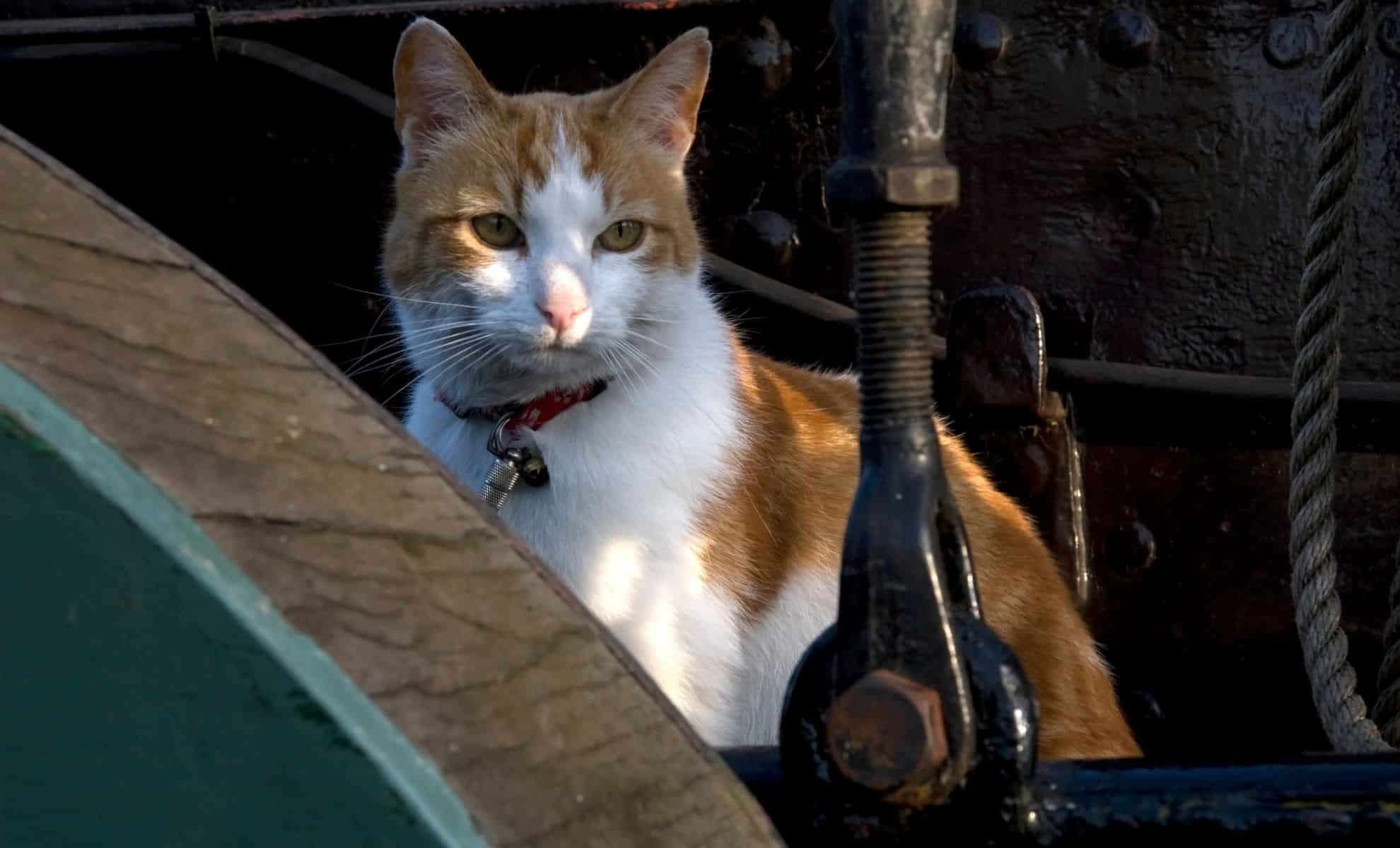
Archaeologists have made a groundbreaking discovery that redefines the presence of domestic cats in North America, unearthing the oldest known feline remains in the territory of the current United States.
This remarkable find originates from the Emanuel Point II shipwreck, part of the ill-fated 1559 expedition commanded by Spanish conquistador Tristán de Luna y Arellano. The details of this study were published on April 14 in American Antiquity, providing new insights into these felines’ fate and their integral role during early colonial endeavors.
An Overlooked Colonial Disaster
In September 1559, a massive hurricane struck the Spanish fleet anchored near the embryonic settlement of Santa María de Ochuse, causing significant devastation.

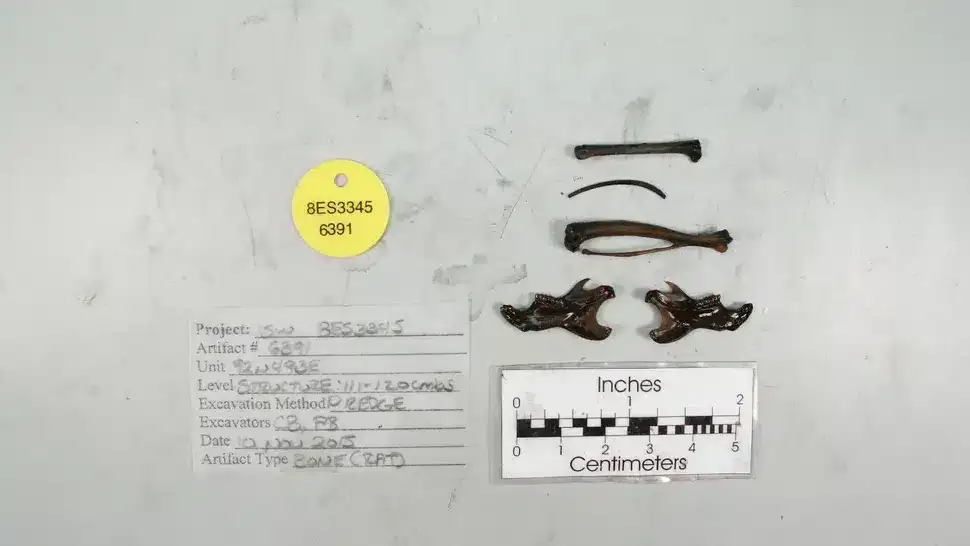
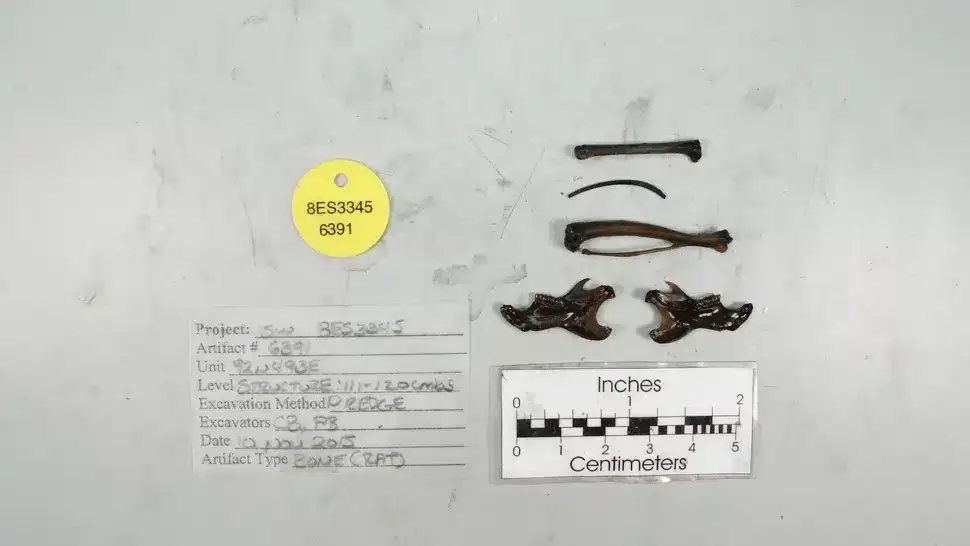
Among the eleven ships sent to colonize, multiple were wrecked, including the one now identified as Emanuel Point II, discovered in 2006. Within the extensive collection of artifacts and remains, two feline skeletons—one adult and one juvenile—were particularly notable.
Confirmatory analysis identified them as Felis catus, or domestic cats. Martin Welker, a zooarchaeologist from the University of Arizona and co-author of the research, remarks that these remains represent the earliest concrete proof of cats reaching mainland United States via Spanish explorers.
“Our current understanding is that all domestic cats come from ancestors in the Middle East. So, they had to be introduced to the Americas by people.”
Dietary Findings That Defy Expectations
The team employed a combination of zooarchaeological, isotopic, and genetic techniques to confirm the identity and origin of the feline remains.
By comparing the skeletal material with that of contemporary domestic cats and analyzing chemical and DNA data, they established that these cats hailed from European stock.
Isotopic investigation revealed an unexpected detail: the adult cat was not subsisting on typical ship pests like rats or mice, as was commonly presumed.
“What was interesting, is that our cat was not eating the rats on board the ship but had a diet more in line with what we’d expect for the sailors.”
Co-author John Bratten of the University of West Florida suggests this might imply that the crew were deliberately providing food for the feline companion.
Early Cats in the U.S. Mainland
Although domestic cats had been noted in earlier Spanish settlements like those in the Caribbean, this discovery is distinct due to being the earliest authenticated presence on the U.S. mainland.
Previous findings connected cats to the Taíno settlement of En Bas Saline in present-day Haiti, where Christopher Columbus arrived in 1492. However, Columbus never set foot on what is now the continental United States, making the felines from the Luna expedition the very first identified American cats on U.S. soil.
Long before modern transportation, cats had already crossed the Atlantic during imperial colonization, fulfilling practical roles on ships and sometimes developing bonds with human crew members.
Roles Aboard: More Than Just Pest Control
While these feline travelers may have embarked in Mexico—likely a stopover before reaching Florida—researchers think they were purposefully brought aboard.
Cats played a crucial role aboard ships at that time, curbing rodent populations to safeguard food stores and reduce disease transmission.
“From domestication through their arrival in the New World, cats primarily functioned as pest controllers, excelling at this with minimal oversight,” the research details.
A Lasting Connection From History
Today, the global population of domestic cats exceeds 600 million. Most cat owners are unaware that their pets’ ancestors might have survived storms, shipwrecks, and imperial conquests centuries ago.
These feline remains from off Florida’s coast establish a concrete link connecting modern house cats with their earliest ventures across the Atlantic Ocean.
- Categories:
- News












0 comments
Sign in to Comment