
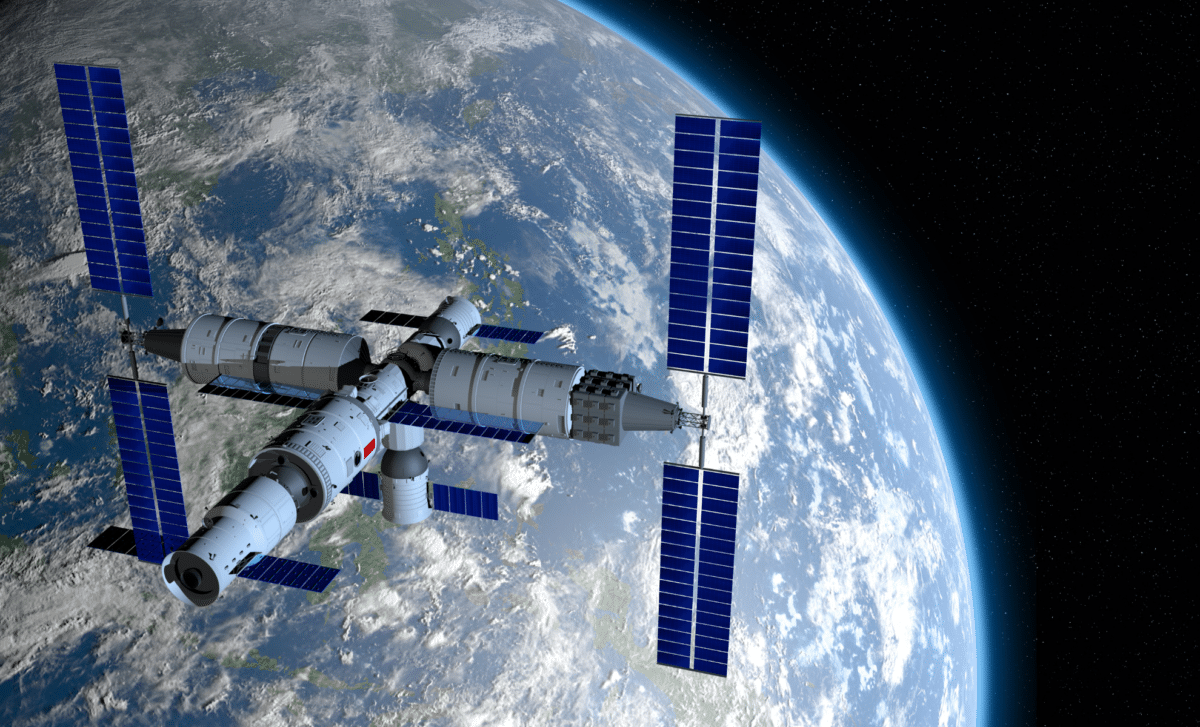
China is rapidly enhancing its capabilities in space exploration by intensifying research on technologies geared toward extracting resources beyond Earth. This initiative is part of a larger strategy to explore the vast wealth available on asteroids and other minor celestial bodies.
China’s Bold Plan for Extraterrestrial Mining
China Aerospace Science and Technology Corporation (CASC) has set a clear mandate to boost development in space resource utilization. Their efforts focus on advancing technology that enables the detection and extraction of materials from asteroids and smaller planetary objects. While the prospect of mining in space holds great promise, it also brings forth several significant technical hurdles. According to CGTN, these challenges include the minimal gravitational forces and unpredictable terrain found on asteroids, complicating traditional mining approaches. To counter these obstacles, researchers are innovating robotic solutions tailored for such extreme and variable environments to ensure effective resource retrieval.
Asteroids are a prime target for these efforts due to their richness in valuable elements like platinum, gold, and other precious metals. The ability to extract these materials from space could revolutionize supply chains on Earth by providing access to scarce resources. However, low gravity, vast distances, and severe space conditions demand specially engineered robotic systems. These machines must operate reliably in near-weightless settings, withstand intense temperature fluctuations, and resist radiation exposure, making them indispensable for successful extraterrestrial mining operations.

Robotic Innovations Transforming Space Mining
A groundbreaking development in China's space mining initiative is a specially engineered robotic system developed by experts at China University of Mining and Technology. This six-legged robot, designed for operation in microgravity, marks a major advancement. Half of its legs are equipped with claw mechanisms while the remaining half have wheels. The claws are engineered to securely grip often rugged and unstable asteroid surfaces, with each claw capable of exerting up to 200 newtons of force—combining to a total gripping strength of 600 newtons to firmly anchor the robot while it gathers samples.
This versatility allows the robot to adapt to diverse terrain types encountered on asteroids. Wheeled legs enable rapid movement over smooth areas, enhancing operational efficiency. Powered by electricity, researchers are actively developing methods to harness and store energy from local resources found in space, ensuring the robot and its instruments can sustain prolonged missions.
Such advanced robotics are crucial to overcoming the unique difficulties of mining in space. Beyond movement and sample collection, these systems must process materials in environments where conventional mining equipment is ineffective.
The Rising Significance of Space-Derived Resources
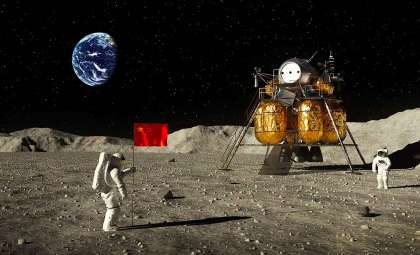
China’s investment in space mining technology is driven not only by scientific curiosity but also by the potential economic benefits of accessing off-world resources. Among the most promising materials is helium-3, a scarce isotope believed to be a potential fuel for future nuclear fusion energy production. Helium-3, abundant in lunar regolith, offers the promise of clean, virtually limitless energy.
In addition to helium-3, asteroids harbor plentiful quantities of metals such as platinum, gold, and nickel. Extracting these resources could alleviate Earth’s dwindling supplies and satisfy growing industrial demands. Harnessing space materials could profoundly impact the global economy, potentially reshaping traditional mining industries.
Though space mining technologies are still developing, the long-term prospects are vast. By continuing to advance these innovations, China aims to establish itself as a leading contributor in this emerging sector, potentially unlocking a new frontier of resource acquisition.
China’s Space Missions Set the Stage for Mining Breakthroughs
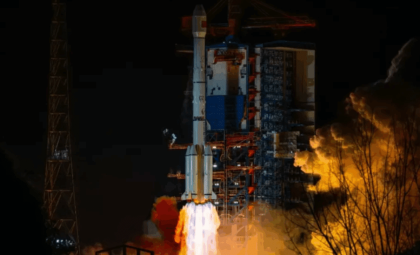
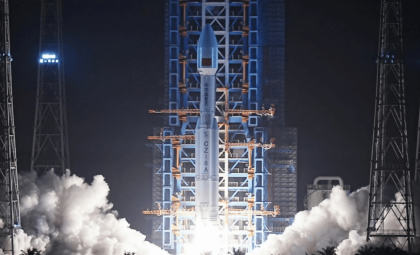
China’s space mining ambitions align with its comprehensive exploration agenda. In May 2025, it launched the Tianwen-2 spacecraft, its first mission dedicated to investigating asteroids. The probe targets the near-Earth asteroid 2016 HO3 and plans to retrieve over 100 grams of surface material. These samples will provide critical insights into asteroid composition and guide future mining strategies.
Following this, Tianwen-2 embarks on a seven-year expedition to examine a main-belt comet designated 311P. Gaining detailed knowledge of these bodies will help forge the technological foundation necessary for future resource extraction. These pioneering missions play a vital role in both expanding scientific understanding and developing practical tools essential for harvesting extraterrestrial materials.
- Categories:
- Space






0 comments
Sign in to Comment