
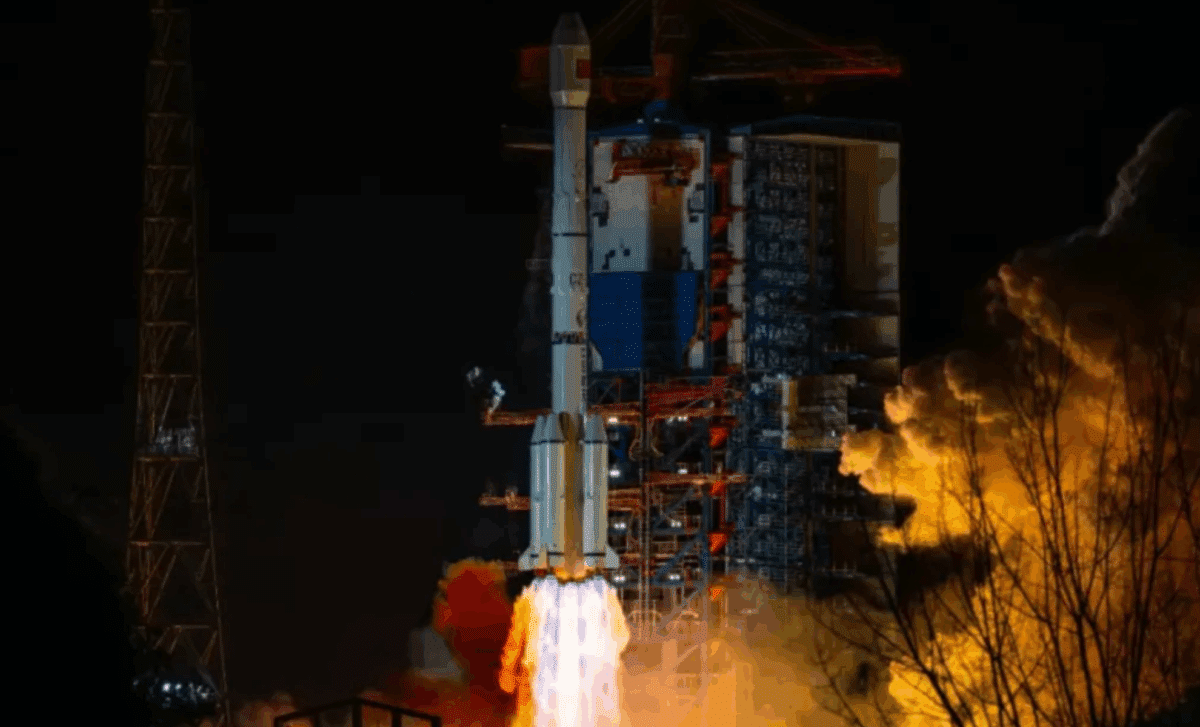
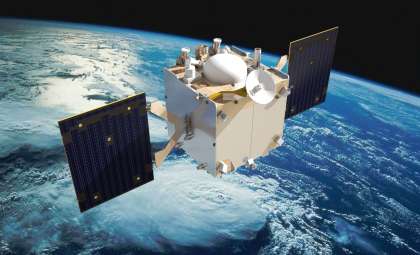
China has marked a significant breakthrough in space technology by successfully separating its experimental Shijian-21 and Shijian-25 satellites while orbiting in geosynchronous orbit (GEO). This achievement follows an extended period of discreet on-orbit refueling experiments, offering new possibilities for the future conduct of space missions.
China’s Shijian Satellites: Leading Innovations in Space Refueling and Satellite Servicing
The precise docking and later disengagement of the Shijian-21 and Shijian-25 satellites in GEO marks a historic progression in space technology. These satellites spent months operating closely, performing tests that appear to involve in-space refueling and adjustments to their orbital planes. Such advances are crucial as they enable satellites to be refueled or repositioned without relying on expensive and intricate ground operations, potentially redefining the longevity and upkeep of vital GEO satellites used for weather forecasting, communications, and military intelligence.
Designed by the Shanghai Academy of Spaceflight Technology (SAST), China’s Shijian satellites are pioneering techniques for satellite servicing in orbit, including fuel replenishment and orbital modifications. Successfully applying these technologies could dramatically minimize costs related to launching new satellites or retiring outdated ones. This advancement holds significant potential for sectors like global navigation and telecommunications, where extending the functionality of costly satellites would be immensely beneficial.

The Dual-Use Nature of Refueling Tech: Implications for Civil and Military Space Use
The opacity surrounding details from China’s space organizations about the refueling tests has sparked some apprehension. As highlighted by SpaceNews, the dual civilian and military applications of this technology raise concerns regarding future space policy and security. While on-orbit refueling supports peaceful objectives like sustaining weather satellites and advancing space research, the capability to rendezvous and manipulate space objects also has unmistakable military implications, especially given the strategic value of GEO satellites for missile defense, communications, and surveillance.
This accomplishment in in-orbit refueling is more than a technical feat; it signifies a shift in the strategic balance of power in space. As nations like China, the U.S., and Russia expand their extraterrestrial capabilities, satellites equipped for refueling and repositioning may increase orbital activities, heightening the risk of conflict. This development intensifies the need for international agreements and regulations to govern space operations and avoid disputes beyond Earth.
Shijian-25: Revolutionizing Satellite Longevity and Economics
Unlike the Shijian-21 mission, which mainly focused on guiding a retired satellite to a disposal orbit, Shijian-25 tested technologies aimed at boosting satellite endurance through on-orbit refueling. Launched in January 2025, Shijian-25 demonstrated how replenishing fuel in space could extend the working life of GEO satellites, which in turn could drastically cut down the frequency and expense of new satellite launches.
These pioneering tests with Shijian-25 may pave the way for commercial satellite servicing, enabling older spacecraft to be renewed or adapted for fresh roles. This innovation offers satellite operators, particularly in telecom and Earth observation, new opportunities to conduct sustainable and cost-effective space missions.
Strategic Implications: Enhancing Military Capacity via On-Orbit Servicing
China’s investment in on-orbit satellite servicing has consequences far beyond lengthening satellite functionality. By developing capabilities for mid-space refueling and maintenance, China is strengthening its competitive stance in the expanding space race. While these technologies serve civilian and commercial purposes, their military ramifications are significant.
Over recent years, China has progressively advanced its space tech to include systems useful in peaceful and potential conflict scenarios. The ability to maintain and refuel military satellites in orbit will increase their durability and flexibility, posing new strategic considerations for global space security as China’s military space assets become increasingly capable.
- Categories:
- Space







0 comments
Sign in to Comment