
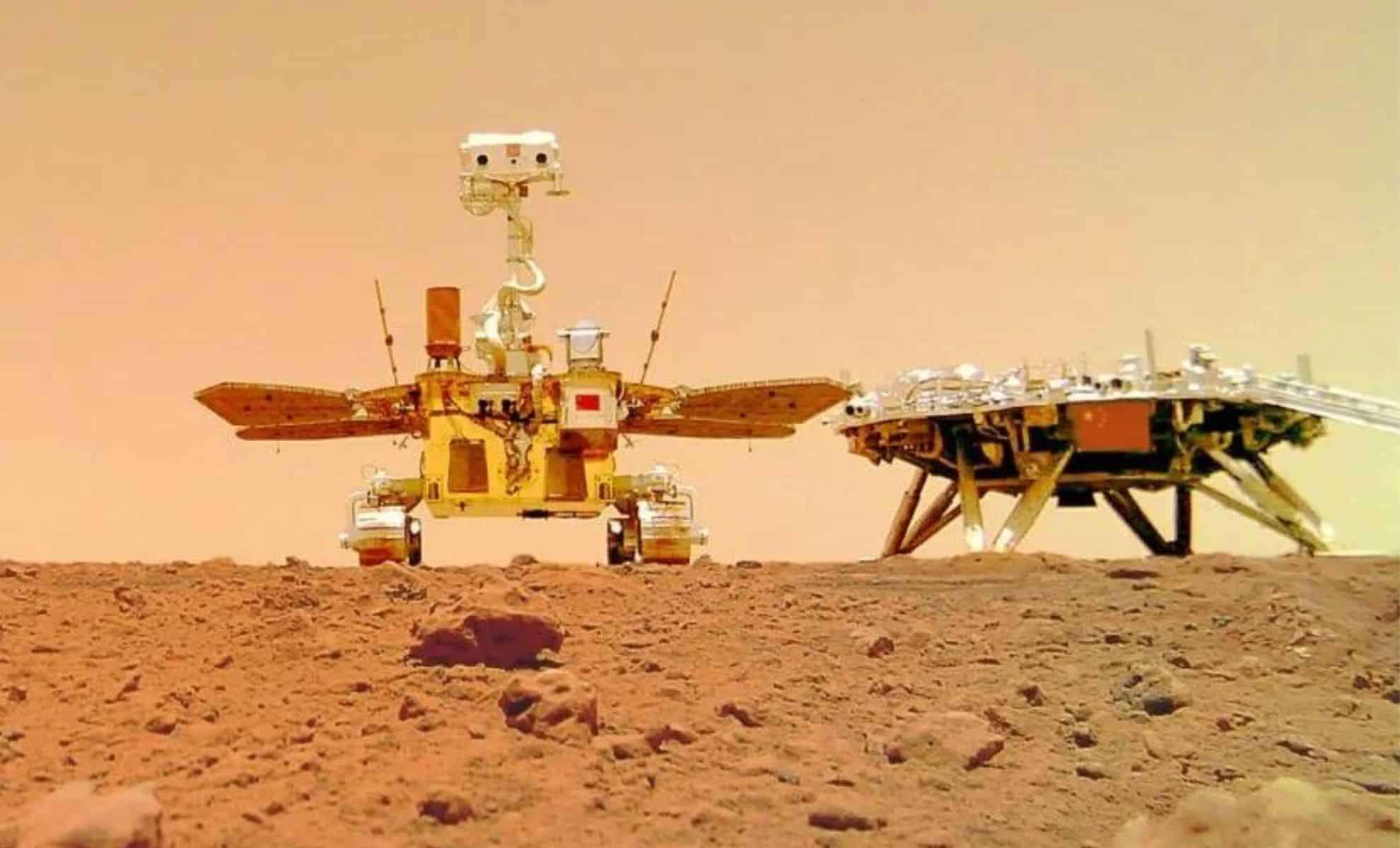
China is gearing up to launch its ambitious Tianwen-3 mission, targeted for around 2028, with the goal of bringing samples from Mars back to Earth.
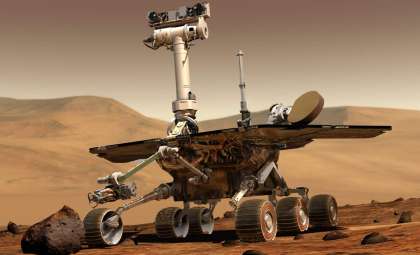
Building on the achievements of earlier projects like Tianwen-1, which successfully placed the Zhurong rover on Mars, this new mission takes China's planetary exploration to a new level.
The plan for Tianwen-3 was revealed by Liu Jizhong, the mission’s lead architect, at the second International Deep Space Exploration Conference held in Huangshan City, Anhui Province, on September 5, 2024. This mission is a critical step forward in planetary science, focusing on uncovering Mars’ biological potential and geological history.

Key Goals: Detecting Traces of Life on Mars
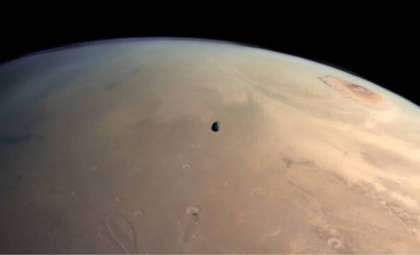
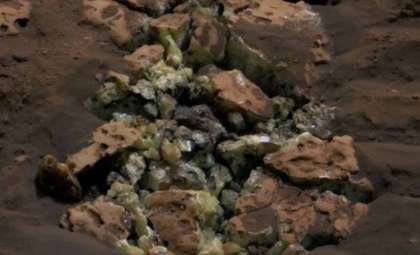
The central aim of Tianwen-3 is to investigate possible signs of life on the Red Planet by collecting and analyzing soil and rock specimens. Liu Jizhong highlighted that the mission will prioritize regions with strong geological and astrobiological importance, including sites such as Amazonis Planitia, Utopia Planitia—the landing spot of the Tianwen-1 Zhurong rover—and Chryse Planitia.
Scientists are particularly interested in areas where sedimentary deposits, ancient hydrothermal activity, and historic lakes may have preserved biological indicators, making these locations especially valuable for study. Detailed examination of these samples on Earth aims to shed light on Mars’ past environments, geologic processes, and its habitability.
Tianwen-3’s Design: Two Separate Launches
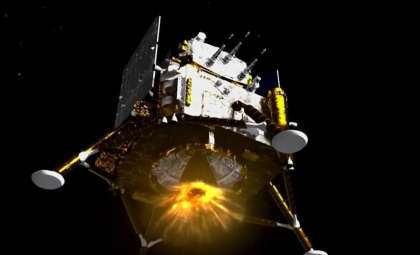
Tianwen-3 features a sophisticated mission design involving two separate launches using China’s Long March 5 rockets. One launch will deliver a lander and ascent vehicle to Mars, which will collect samples from the surface. The other launch will send an orbiter equipped with a return capsule, which remains in orbit awaiting the ascent vehicle.
After gathering soil and rock, the lander’s ascent vehicle will lift off from Mars and dock with the orbiting return module. This complex rendezvous must be executed with high precision to secure the samples for the journey home. The return module will then travel back to Earth, where scientists will conduct in-depth analyses.
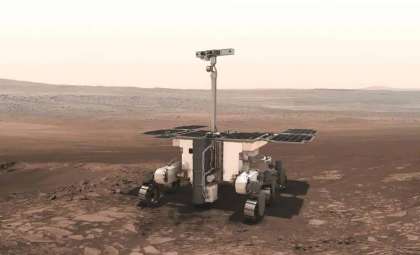
The mission may incorporate advanced tech like a helicopter and a six-legged robot, reminiscent of NASA’s Ingenuity helicopter. These devices could extend the mission’s reach, capturing samples from a variety of terrains further from the landing zone, enhancing scientific discoveries.
Addressing Technical and Planetary Protection Challenges
The Tianwen-3 project confronts formidable technical obstacles and planetary protection demands. A key challenge is launching samples from Mars' surface—an unprecedented achievement requiring the ascent vehicle to surmount Mars’ gravity, meet the orbiter, and safely transfer the samples in space.
Additionally, the mission must rigorously follow international planetary protection protocols to avoid contaminating Mars with Earth life or bringing hazardous Martian material back to our planet. China pledges adherence to standards set by the Outer Space Treaty and the Committee on Space Research (COSPAR), necessitating sterilized spacecraft and cautious handling of returned samples.
Though these challenges are substantial, they highlight China’s advancing expertise in space technology and planetary science. The success of Tianwen-3 could open doors to more intricate missions and deepen our understanding of Mars as a possible host for life.
Global Collaboration and Shared Scientific Endeavors
China stresses that international partnership will be vital for the Tianwen-3 mission. The Chinese National Space Administration (CNSA) intends to cooperate with scientists worldwide by distributing mission data, sample materials, and findings. This mirrors China’s previous openness, exemplified by the Chang’e-5 lunar mission, which provided lunar samples for global research.
The mission will also include joint development and deployment of scientific instruments through international collaborations. By engaging with foreign partners, China aims to boost the mission’s scientific impact and share research benefits globally. Looking ahead, China has proposed establishing a Mars research station as an international hub for Mars exploration.
Looking Ahead: China’s Expanding Space Exploration Vision
Tianwen-3 fits within China’s expansive strategy for planetary missions. Following Tianwen-1 and its Zhurong rover, and the forthcoming Tianwen-2 asteroid sample-return mission, China is targeting further milestones. The Tianwen-4 mission, planned for approximately 2030, aims to explore Jupiter, marking a step into deeper space.
As China advances its space ambitions, Tianwen-3 represents not only a critical mission to unlock Mars’ mysteries but also a reinforcement of international collaboration in the quest to understand the cosmos.
- Categories:
- Astronomy ,
- News ,
- Science ,
- Space






0 comments
Sign in to Comment