
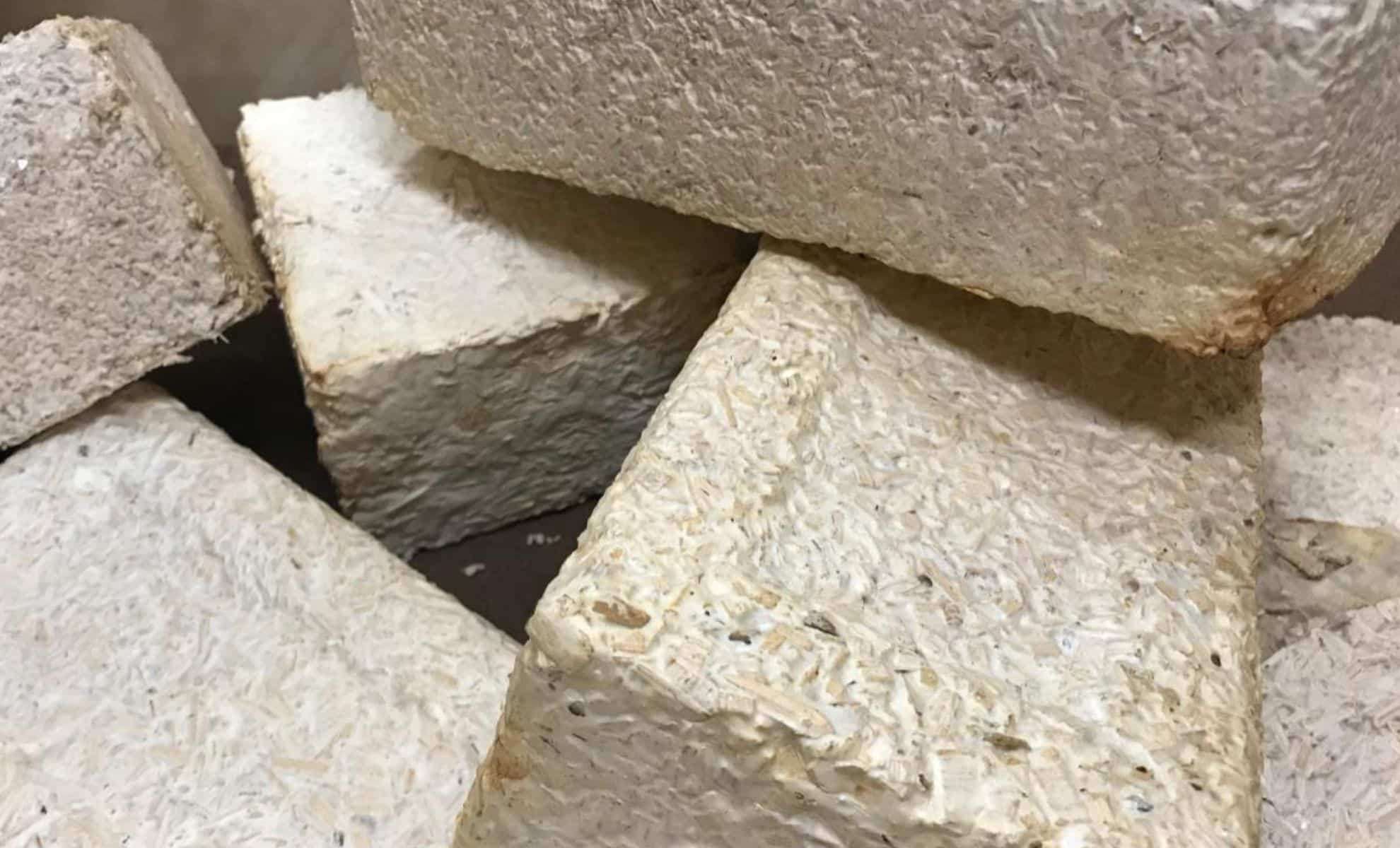
NASA is advancing novel methods for constructing habitats in space by utilizing fungi through its Mycotecture Off Planet initiative, targeting sustainable living on the Moon, Mars, and beyond.
Pioneered by researchers at NASA’s Ames Research Center, this cutting-edge project marks a transformative stride in eco-friendly space exploration and habitat creation.
Fungi-Inspired Structures: Revolutionizing Space Habitat Design
The Mycotecture Off Planet initiative investigates the use of fungal mycelium—the fine filaments that compose fungi—to cultivate living habitats in extraterrestrial environments. This pioneering technique capitalizes on fungi’s natural traits to build lightweight, eco-conscious, and potentially self-repairing structures. The project has secured a Phase III award from NASA’s Innovative Advanced Concepts (NIAC) program, receiving $2 million spread over two years to enhance this technology further.

Conventional approaches to Mars habitats require hauling extensive materials all the way from Earth, a process both expensive and resource-heavy. As emphasized by Lynn Rothschild, the project’s lead investigator, "Currently, Mars habitats resemble a turtle carrying its shell — dependable but energy-intensive." The Mycotecture concept offers an innovative substitute: "We aim to use mycelium to grow these living spaces naturally once astronauts arrive."
Mechanics Behind Mycelium-Based Habitats
The plan involves transporting dormant fungal spores capable of withstanding prolonged space travel. Upon landing, crews would assemble lightweight scaffoldings and initiate fungal growth by hydrating the spores. The mycelial networks then expand around these frameworks, forming complete functional structures and drastically cutting down the need to transport heavy building components from Earth.
The habitat design features a triple-layer dome. The outermost shell is composed of frozen water ice, which provides protection from harmful radiation. Nestled within this icy shield, cyanobacteria harness sunlight to generate oxygen and nutrients that feed the internal mycelium layer. This synergy offers structural robustness alongside sustainability and self-sufficiency. To ensure longevity and prevent contamination, the fungal material is subsequently heat-treated, inactivating the organisms inside.
Progress and Earth-Based Benefits
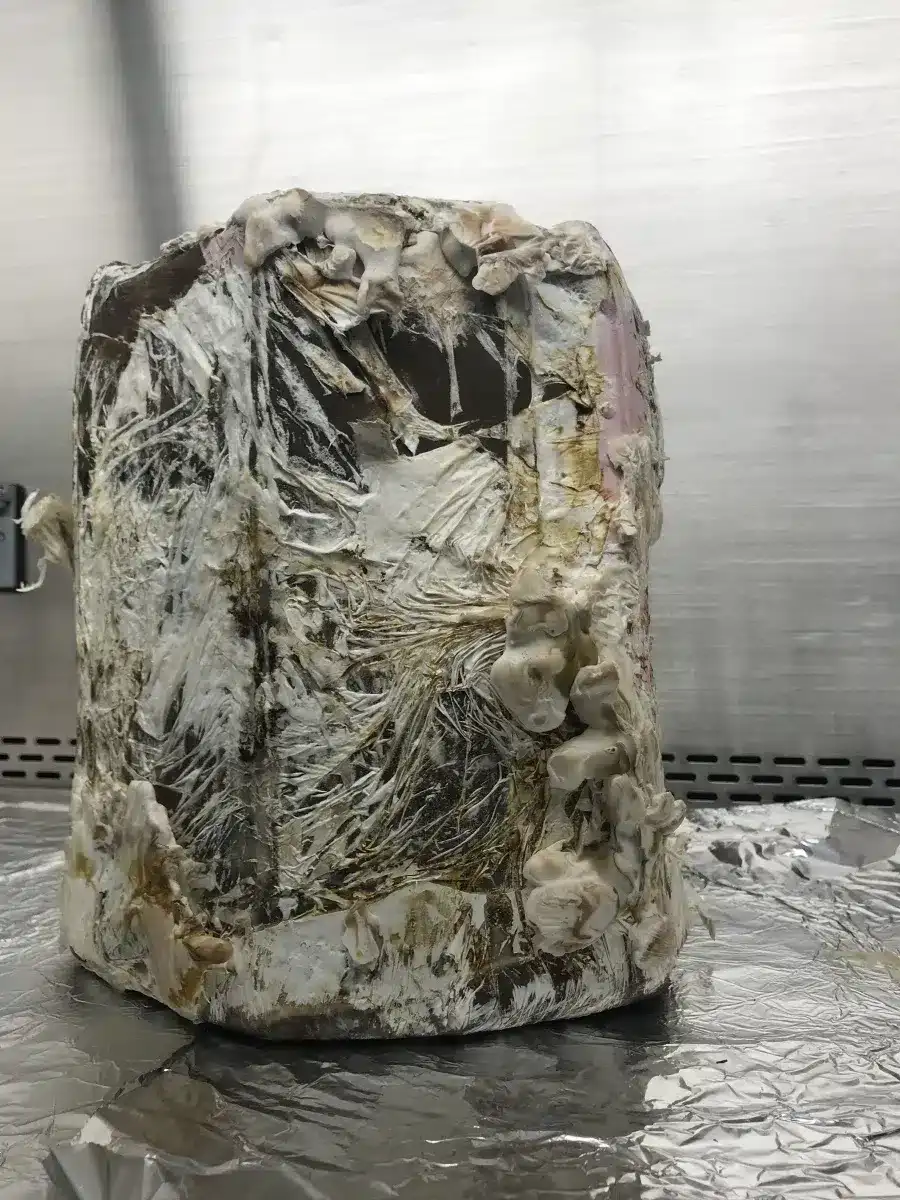
Though primarily intended for space use, this fungal material technology has exciting implications for terrestrial applications. Mycelium has seen experimental use in water purification, enhancing soil carbon capture, and serving as a sustainable construction material. Such fungal biocomposites could potentially replace conventional concrete, helping to lower the construction sector’s carbon footprint significantly.
NASA Administrator Bill Nelson remarked, “Our space technology teams and the NIAC program foster groundbreaking ideas that turn the impossible into reality. This research propels our Artemis missions, enabling humanity to return to the Moon to inhabit, innovate, and explore further to Mars and beyond.”
Mycelium’s versatility extends beyond space habitats. On Earth, it offers an eco-friendly alternative for building materials, acts as a flame retardant, boosts soil’s carbon sequestration capacity, and aids in decomposing plastics, highlighting its environmental value.
Challenges and Outlook
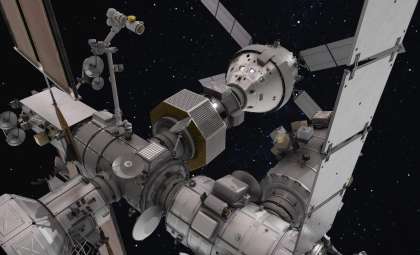
Developing mycelium-based habitat technology faces hurdles including ensuring durability and resilience in harsh space environments. The research team is dedicated to fine-tuning material characteristics and preparing for experiments in low Earth orbit. Potential future uses include integration into commercial space stations and extraterrestrial living quarters on the Moon and Mars.
“We are focused on pioneering technologies that support astronaut transportation, habitat construction, and critical research,” said Walt Engelund, associate administrator for NASA’s Space Technology Mission Directorate. “Our ongoing investments nurture innovations that will benefit industry, our agency, and humanity as a whole.”
The Phase III NIAC award provides vital funding for advancing the design of mycelium-based habitats and conducting simulations under space-like conditions. These developments are essential to ensuring that future habitats can endure the extreme environments found on the Moon and Mars.
Innovative Thinking Driving the Future of Space Exploration
The Mycotecture Off Planet project exemplifies how creative research and forward-thinking approaches can transform space living solutions. By leveraging the extraordinary capabilities of fungi, NASA is forging sustainable, efficient ways to build habitats off-world. This work promises to both propel human spaceflight and foster sustainable practices on Earth.
As NASA continues advancing the frontiers of exploration, initiatives like Mycotecture Off Planet underscore the significance of visionary projects and pioneering research. With sustained support, fungal-based habitats could play a pivotal role in humanity’s venture to the Moon, Mars, and beyond, enabling life to flourish on new worlds.







0 comments
Sign in to Comment