
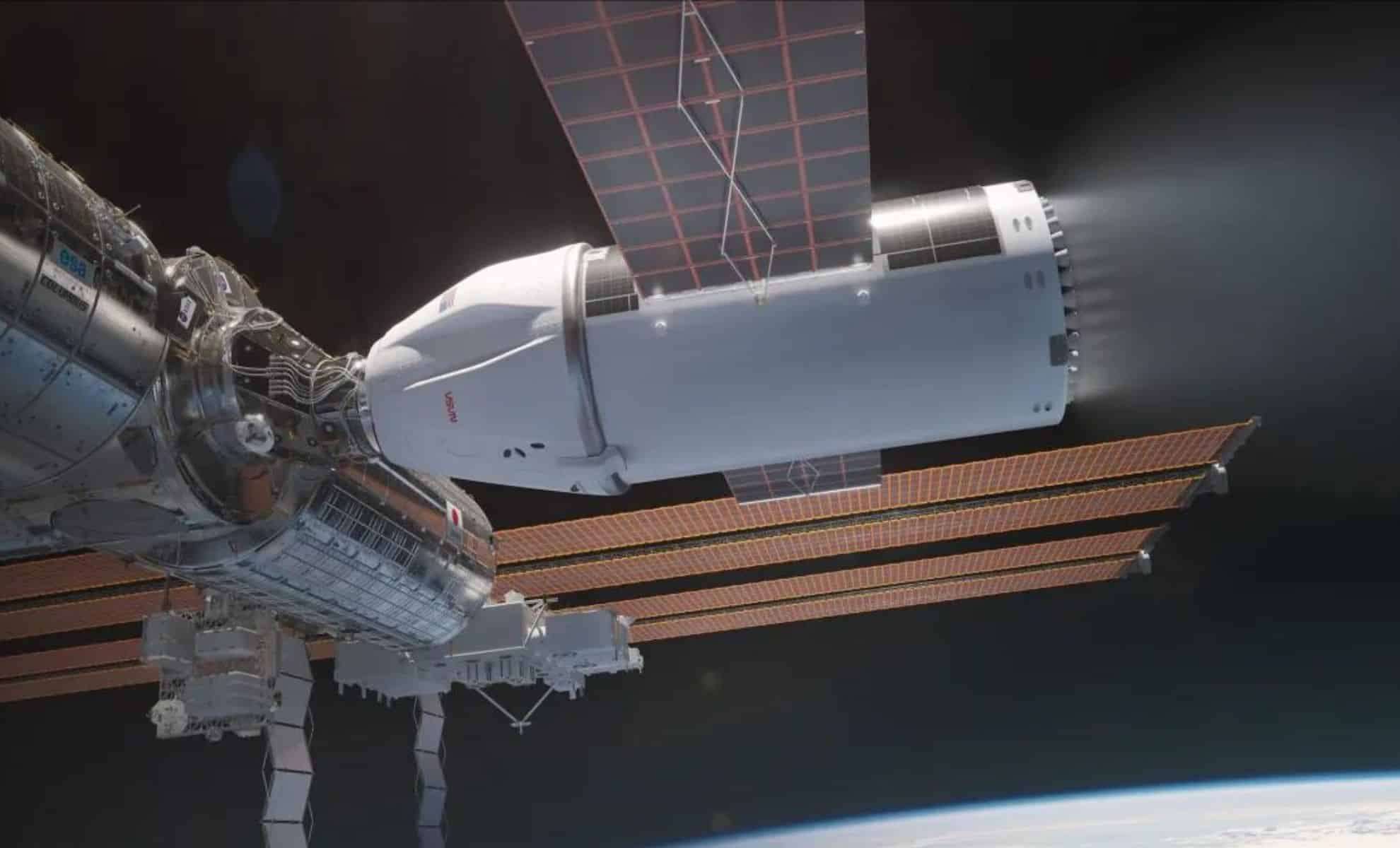
With the International Space Station (ISS) nearing the conclusion of its mission, NASA and SpaceX have developed a detailed strategy to bring the enormous orbital facility down safely.
This plan focuses on managing the station’s reentry to minimize any hazards to inhabited regions and facilitate the shift toward upcoming space habitats.
Why Deorbiting the ISS is Necessary
Since its 1998 launch, the ISS has stood as a beacon of global scientific collaboration. It has been a platform for extensive experiments and technological progress. Yet, after over three decades, signs of wear are apparent.

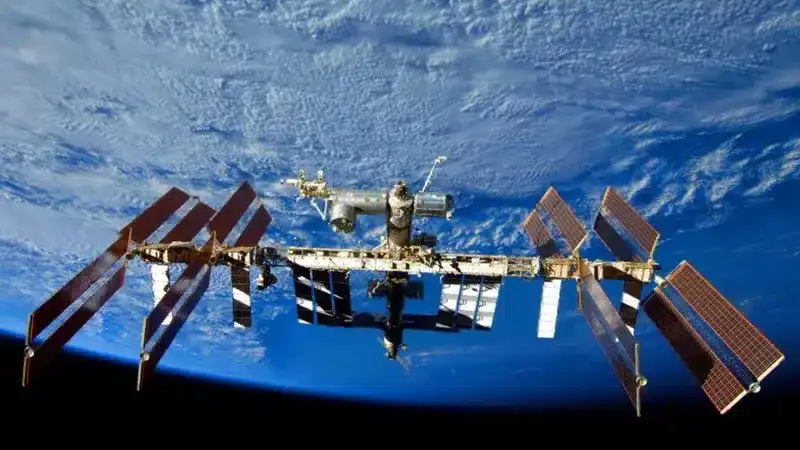
Many of its components have outlived their original intended lifespans, making upkeep increasingly challenging and costly. The ISS is anticipated to reach the end of its operational viability by 2030, demanding a safe deorbiting solution. This aligns with NASA’s initiative to hand over low Earth orbit activities to commercial enterprises, freeing up the agency to concentrate on deep space exploration missions targeting the Moon and Mars.
Crafting the Deorbit Solution
NASA awarded SpaceX an $843 million contract to build a dedicated deorbit vehicle based on the Dragon design. Known as the United States Deorbit Vehicle (USDV), this craft will be a significantly adapted version of the Dragon capsule, featuring an extended trunk equipped with extra thrusters and fuel tanks, boosting its capability to safely shepherd the ISS through reentry.
Sarah Walker, who oversees Dragon mission operations at SpaceX, explained that the upgraded trunk will be double the size of the typical Dragon trunk and house 46 Draco thrusters. She remarked, “It’s almost a spacecraft in and of itself.” These enhancements are crucial for managing the considerable forces involved in decreasing the ISS’s orbit and ensuring its controlled fall.
Guaranteeing a Safe Return
Controlling the ISS’s descent poses a significant technical challenge. Orbiting roughly 400 kilometers above Earth, the station naturally loses altitude without periodic boosts from visiting vehicles, eventually leading to an uncontrolled atmospheric reentry.
To circumvent this, NASA and SpaceX aim to employ the USDV to methodically reduce the ISS orbit to about 330 kilometers over six months. This careful lowering will be closely tracked to guarantee maximum accuracy and safety. During the final stage, the vehicle will steer the ISS into a designated atmospheric reentry corridor over uninhabited stretches of the South Pacific or Indian Ocean, minimizing risk from any debris.
USDV Technical Details
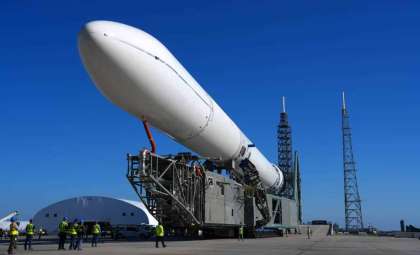
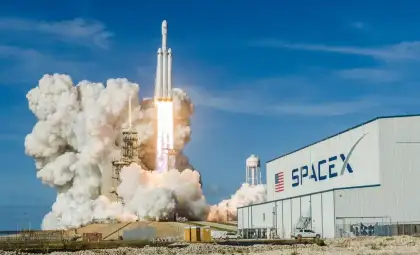
The USDV is engineered to address the specific challenges of ISS deorbiting. Weighing over 30,000 kilograms filled with roughly 16,000 kilograms of propellant, it surpasses the standard Dragon’s size and power. Launching the USDV will require a larger booster, potentially more powerful than the Falcon 9 used in typical Dragon flights.
This advanced vehicle will have a propulsion system robust enough for precise deorbit maneuvers. The USDV is planned to launch approximately 18 months prior to reentry, dock with the ISS, undergo system checks, and then commence controlled descent operations. This extended lead time ensures system reliability and mitigates unforeseen problems.

From ISS to Commercial Orbital Stations
NASA’s approach to deorbiting the ISS integrates with a wider plan to transfer low Earth orbit stewardship to commercial operators. By encouraging the development of private orbital stations, NASA envisions cultivating a sustainable space economy with multiple stakeholders managing habitats in orbit.
This shift will enable NASA to dedicate efforts toward missions beyond Earth’s vicinity, targeting the Moon and Mars. Deorbiting the ISS marks a key step in this evolution, proving the effectiveness of commercial partnerships in complex space operations while fostering innovation and cost reduction across the aerospace sector.
- Categories:
- Astronomy ,
- News ,
- Space ,
- Nasa ,
- Aircraft




0 comments
Sign in to Comment