
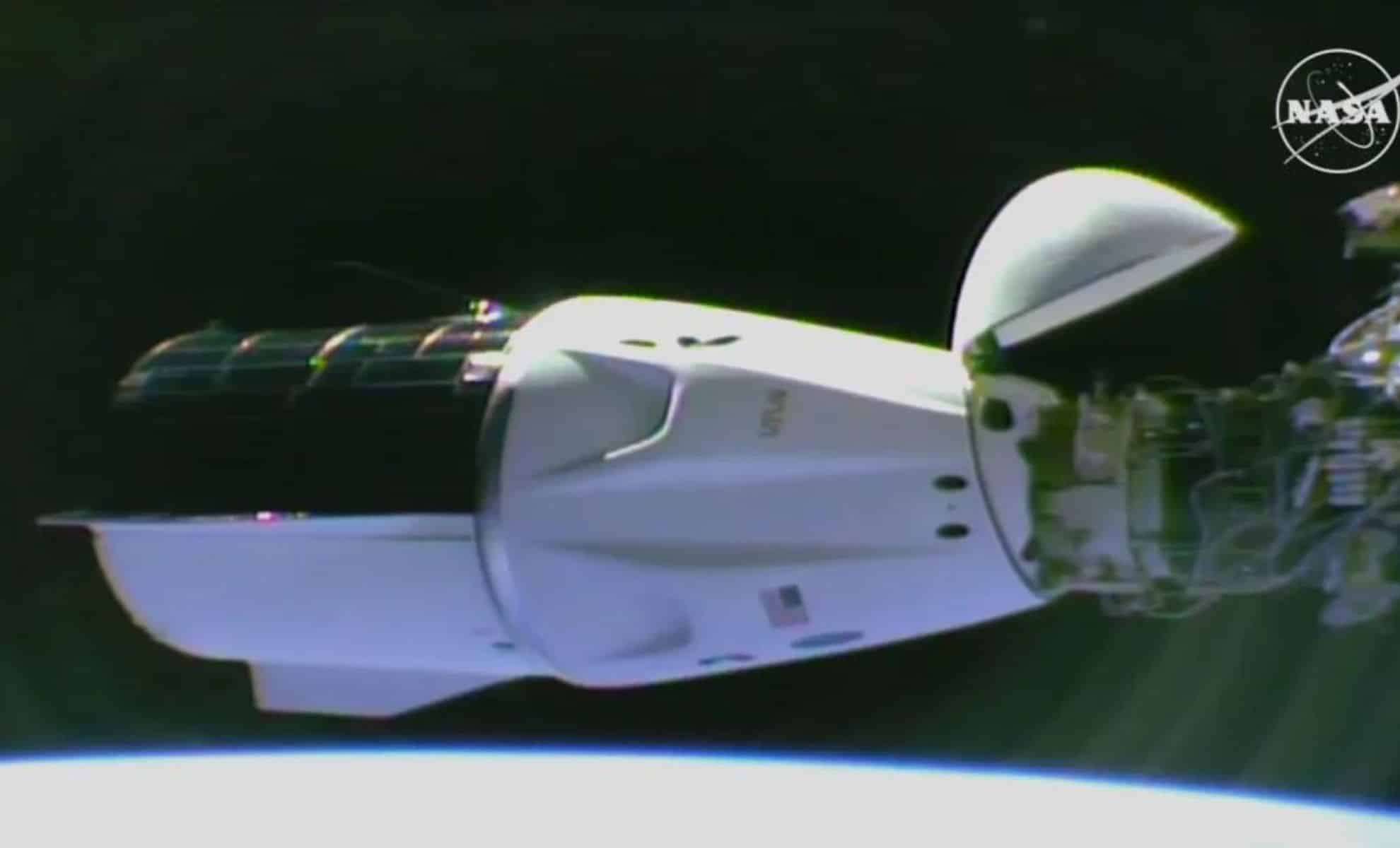
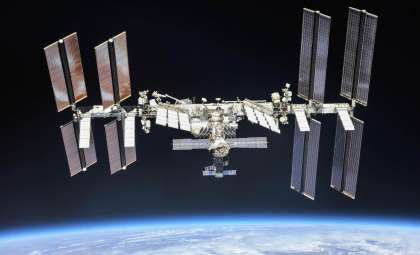
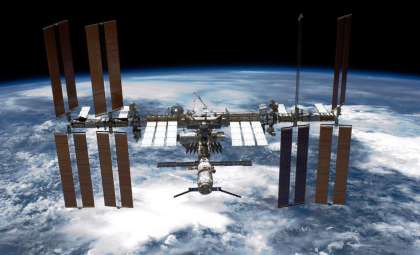
SpaceX’s Crew-9 mission achieved a smooth arrival at the International Space Station (ISS) on Sunday, marking a key advancement in NASA’s crewed spaceflight initiatives.
The Dragon spacecraft transported two astronauts, Nick Hague and Aleksandr Gorbunov, alongside two vacant seats reserved for Suni Williams and Butch Wilmore, who have been residing on the station since June. Their space mission is now extended into 2025 as they continue their valuable research and tasks in orbit.
This mission underscores SpaceX’s expanding contribution to NASA’s low-Earth orbit endeavors, as these astronauts join an international crew engaged in crucial scientific investigations aboard the ISS.

SpaceX Strengthens Role in Astronaut Transportation
The Crew-9 flight exemplifies the ongoing partnership between NASA and SpaceX under the Commercial Crew Program. Launching from Cape Canaveral Space Force Station on Saturday, two astronauts were delivered to the ISS in the Dragon capsule, which included empty seats for Suni Williams and Butch Wilmore, awaiting return transport after their extended mission delay earlier this year.
The Dragon capsule successfully docked with the ISS, welcoming Nick Hague and Aleksandr Gorbunov to join their colleagues aboard. The combined crew of nine will collaborate on numerous research projects and maintenance efforts, planning to return in early 2025. The capsule will also facilitate the eventual return of Williams and Wilmore, whose stay was prolonged beyond the original schedule.
Launch Challenges with Falcon 9 Second Stage
Although the Crew-9 mission reached its objectives, SpaceX reported an anomaly with the Falcon 9 rocket’s second stage. The segment, responsible for accelerating the capsule into orbit, underwent an unexpected “off-nominal deorbit burn” during re-entry. Despite this, the stage safely splashed down in the Pacific Ocean but fell short of the targeted splash zone.
SpaceX has temporarily suspended further Falcon 9 launches while investigating the incident’s root cause. This pause could affect upcoming missions as the company prioritizes resolving this issue. Meanwhile, the Dragon spacecraft carrying Nick Hague and Aleksandr Gorbunov completed the journey without additional complications.
Hague shared his feelings upon arrival: “Coming through the hatch and seeing all the smiles, and as much as I’ve laughed and cried in the last 10 minutes, I know it’s going to be an amazing expedition.” His words echo the crew’s enthusiasm, looking ahead to months of scientific collaboration and station upkeep.
SpaceX’s Increasing Influence in Human Spaceflight
Since launching its first crewed mission in 2020, SpaceX has become integral to NASA’s astronaut transport system to the ISS. The Dragon vehicle has established a track record of dependability, elevating SpaceX as a leading provider after hurdles delayed alternative options.
NASA’s preparations for future orbital and deep-space missions emphasize the necessity of reliable commercial partners. SpaceX’s consistent delivery of astronauts to the ISS ensures steady progress in human space exploration ambitions.
Extending Astronauts’ Time on the Space Station
Suni Williams and Butch Wilmore have adapted to their prolonged stay aboard the ISS, which was initially planned as a brief visit but has evolved into a long-term mission. Williams described the microgravity environment as her “happy place,” revealing her ease and familiarity with space life.
The extended timeline allows additional participation in experimental work ranging from biological investigations to advanced materials research. Such studies bear significance for both extraterrestrial missions and terrestrial applications.
With the arrival of Nick Hague and Aleksandr Gorbunov, the space station now hosts nine astronauts from various global space agencies. Together, they will continue joint efforts to advance knowledge of space living and the technologies essential for sustained exploration.
This diverse crew epitomizes international cooperation, with the ISS serving as a cornerstone for scientific breakthroughs and preparations for future journeys to the Moon and Mars.








0 comments
Sign in to Comment