
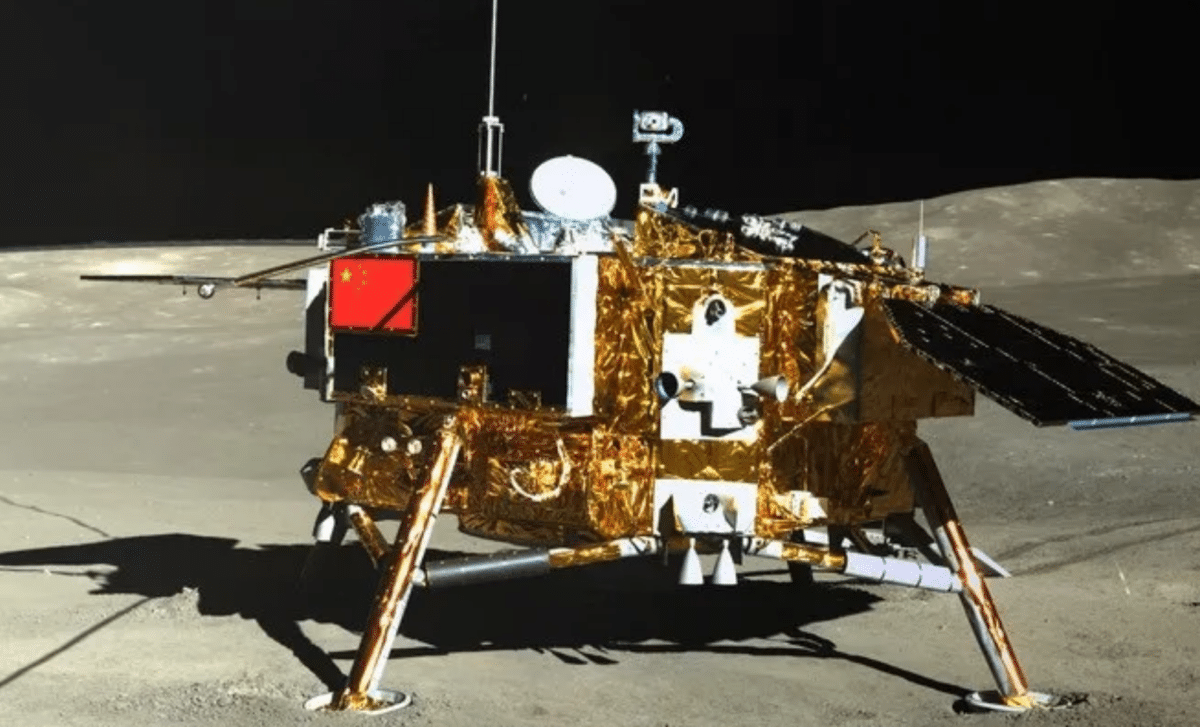
The forthcoming Chang’e-7 expedition from China is set to transform the global and scientific dynamics of lunar exploration. This bold project will focus on the Moon’s south pole, deploying a variety of robotic technologies aimed at examining water ice, a vital asset for future deep-space endeavors. Beyond its scientific objectives, this mission marks a strategic advancement in China’s expansive space ambitions to secure a long-lasting presence on the Moon.
Advancing China’s Lunar Ambitions to a New Chapter
As part of China’s “Phase Four” lunar initiative, the Chang’e-7 project exemplifies a progressive and meticulously executed exploration strategy pursued over the last twenty years. This phased program has included orbiters, robotic landers, rovers, and sample return missions, clearly moving from initial exploration toward establishing a continuous lunar presence.
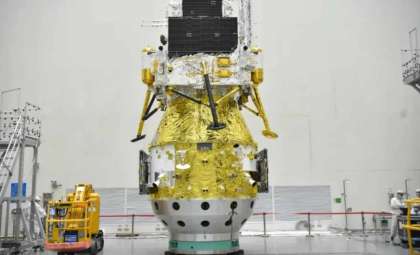
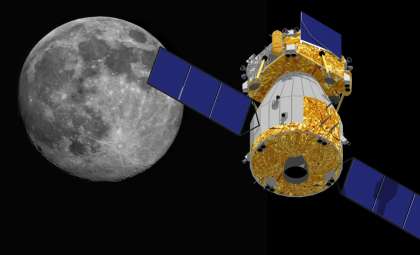
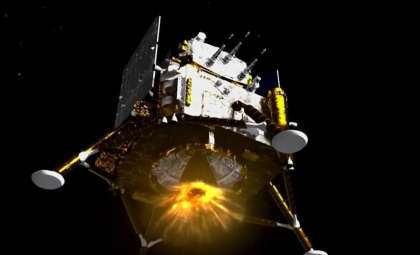
Unlike earlier missions, Chang’e-7 incorporates a sophisticated mission design featuring an orbiter, rover, a small hopping probe, alongside a relay satellite to maintain communication from the Moon’s far side back to Earth. This comprehensive system will investigate the Moon’s permanently shadowed south pole regions, which are of high scientific interest due to their potential deposits of ancient water ice. These light-deprived areas have been shielded for billions of years and could hold invaluable clues to the solar system’s volatile history, while also providing practical water sources for future missions.

Intertwining Science and Strategy at the Moon’s South Pole
While the mission’s primary focus is research, Chang’e-7’s objectives reveal China’s long-term vision extends far beyond merely studying the lunar surface. According to Space Explored, this endeavor will enable highly accurate landings in challenging terrain, support prolonged autonomous operations on the surface, and crucially, engage in thorough resource assessment. These capabilities are essential technical steps toward developing lunar habitats.
The choice of the lunar south pole is deliberate. This area offers regions with near-constant sunlight ideal for solar energy generation, alongside deep craters potentially harboring persistent water ice. Such conditions make it a prime candidate for future permanent lunar installations. With NASA’s Artemis program also focusing on this region, the south pole is swiftly becoming a hotspot in a new era of lunar competition, emphasizing sustained presence and resource acquisition rather than pioneering exploration.
Chang’e-7’s Innovative Hopping Probe: Unlocking Shadowed Craters
A standout feature of the Chang’e-7 mission is its hopping probe, designed to access terrain rover wheels cannot reach. The Moon’s permanently shadowed craters, areas that remain in eternal darkness, present extreme challenges to conventional vehicles. The hopping probe promises to deliver the first direct measurements from these elusive zones.
This advanced technology is more than just an engineering feat; it may provide essential data on the presence of usable water ice deposits. A successful deployment will set a new standard in mobility for lunar exploration focused on resource harvesting. It also signals China’s commitment to developing transport technologies essential for the extraction and utilization of lunar materials, aligning with its goal of establishing a lunar base.
Building the Foundation for Lunar Habitats
Chang’e-7 sets the stage for the upcoming Chang’e-8 mission, which aims to experiment with in-situ resource utilization technologies and potentially demonstrate 3D printing techniques using lunar soil. The overarching objective is to create an International Lunar Research Station (ILRS), envisioned as a collaborative project involving China and international partners. These missions form part of a strategic plan extending beyond exploration, laying groundwork for a permanent lunar infrastructure.
China’s ambitions align with those of Russia, India, Japan, and the European Space Agency, all of whom are accelerating their lunar programs. However, China distinguishes itself through rapid implementation—while other nations are still planning, China is actively constructing. With the Chang’e-7 mission, this effort transcends routine Moon landings, aiming to catalyze a new space-based economy.
Heralding A New Era of Space Exploration
As noted by Space Explored, the Moon has evolved from being a symbol of achievement to a platform for enduring operations. Present-day lunar missions like Chang’e-7 are judged not by fleeting footprints, but by continuous activity, resource utilization, and the development of lasting infrastructure.
The ultimate message of Chang’e-7 is clear: China does not intend to merely visit the Moon—it plans to remain. Whether viewed through scientific, geopolitical, or technological lenses, this mission marks a pivotal turning point in humanity’s efforts to expand beyond Earth. The Moon, once a final destination, now serves as a crucial hub for future ventures, and China is asserting its role at the forefront.
- Categories:
- Space










0 comments
Sign in to Comment