
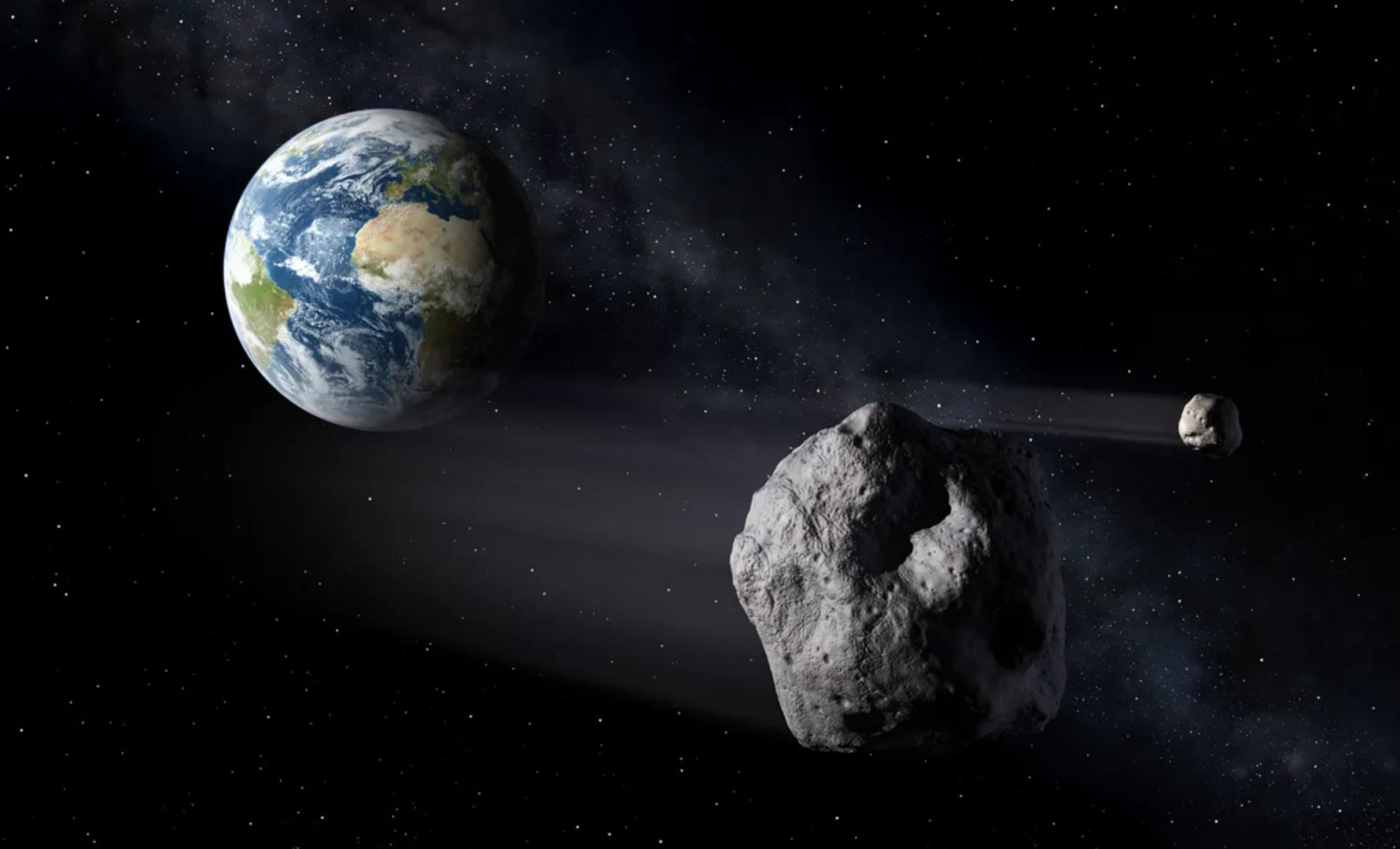
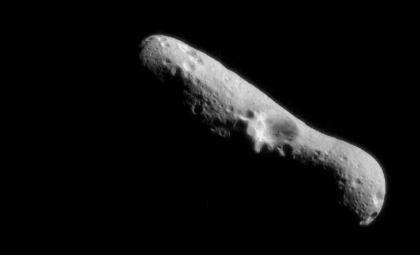
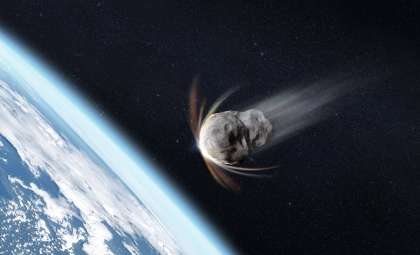
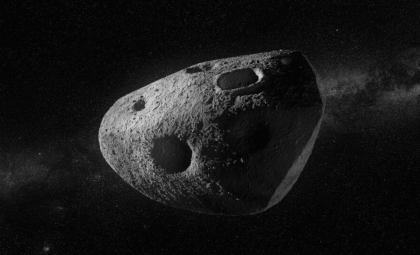
A huge space rock called Apophis is set to make a close but harmless approach to Earth in 2029, presenting a historic chance to observe a large asteroid traveling visibly across our sky, as detailed by NASA and other planetary researchers. This unique event will let scientists and enthusiasts around the globe witness an extraordinary near-Earth asteroid encounter monitored over many years.
The asteroid 99942 Apophis, approximately 1,100 feet wide, will pass by at a distance of nearly 20,000 miles from Earth’s surface on April 13, 2029. This proximity is closer than numerous geostationary satellites, making the asteroid accessible to both professional and hobbyist astronomers in various places worldwide.
Preparing for Apophis’ Remarkable 2029 Close Approach
Since its initial discovery in 2004, Apophis has been intensively tracked due to early forecasts suggesting a potential future impact, later refuted by updated data that dismissed any collision risk in 2029. These ongoing observations have enhanced scientists’ grasp of the asteroid’s trajectory.

NASA has played a key role in monitoring Apophis through planetary defense initiatives aimed at identifying and following near-Earth objects. Their precision tracking has refined orbital predictions and laid groundwork for extensive scientific investigation during the flyby.
The encounter will provide an exceptional chance for spacecraft missions, radar, and telescopic systems to study Apophis’ physical properties and how Earth's gravity might affect it, offering insights generally unattainable for distant asteroids.
Binzel, discussing the event, highlighted that while the flyby is predicted to be safe, uncertainties remain. "We simply don’t know what’s going to happen," he said during a recent workshop. "Apophis may pass by uneventfully, or it might show surprising effects."
“That's why observations are essential,” he added. “Regardless of the outcome, we’ll gain valuable knowledge.”
Global Visibility of a Rare Celestial Visitor
The 2029 event is anticipated to draw worldwide attention as Apophis will shine brightly enough to be spotted without sophisticated equipment in many regions. Unlike typical near-Earth asteroids, often only identified as faint dots through powerful telescopes, Apophis will visibly traverse the night sky over hours.
Astronomer and science communicator Kelly Fienberg noted that Apophis’ proximity will make its motion easily discernible. “It will certainly be noticeable,” Fienberg told Space.com. “Unlike a satellite that crosses the sky in minutes, Apophis will take hours to move and appear as a pinpoint of light.”
How Apophis looks will vary based on observational conditions such as location and weather, but the event is expected to engage observatories and the public worldwide, offering a rare opportunity to experience planetary science firsthand.
This close approach also highlights advancements in tracking near-Earth objects: decades ago, such a close pass by a large asteroid would have been unpredictable. Now, international networks can accurately monitor and forecast these encounters.
Insights into Asteroid Behavior from Earth’s Gravitational Influence
Scientists are eager to observe if Earth’s gravity alters the asteroid’s rotation, surface features, or internal makeup during this close approach. The encounter will provide measurable data about how such gravitational interactions can modify asteroid characteristics.
This event will serve as a natural experiment for planetary defense research, improving understanding of near-Earth object behavior and aiding preparations for future asteroid discoveries.
Binzel opened the Apophis-focused workshop with a reassuring message repeated three times: “Apophis will safely pass the Earth. Apophis will safely pass the Earth. Apophis will safely pass the Earth.”
This emphasis underscores confidence in current orbit calculations while stressing the critical role of ongoing observation. Scientists see this flyby as a chance to gather valuable data, not a threat to our planet.
- Categories:
- News






0 comments
Sign in to Comment