
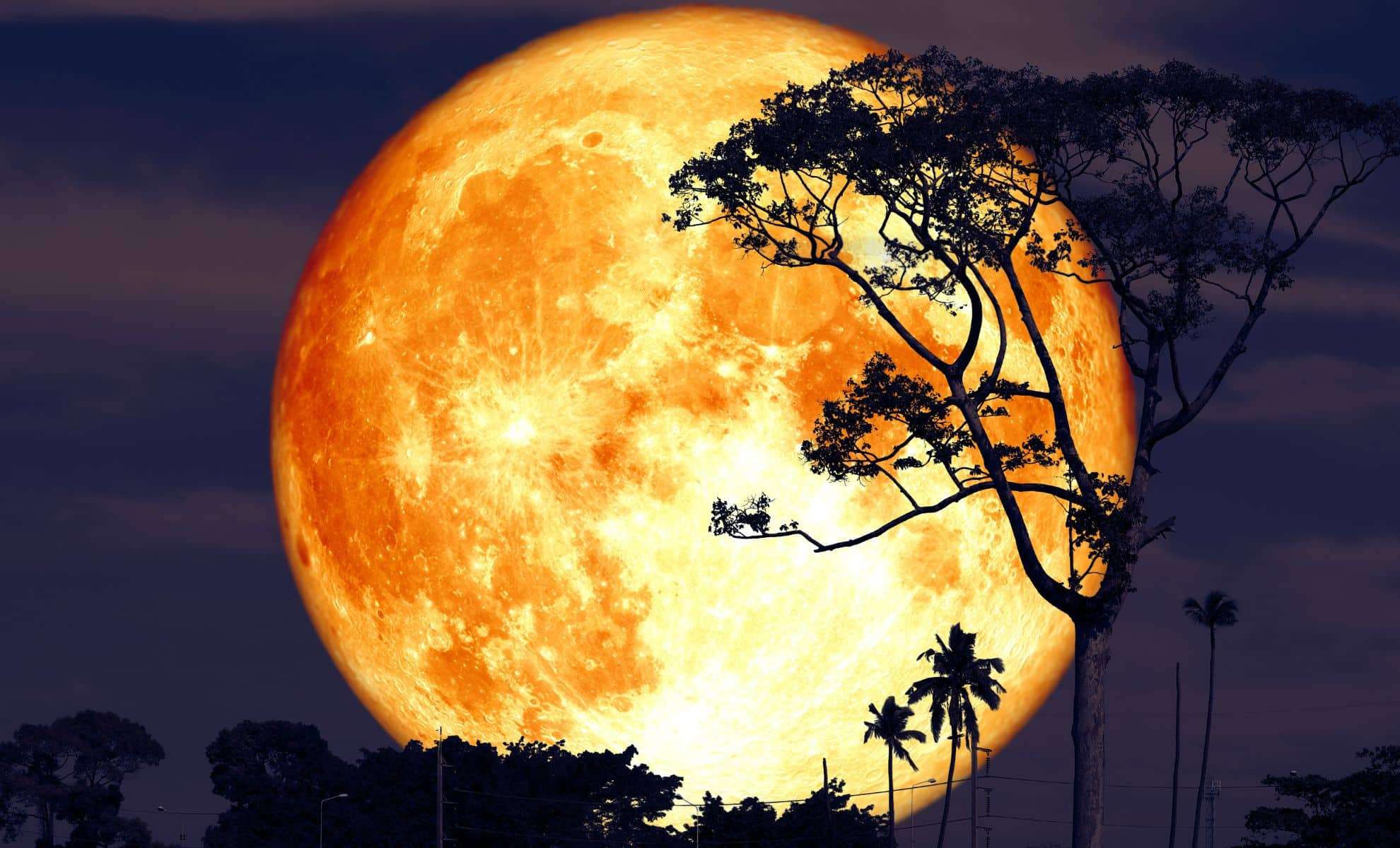
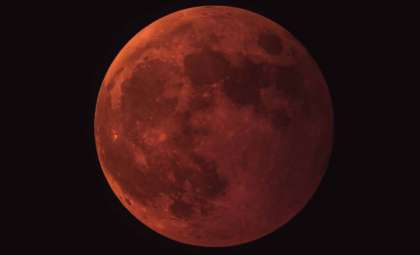
The full Buck Moon will illuminate the night sky on July 10, 2025, standing out as one of summer’s most captivating celestial events. This moon’s name stems from the period when male deer, or bucks, begin growing new antlers, a tradition honored by Native American cultures for centuries. Beyond its visual allure, the Buck Moon symbolizes seasonal transformation and natural development. These lunar occurrences attract scientific interest, as they are closely linked to cosmic and environmental cycles. According to the Old Farmer’s Almanac, the Buck Moon represents summer’s climax—a season of warmth, growth, and renewal—echoing themes recognized in both ancient lore and modern astronomy. Research reveals that full moons like this one help scientists decode seasonal patterns and the influence of lunar phases on life on Earth. As the 2025 Buck Moon approaches, it’s an excellent opportunity to appreciate its meaningful connection to the universe.
Decoding the Buck Moon: Its History and Symbolism
The Buck Moon refers to the full moon that appears in July, traditionally signaling the time when male deer begin to sprout new antlers. This lunar event coincides with the height of summer, marking a season of vigorous growth in nature. The name gained popularity through the Maine Farmer’s Almanac in the 1930s, which introduced a series of full moon names inspired by natural phenomena. Besides the Buck Moon, other moon names include the “Thunder Moon,” tied to frequent summer storms, and the “Hay Moon,” connected with the hay harvest. Different cultures have long viewed the July full moon as a moment to reflect on nature’s cycles, with the emergence of antlers symbolizing endurance, vitality, and the passage of time.
Timing and Best Places to View the 2025 Buck Moon
July 10, 2025, at 4:37 PM EDT marks the Buck Moon’s official peak. While this exact timing won’t coincide with moonrise for most observers, the moon will appear nearly full soon after it ascends above the horizon. Moonrise times vary across the country; for instance, New York City will see the moon rise at 8:53 PM EDT, while Los Angeles will have its moonrise at 8:32 PM PDT. Across the United States, viewers can expect a stunning sight as the moon appears large and golden near the horizon—a visual effect known as the “moon illusion,” which makes the moon seem much bigger than when it’s higher in the night sky. To get the most spectacular view, seek out dark locations far from urban lights and check local weather forecasts for clear skies.

How the Buck Moon Aligns with Other Astronomical Phenomena
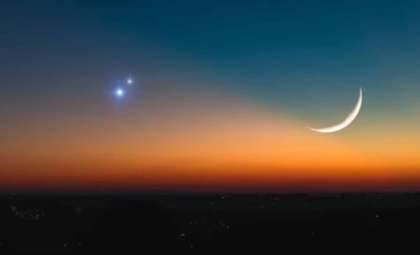
Sky gazers will be treated to more than just the Buck Moon in mid-July. Early on the day following the full moon, Venus and Saturn will become visible in the predawn sky. Venus will shine brightly in the eastern sky, while Saturn will be prominent toward the southeast. This planetary lineup gives observers a breathtaking celestial panorama, highlighting the dynamic nature of our solar system. Those who catch the early morning hours of July 11 will witness the Buck Moon’s glow accompanied by two shining planetary neighbors—an extraordinary astronomical moment.
Tips for Observing the Buck Moon in 2025
To enjoy the Buck Moon at its best, consider a few helpful suggestions. First, select a viewing spot free from artificial lighting, like a park or a remote clearing. Artificial lights diminish the moon’s brilliance and can lessen the size-enhancing “moon illusion.” Second, monitor local weather reports; while places like Chicago and Phoenix may enjoy clear skies, areas such as New York City might have cloud cover, limiting visibility. For the most dramatic effect, catch the moon shortly after it rises, when it appears larger and takes on a rich, golden color near the horizon. Photography enthusiasts and stargazers alike will find this an ideal chance to capture beautiful images of the moon and its nearby planetary companions.
The Buck Moon’s Deep-rooted Cultural Importance
More than a striking lunar event, the Buck Moon is steeped in cultural significance. Native American tribes regarded the July full moon as a powerful symbol of their connection to the natural world. The growth of buck antlers represented renewal and inner strength, embodying the cycles of growth inherent in life. This potent symbolism has endured through centuries, influencing moon names across the calendar year. Unlike many full moon titles tied mainly to farming, the Buck Moon emphasizes the natural world’s wildlife rhythms. Today, it reminds us of the enduring bond between humanity and nature, underscoring life’s ongoing cycles and the shifting seasons.
- Categories:
- News






0 comments
Sign in to Comment