
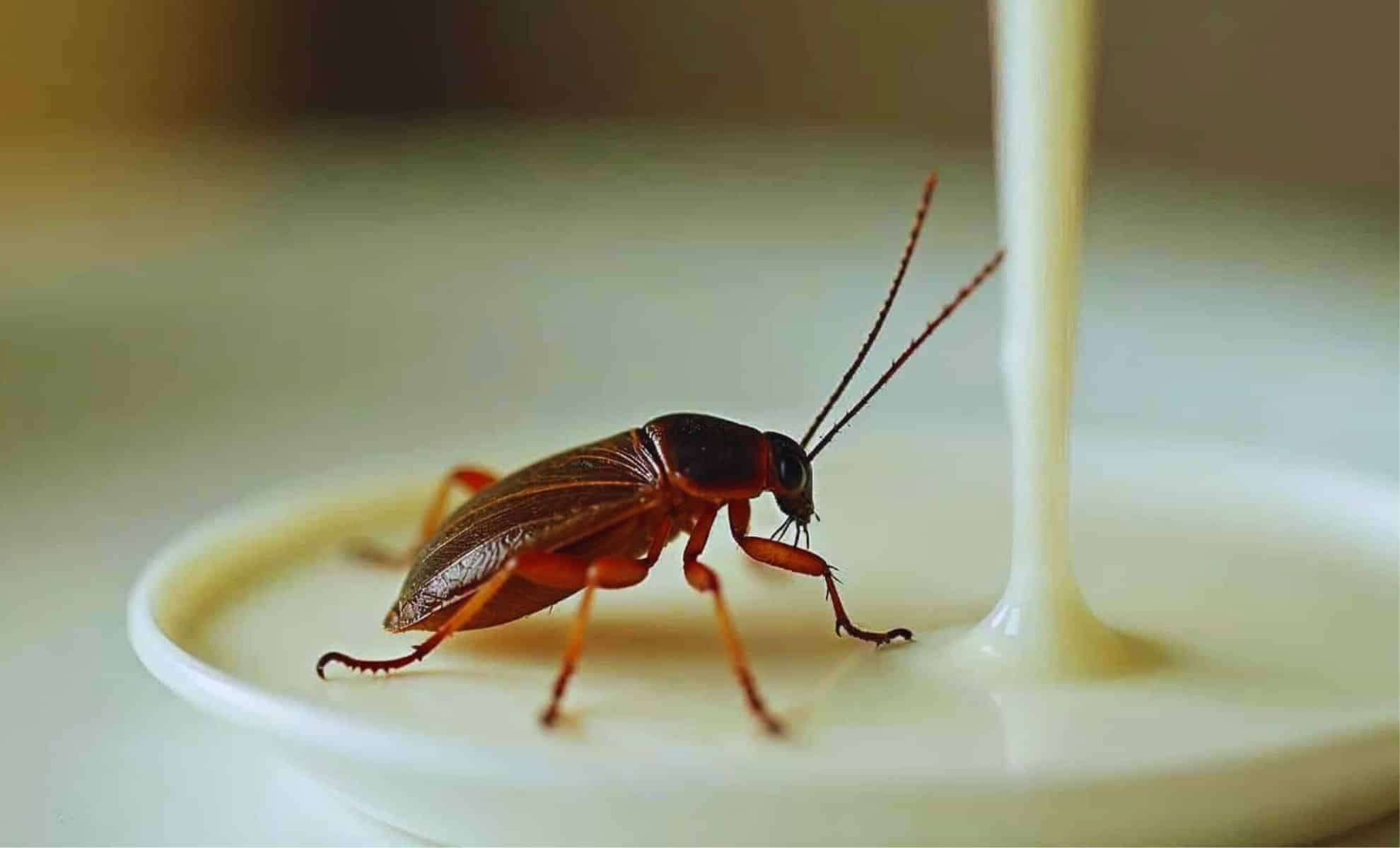
In 2016, scientists from around the world unveiled a groundbreaking structural biology investigation published in IUCrJ that mapped the molecular structure of protein crystals produced by a unique cockroach species, Diploptera punctata. These crystals, which form inside embryos, are incredibly nutrient-packed, prompting experts to consider their potential as a dense, compact source of nourishment.
Using advanced molecular imaging, researchers determined the crystals consist of a highly organized composition of proteins, carbohydrates, and fats, delivering over three times the calories found in buffalo milk per gram. Although drinking "cockroach milk" isn’t imminent, the discovery holds exciting possibilities for food technology, space travel nutrition, and survival sustenance.
An Exceptional Cockroach and Its Rare Nutritional Offering
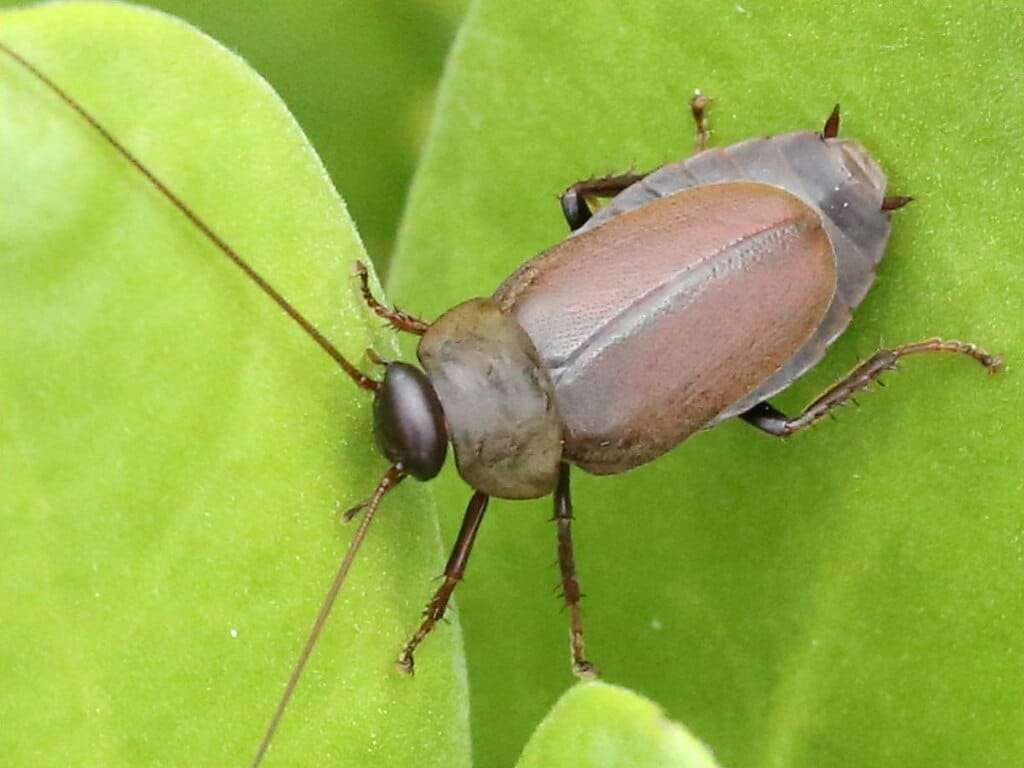
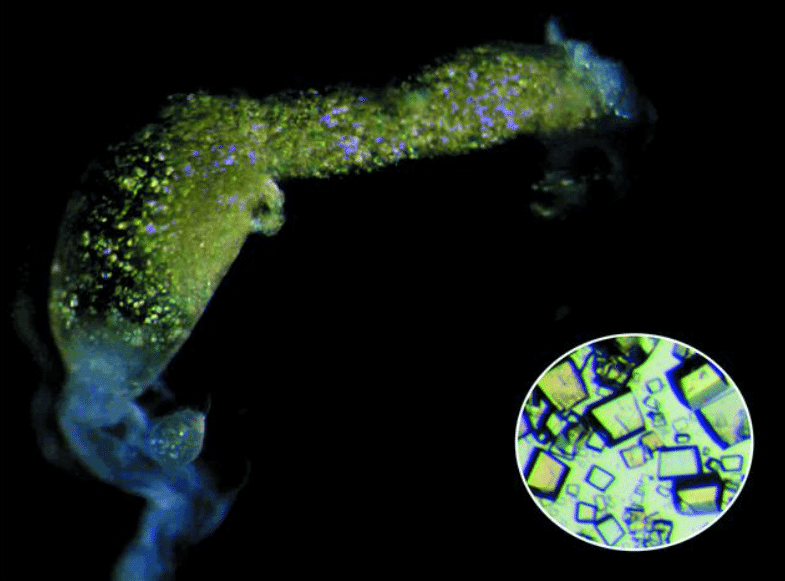
Diploptera punctata, a cockroach native to Pacific areas, stands out as one of the rare insect species that nurtures live offspring as opposed to laying eggs. To support embryonic growth, the mother secretes a milk-like substance that solidifies into crystals within the developing young’s gut. Each of these Lili-Mip protein crystals carries all essential amino acids, alongside lipids and carbohydrates.

The crystals were studied via X-ray diffraction, uncovering a lipocalin fold, lipid binding, and a densely glycosylated structure enabling slow digestion—a rare feature among natural proteins. Co-author Sanchari Banerjee described the crystals as "a complete food," providing both essential nutrients and prolonged nutritional release.
Designed for Extended Nutrient Delivery and High Efficiency
Unlike many supplements that quickly spike and drop blood nutrient levels, these cockroach milk crystals break down gradually, ensuring a steady energy supply. This slow nutrient release results directly from their tightly packed molecular architecture, which releases nutrients slowly as digestive enzymes degrade the crystals over time.
Lead scientist Subramanian Ramaswamy summarized, "This protein offers time-released nutrition. For high-calorie intake delivered progressively and completely, this is ideal." Such a property makes it particularly valuable in scenarios demanding compact, enduring nourishment, like emergency food packs, space missions, or harsh environments.
Beyond Harvesting—Harnessing Molecular Engineering
Despite popular headlines, extracting milk directly from cockroaches is impractical and inefficient. It could require more than 1,000 insects to collect 100 grams of crystals. Therefore, researchers mapped the genes encoding Lili-Mip proteins and are working to produce them via microbial hosts like yeast. This method promises scalable production without relying on insects.
Accomplishing this could introduce a new class of engineered superfoods that are compact, customizable, and shelf-stable, tailored to diverse dietary or medical needs. Biotechnological manufacturing also offers control over the nutrient composition, paving the way for specialized formulations.
Potential Applications—Not Your Everyday Drink
Despite its powerhouse nutrients, cockroach milk is not yet ready for mainstream consumption. Clinical safety trials in humans haven’t been completed, and the calorie density is high—roughly 700 kilocalories per 250 ml, which isn’t aligned with common calorie-controlled diets.
Its strengths lie in niche roles: therapeutic nutrition for malnourished groups, space mission supplies, or emergency rations where stability, shelf life, and nutrient payload are critical. The crystals are exceptionally stable, require no refrigeration, and offer a near-ideal nutrient balance—features rarely matched by standard foods.
Curious about the taste? Some researchers familiar with the crystals claim they have no distinct flavor, providing a minor consolation for those wary of this unconventional food source.
- Categories:
- News







0 comments
Sign in to Comment