

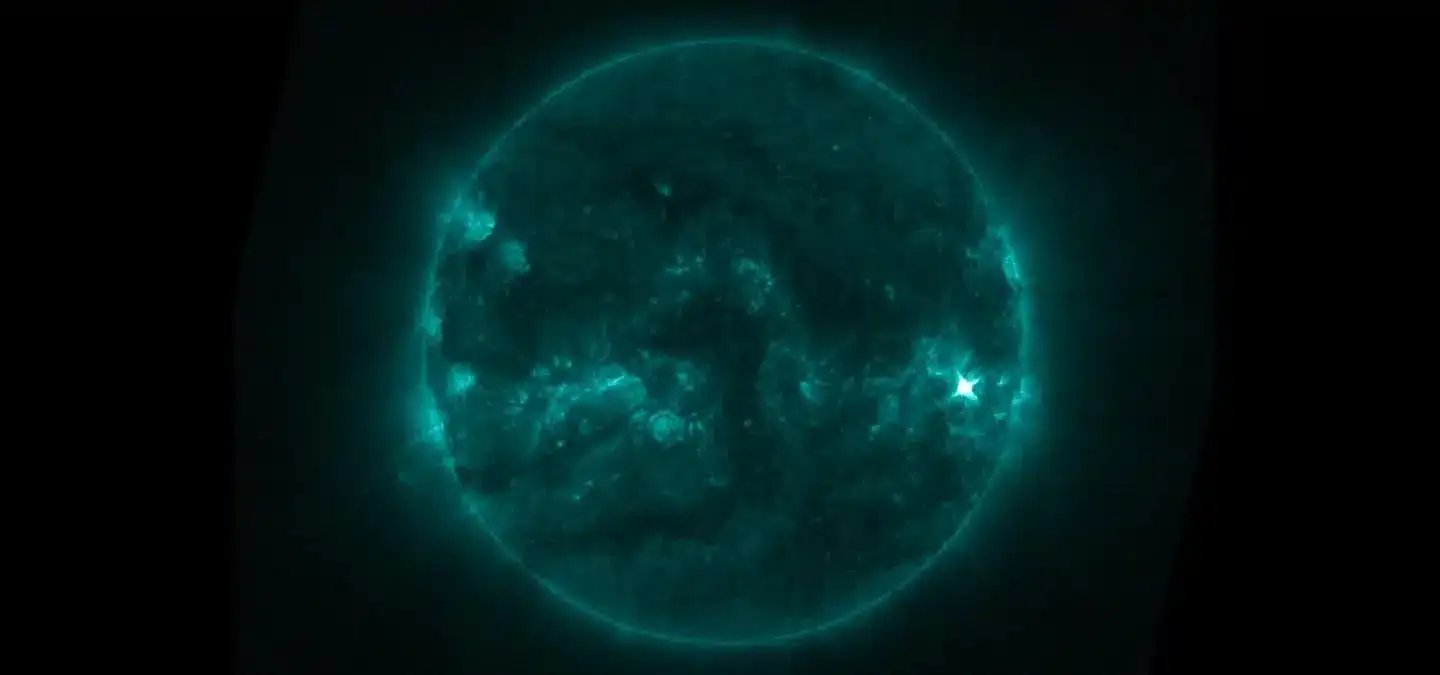
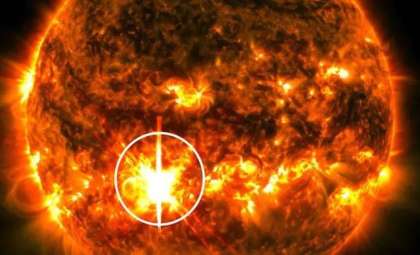
On December 8, 2024, the Sun emitted a formidable X-class solar flare originating from sunspot region 3912, marking one of the most energetic solar eruptions. This intense solar radiation caused widespread disturbances, including a radio blackout affecting southern Africa. Shortly after, a coronal mass ejection (CME) was launched, triggering forecasts for possible aurora borealis at lower-than-usual latitudes. This recent solar activity has sparked excitement among researchers and sky enthusiasts alike, all awaiting the solar storm's consequences on Earth.
Understanding X-Class Solar Flares
X-class solar flares represent the highest classification of solar eruptions, releasing immense energy levels that dwarf more frequent M-class and C-class flares. These flares discharge large quantities of radiation, including powerful X-rays and ultraviolet light, which travel towards Earth, impacting our planet’s upper atmosphere and communication networks. The ionization of the ionosphere from such flares disrupts high-frequency radio communications, essential for long-distance transmissions.
Space weather experts regard the occurrence of these flares with both intrigue and caution. While disruptions caused are usually short-lived, significant concerns remain for vulnerable systems like satellite communication, GPS navigation, and electrical grids. The presence of associated CMEs can further intensify these effects when interacting with Earth's magnetosphere.

Communication Interruptions from the December 8 Flare
The December 8, 2024 X-class flare instantly caused considerable interference to global communication networks. The intense radiation led to ionospheric disturbances responsible for a radio blackout mainly impacting shortwave radio over southern Africa. This disruption affected vital communication channels used in aviation, maritime navigation, and emergency response coordination, where shortwave radio plays a crucial role. Though temporary, such blackouts demonstrate how modern society remains susceptible to the Sun’s volatile behavior.
Extent and duration of communication anomalies vary with flare intensity and the scale of the solar event. In some instances, flares can induce errors in GPS systems, which in turn impact critical infrastructures relying on precise timing, including financial services and power distribution networks.
The Role of the Coronal Mass Ejection and Its Expected Impact
This X-class flare was accompanied by a coronal mass ejection, a vast expulsion of solar plasma and embedded magnetic fields into space. CMEs are key instigators of geomagnetic storms once their charged particles interact with Earth’s magnetic shield. Though the resulting disturbances can affect satellites, power infrastructure, and geomagnetic stability, current projections suggest a moderate effect from this CME, with peak activity likely around December 11.
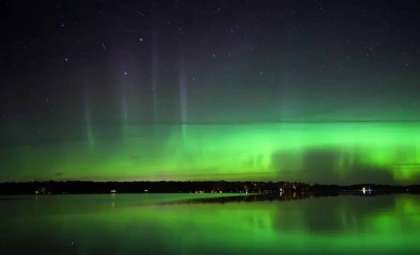
While the direct impact of the CME on Earth may be moderate, this solar episode still presents an excellent chance to observe spectacular auroral activity. These northern lights result from energetic solar particles interacting with our atmosphere, creating vivid displays of green and pink glows that have enchanted humans for generations. Enhanced solar activity during this stage of the solar cycle could enable auroral visibility far beyond usual northern regions, offering rare views to inhabitants of lower latitudes.
Solar Maximum and its Implications
The recent X-class flare highlights the heightened solar activity typical of the Sun’s 11-year solar cycle peak, known as solar maximum. This phase is marked by an upswing in the frequency and potency of solar flares, sunspots, and CMEs, representing a crucial period for solar research as scientists closely track their influence on Earth’s space environment.
As the solar maximum progresses, increased chances for more powerful flares and geomagnetic storms arise. These events may cause intermittent interruptions to communication infrastructure, satellite functionality, and electricity networks. Simultaneously, heightened solar eruptions boost the likelihood of dazzling auroral phenomena visible at latitudes uncommonly far south—potentially delighting observers in regions such as the United States and northern Europe with breathtaking light shows.
- Categories:
- News




0 comments
Sign in to Comment