
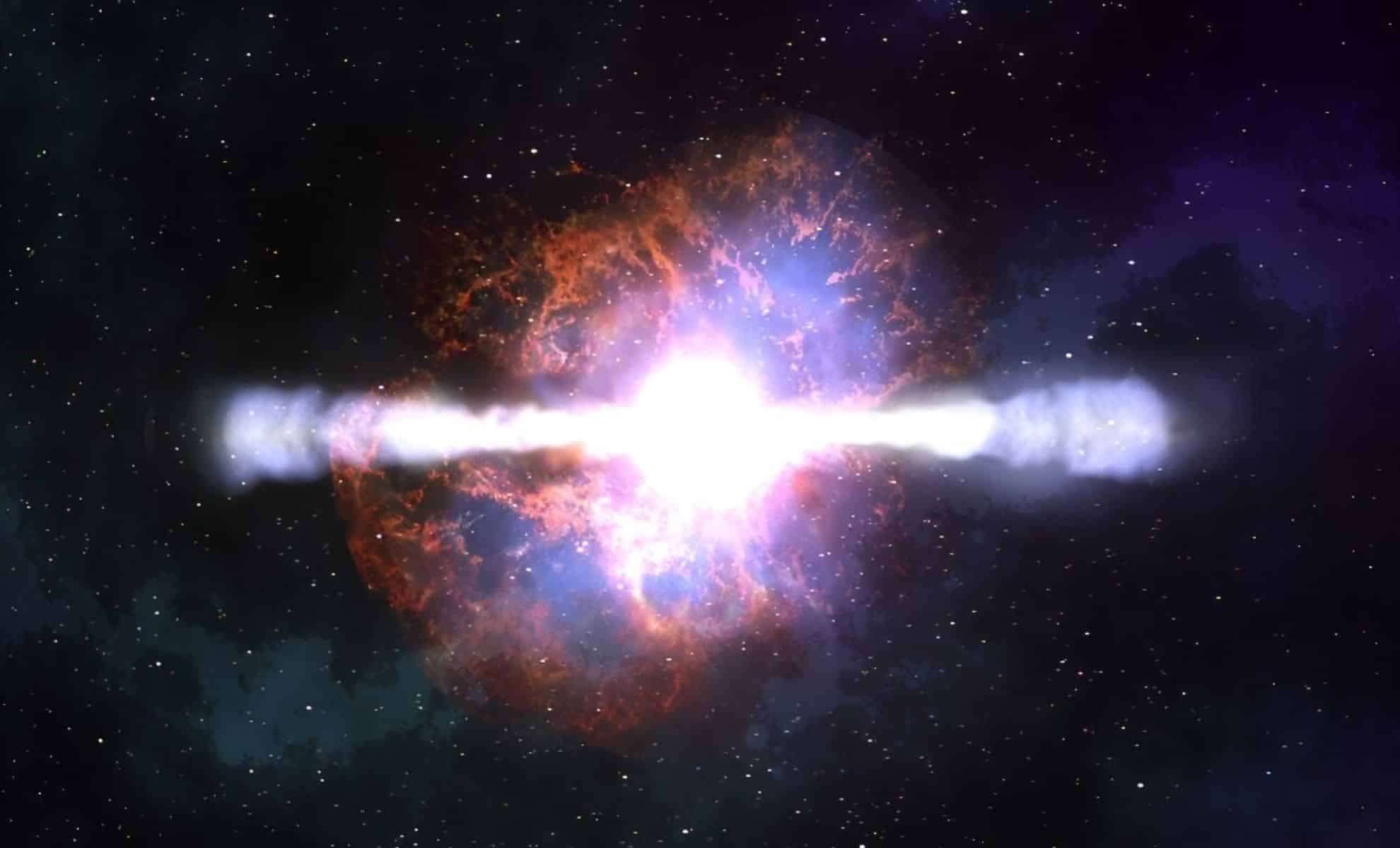
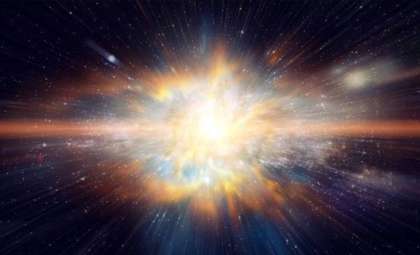
Approximately 6 million years in the past, an enormous supernova likely unleashed a burst of cosmic rays that reached our planet. Though this astronomical event occurred far beyond Earth, emerging research indicates it might have contributed to a swift evolutionary transformation—particularly altering life within Africa’s Lake Tanganyika and potentially impacting wider ecosystems.
While it’s established that cosmic radiation can influence DNA, this study proposes a bold idea: that such radiation may accelerate evolutionary processes. This insight introduces an exciting dimension to how events in outer space could have influenced life’s development here on Earth.
Tracing Cosmic Evidence in Geological Records
A team led by researchers who examined sediment cores from Lake Tanganyika—one of Earth’s rich biodiversity hotspots—discovered traces of iron-60 isotopes. They detailed their findings in a The Astrophysical Journal Letters. Iron-60, a signature isotope formed during supernova explosions, appeared in two separate sediment layers dating back 6.5 million and 2.5 million years.

The first iron-60 presence coincides with an unexpected rise in the variety of viruses within the lake, a phenomenon that has long fascinated scientists. The latter isotope layer corresponds with timing of other predicted supernova events affecting our planet.
By reconstructing the Sun’s path through the Milky Way galaxy, the team linked the source of these cosmic rays to the Scorpius-Centaurus and Tucana-Horologium star clusters, situated a few hundred light-years away. Supernova explosions there likely emitted intense radiation toward Earth for roughly 100,000 years—ample time to induce significant genetic and ecological shifts.
The Role of Cosmic Rays in Speeding Up Evolution
Cosmic rays have the capacity to fragment DNA molecules, leading to mutations. Though some mutations can be damaging, others might spark evolutionary advancements by enhancing genetic variation.
Could this supernova have triggered an evolutionary catalyst in Lake Tanganyika’s ecosystem? Lead author Caitlyn Nojiri, an astrophysicist at the University of California, Santa Cruz, finds this hypothesis compelling. She commented, “It’s exciting to consider how these extremely distant cosmic events might influence Earth’s biology or its habitability.”
While this research stops short of confirming a direct cause-and-effect link, the timing of elevated cosmic radiation and the proliferation of new viral species presents an intriguing correlation. If cataclysmic events occurring millions of light-years away can impact terrestrial evolution, there may be other cosmic factors yet to be uncovered within Earth’s biological record.
- Categories:
- News






0 comments
Sign in to Comment