
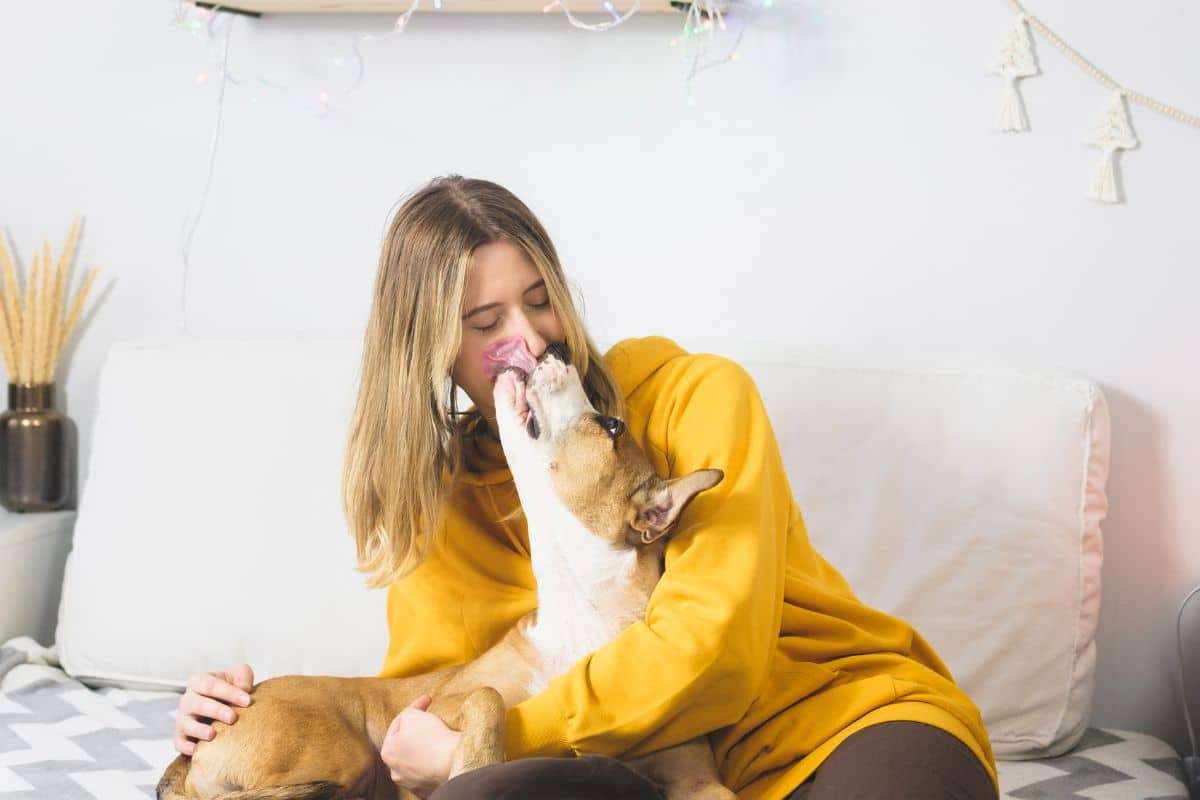
Many dog lovers treasure the warm gestures of their pets, especially those affectionate face licks. While these moments feel heartwarming, emerging research points to possible health concerns linked to this behavior.
Researchers from Pennsylvania State University published findings in Zoonoses and Public Health that reveal how such seemingly harmless interactions might transmit antibiotic-resistant bacteria to humans.
Unseen Risks in Canine Saliva
Dogs often show affection by licking human faces, but their saliva may conceal threats. The study found that even apparently healthy dogs can harbor antibiotic-resistant strains of Salmonella. This bacteria is linked to human gastrointestinal issues such as diarrhea and abdominal pain. Alarmingly, the resistance to standard antibiotics makes treatment more challenging.

Between 2017 and 2023, scientists analyzed 87 dogs, detecting 82 strains of Salmonella capable of infecting people. They also discovered that 39% of these dogs carried the shdA gene, which enables Salmonella to persist silently in their intestines.
Transmission to humans can happen through direct contact like face licking or indirectly via contaminated surfaces.
Pathways of Bacterial Transfer From Dogs to People
Salmonella spreads when humans come into contact with infected saliva or fecal matter. Dogs’ grooming habits spread bacteria from their fur to their mouths, so when they lick a person’s face, it creates a direct opportunity for bacteria to enter the human body.
Lead scientist Erika Ganda stressed the importance of awareness. “Our intention is not to discourage pet care, but to promote understanding of potential dangers and encourage simple hygiene practices to protect both families and their furry friends,” Ganda stated.
Understanding Antibiotic Resistance in Pets
Antibiotic resistance poses an escalating challenge globally, with pets potentially playing a role in its spread. The bacteria found in dogs may be unresponsive to common antibiotics, heightening the risk of serious health complications.
Co-author Nkuchia M’ikanatha reinforced the importance of vigilance, noting, “This highlights why hand washing and other hygiene habits are vital for safeguarding both pets and owners — our dogs are family, though even the healthiest can harbor Salmonella.”
Practical Tips for Pet Hygiene
While these findings underscore risks, they also suggest straightforward steps to reduce them. Keeping up good hygiene during pet interactions is both simple and effective. Researchers advise the following:
- Frequent hand washing: Clean your hands thoroughly after touching, feeding, or cleaning up after your dog to lower bacterial transfer.
- Limit face licking: Avoid allowing pets to lick your face, particularly near the mouth, eyes, and wounds.
- Regular vet visits: Ensure your pet undergoes routine health checks to catch any infections early.
- Sanitize living areas: Maintain cleanliness in spots your pets frequent to minimize bacteria presence.
Combining Affection with Awareness
The study does not aim to deter pet ownership but to highlight the necessity for caution. Dogs provide invaluable companionship, emotional support, and joy. Nevertheless, understanding their potential to carry and spread bacteria is key to protecting both pet and human health.
By recognizing risks and adopting preventive measures, pet owners can nurture loving bonds without compromising safety. Practicing solid hygiene routines enables families to enjoy their pets while mitigating avoidable illnesses.
A Collective Effort for Health
These insights remind us of the deep connection between animal and human well-being. As antibiotic resistance continues to rise, addressing its spread involves acknowledging pets’ roles in bacterial transmission. Collaborative efforts between public health officials and veterinary providers are essential to foster safe human-animal interactions.
While a dog’s lick may be a sign of affection, the potential health hazards should not be overlooked. Equipped with knowledge and simple precautions, pet lovers can safeguard both themselves and their cherished companions.
- Categories:
- Health











0 comments
Sign in to Comment