
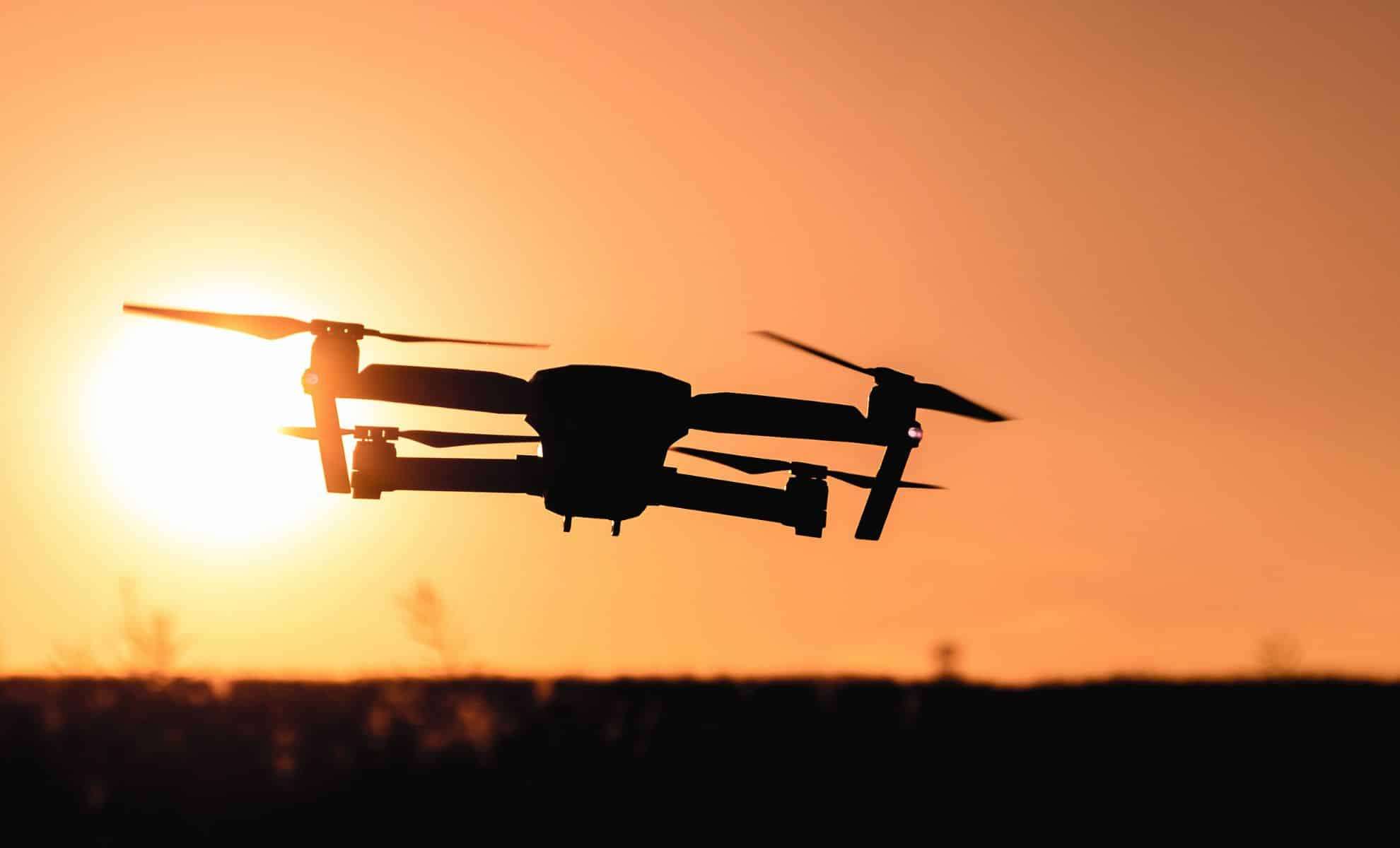
The Federal Aviation Administration (FAA) has widened the scope of temporary flight restrictions (TFRs) throughout New Jersey amid growing concerns over mysterious drone activities. This immediate action designates multiple cities and townships as “National Defense Airspace” to protect critical infrastructures and enhance public safety amid heightened security threats.
Key Areas Under New Flight Bans
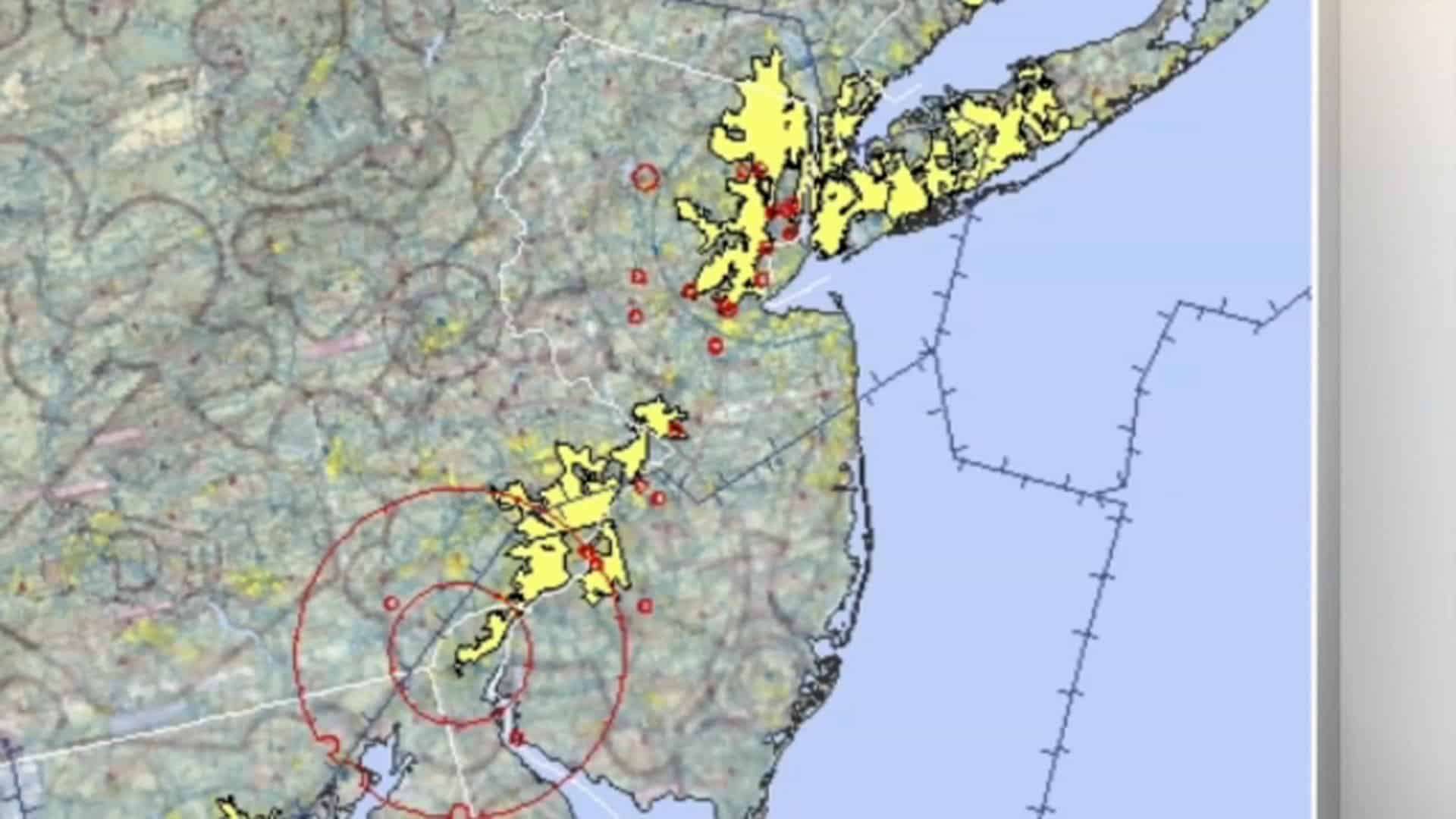
The revised TFRs apply to a variety of settings, including metropolitan areas, industrial sectors, and residential neighborhoods. Important locations include:
- Camden, Jersey City, Elizabeth, Bayonne, and Harrison
- Branchburg, Bridgewater, Edison, and Metuchen
- South Brunswick, North Brunswick Township, and Westampton
- Cedar Grove, Clifton, and Kearny
- Winslow Township, Gloucester City, and Evesham
On a related note, flight restrictions around Picatinny Arsenal continue permanently, whereas those imposed in Bedminster are scheduled to lift by December 20, 2024.

Details on Flight Restrictions
The no-fly zones cover a 1-nautical-mile radius from each designated site, extending vertically up to 400 feet (0.12 km), aligning with the FAA’s maximum limit for recreational drones. These limitations will remain active until January 17, 2025, except where otherwise specified.
Consequences for Breaches
The FAA has issued strict advisories against violations of these TFRs, warning of significant repercussions such as:
- Apprehension, detention, and questioning by authorities.
- Financial penalties and possible suspension or loss of drone pilot licenses.
- In severe threat scenarios, the authorization to employ deadly force against drones posing imminent dangers.
These protocols serve as proactive steps to reduce risks before they evolve into more serious incidents.
Addressing the Surge in Unidentified Drone Activity
The extension of these flight restrictions follows numerous unexplained drone sightings reported across New Jersey, which have perplexed officials and heightened public anxiety. Recent FAA briefings confirmed multiple drone incursions over the state but acknowledged that operators and their goals remain unknown.
While investigations suggest no direct ties to international adversaries, the unpredictability of these drones has compelled the FAA to adopt preventative measures. The U.S. currently has nearly one million registered drones, highlighting the considerable challenge of managing unauthorized airspace activity.
Legislative Challenges and Debates
The imposition of new TFRs coincides with ongoing legislative discussions concerning federal drone governance. Senate Majority Leader Chuck Schumer recently pushed for expedited approval of a bipartisan bill aimed at enhancing law enforcement’s authority to monitor and neutralize drones. This legislation also proposed enabling state and local officials to disarm or seize drones without requiring operator approval but encountered resistance from Senator Rand Paul.
Paul opposed the measure, raising alarms over privacy violations and excessive government intrusion, citing potential conflicts with Fourth Amendment rights. Schumer criticized the obstruction, emphasizing the surge in unexplained drone activity as justification for urgent federal action. “The people in New York and New Jersey deserve answers,” he asserted, urging investment in improved drone detection technologies.
Significance of National Defense Airspace Designations
Labeling restricted airspace as “National Defense Airspace” highlights the increasing importance of drone management in national security frameworks. Such a status permits authorities to levy criminal charges and utilize necessary force to prevent unlawful drone flights.
Although these initiatives address immediate safety concerns, they also emphasize the ongoing challenge of balancing technological progress with privacy and public protection. As drone use grows for hobbies and industry, incidents in New Jersey exemplify the demand for clearer laws and stronger enforcement.
Guidance for Local Drone Users
Enthusiasts and operators within New Jersey must stay informed about these evolving restrictions and adhere strictly to them. The FAA recommends routinely consulting official updates and steering clear of no-fly zones to avoid legal penalties.
Source: FAA website












0 comments
Sign in to Comment