
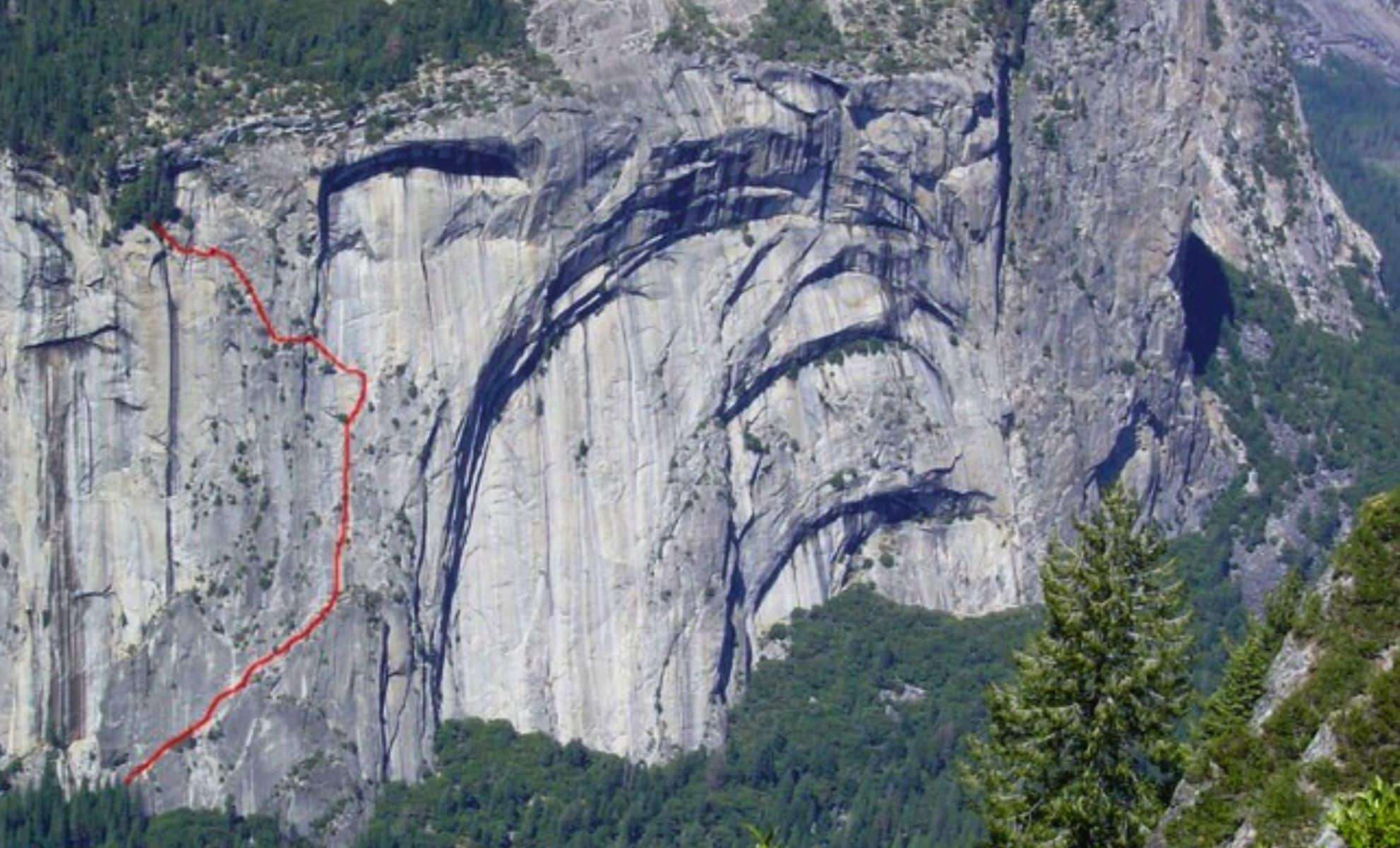
Park managers have shut down parts of Yosemite after spotting a significant fracture adjacent to the famed Royal Arches cliff. This fissure has caused a sizeable rock column near the popular Super Slide climbing path to become partially detached and is currently shifting, increasing the risk of a sudden collapse.
An Escalating Concern Over Yosemite Valley
The crack was identified last week when climbers navigating the rock face noticed the new fracture. Alarmed by the potential hazard, park officials summoned a geologist and climbing ranger to assess the situation. Their findings were both rare and troubling.
“During the following week, a climbing ranger and a geologist witnessed the crack up close and heard noises resembling cracking ice on a frozen lake,” said Jesse McGahey, Supervisory Park Ranger at Yosemite National Park. “They also observed loose rocks vibrating within the fissure without falling. The park geologist remarked this was unlike anything encountered in 15 years of experience.”

Measurements over seven days indicated the fracture had extended approximately an inch, though its long-term significance remains unclear. It might signal an impending rockslide or represent a gradual adjustment spanning years.
Understanding Rockfalls in Yosemite’s Dynamic Terrain
The occurrence of rockfalls in Yosemite Valley is a natural and ongoing process. The park's majestic granite formations were shaped by glacial activity thousands of years ago and continuously undergo transformation. For visitors and climbers alike, this ever-changing environment presents inherent risks.
The National Park Service (NPS) identifies numerous causes for rockfalls, including water penetration, freezing of ice, seismic activity, and even vegetation growth. A particularly influential process is frost wedging—where freezing water expands inside cracks and gradually separates pieces of rock.
This phenomenon is also responsible for sculpting renowned landscapes such as Bryce Canyon National Park in Utah, known for its slender rock pillars called hoodoos formed by persistent freeze-thaw cycles.
Visitor Safety and Temporary Area Restrictions
Since August 30, officials have temporarily closed the zones affected by the active crack. Although rockfalls are a familiar hazard in Yosemite, the unusual activity observed here heightens uncertainty. These closures will remain until experts can fully evaluate the risk.
This situation underscores the fact that, while Yosemite’s dramatic peaks and vistas are spectacular, they also harbor natural dangers. Visitors and climbers must remain vigilant as the landscape continues to evolve, occasionally necessitating cautionary measures.
- Categories:
- News









0 comments
Sign in to Comment