
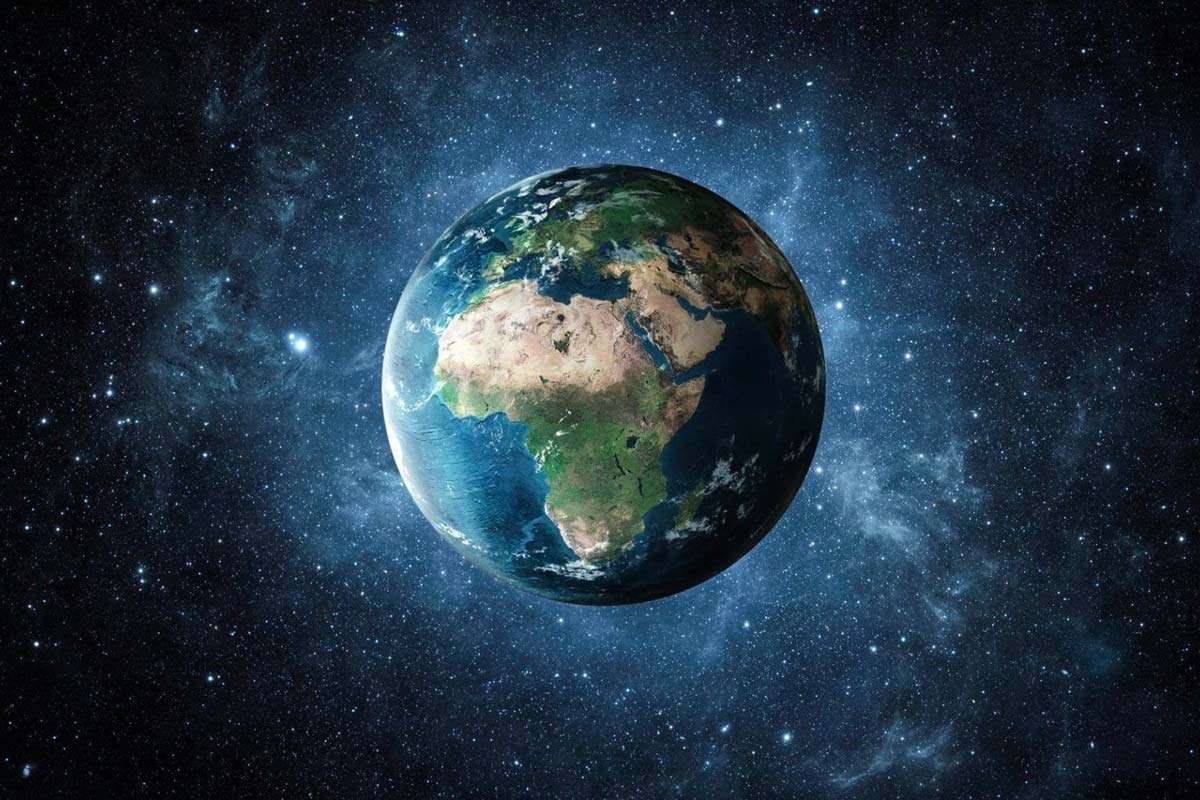
Should Earth abruptly stop spinning, the immediate aftermath would be disastrous. Due to inertia, everything not firmly fixed to the ground would be propelled eastward at speeds surpassing 1,000 km/h. This violent movement would unleash damage comparable to nuclear blasts, drastically altering landscapes and posing severe threats to all living creatures unprepared for such an event.
Changes to Earth's structure and environmental fallout
Beyond the initial turmoil, Earth’s form would undergo major transformation. Presently, our planet has an equatorial bulge caused by its rotation-driven centrifugal force. Without spinning, Earth would reshape into a near-perfect sphere, leading to massive water redistribution and widespread flooding. Large continental areas could be submerged, fundamentally altering global geography. This upheaval might trigger extensive ecological crises, potentially driving countless species to extinction.
Experiencing prolonged daylight and darkness
If Earth stopped rotating, days and nights would each last about six months, as the planet would orbit the Sun without its usual spin. This would cause intense climate extremes: regions exposed to continuous sunlight could suffer severe heatwaves disrupting ecosystems, while those shrouded in months of darkness might face freezing conditions threatening local wildlife and plant life.

Decline of the magnetic shield and radiation risks
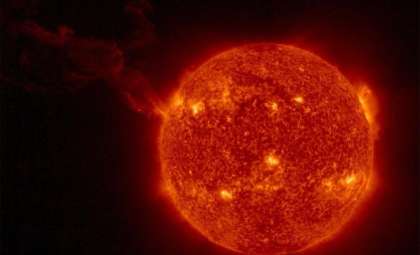
Earth’s rotation plays a vital role in maintaining its magnetic field, which shields life from dangerous solar and cosmic radiation. Without this protective barrier, surface living beings would be exposed to heightened radiation levels, increasing health risks such as cancer. Additionally, the absence of the magnetic field would allow solar winds to erode the atmosphere over time, leading to a gradual loss of breathable air.
Society and culture in a world without rotation
The halt in Earth’s spin would deeply affect human society and culture as well. Extended periods of uninterrupted daylight and darkness would force major adjustments in how time is measured, how work is scheduled, and how daily routines are structured. Agriculture would require significant adaptation, with altered growing seasons and methods, possibly causing initial food shortages.
Such drastic environmental changes would also likely spur migrations toward areas with more tolerable climates, resulting in overpopulation in some regions and abandonment of others. These shifts could spark geopolitical conflicts as nations contend with unprecedented challenges. On a broader level, living under these extreme conditions might inspire profound philosophical reflections on humanity’s place in the cosmos and our capacity to endure and evolve amid dramatic planetary changes.
A compelling perspective on planetary stability
Though the likelihood of Earth suddenly stopping its rotation is virtually nonexistent, exploring this scenario highlights the fragile equilibrium that sustains life here. It underlines how tightly Earth’s physical dynamics are connected to the biosphere and how even minute alterations could have significant repercussions. This thought experiment acts as a powerful reminder of our planet’s vulnerability and the critical importance of protecting it.

0 comments
Sign in to Comment