
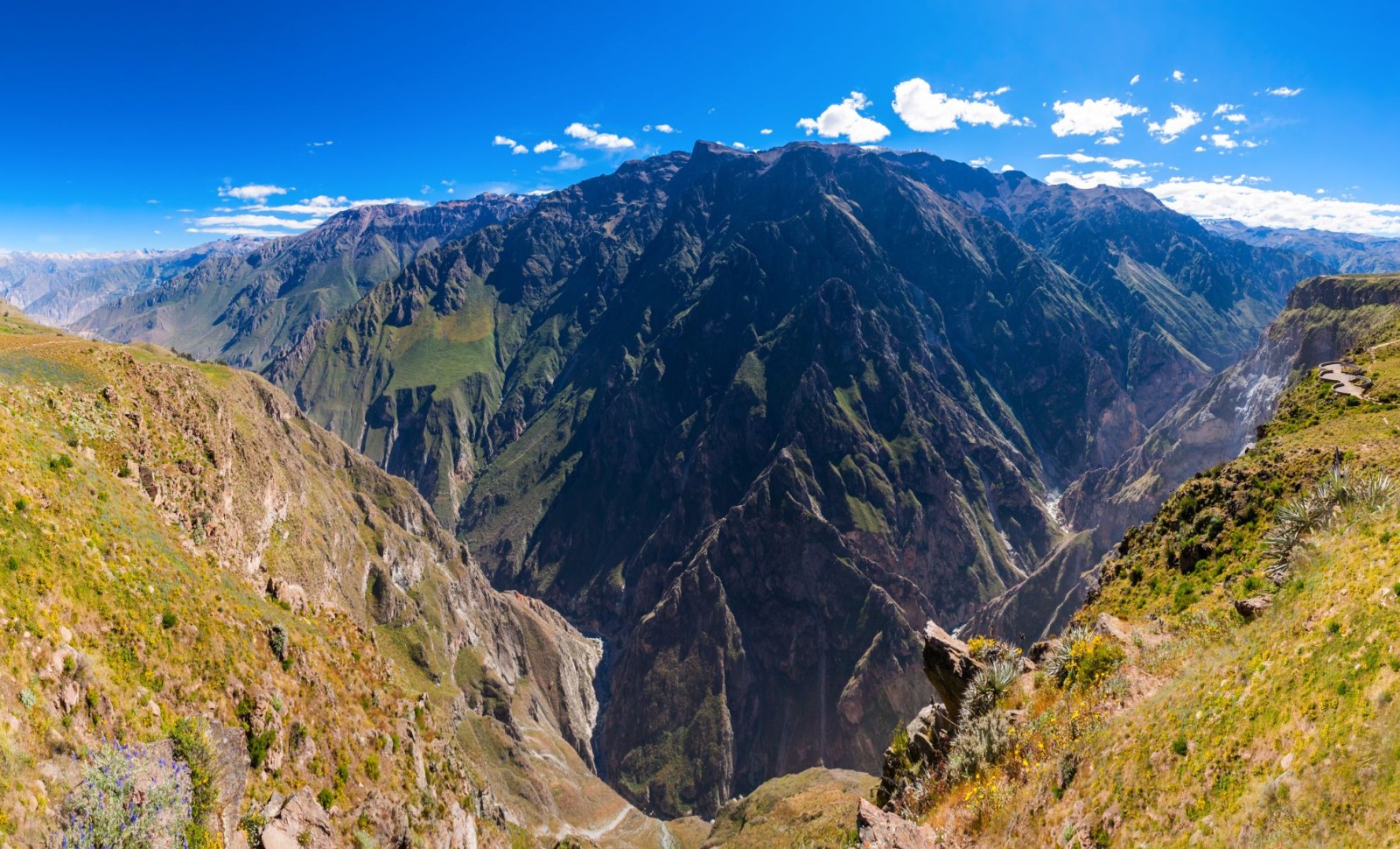
Deep within Peru’s Andes, researchers have identified a remarkable new amphibian characterized by its vivid red eyes and elongated fingers. This fascinating frog was found in the secluded Yanachaga-Chemillén National Park, where its distinctive features immediately caught scientists’ attention during a routine biodiversity assessment. The species was named Phrynopus manuelriosi as a tribute to a well-known Peruvian conservation advocate.
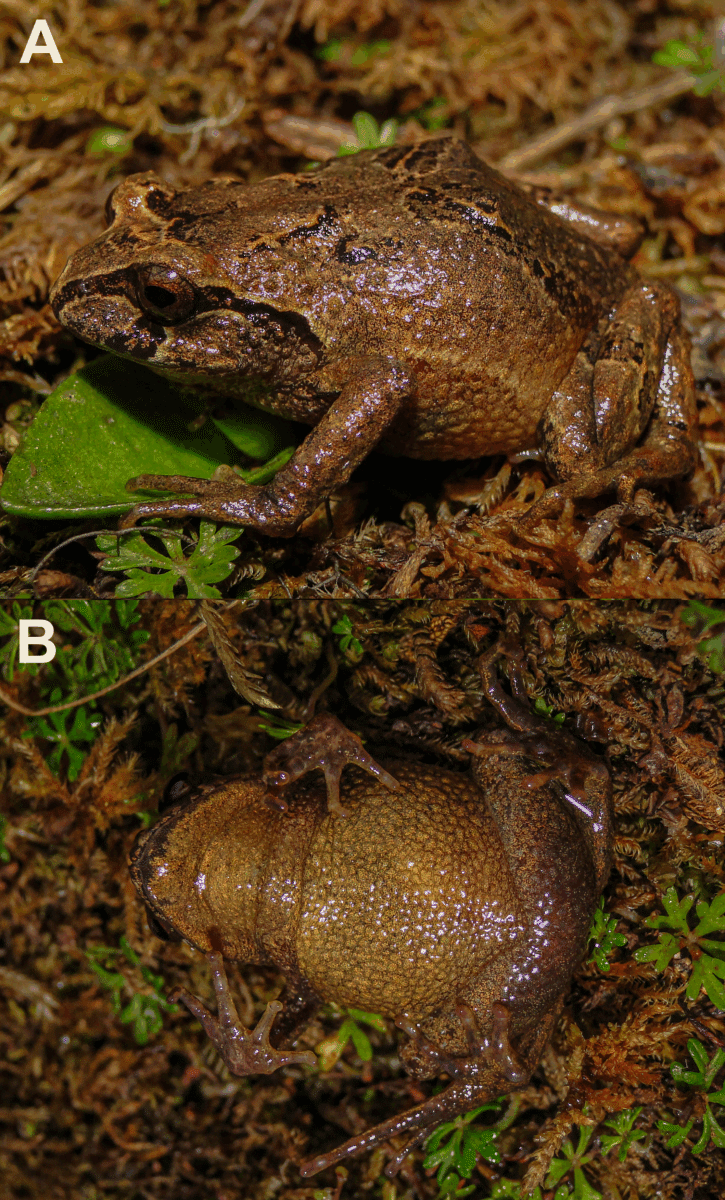
A comprehensive PeerJ publication reports the identification of this previously undocumented amphibian belonging to the Phrynopus genus. The discovery stems from detailed examinations of frogs collected in 2010. Although the frog measures just slightly over an inch, it is distinguished by its prominent red eyes, slender physique, and unique coloration patterns.
Unexpected Find Amidst the Andean Wilderness
In 2010, a group of scientists from multiple organizations ventured into Yanachaga-Chemillén National Park, centrally located in Peru, aiming to catalogue amphibian diversity. Given the area’s rich biodiversity, they anticipated discovering new species.

Their efforts soon paid off during night fieldwork when they encountered frogs unlike any previously recorded. Subsequent DNA analysis confirmed these frogs belong to a novel species named Phrynopus manuelriosi.
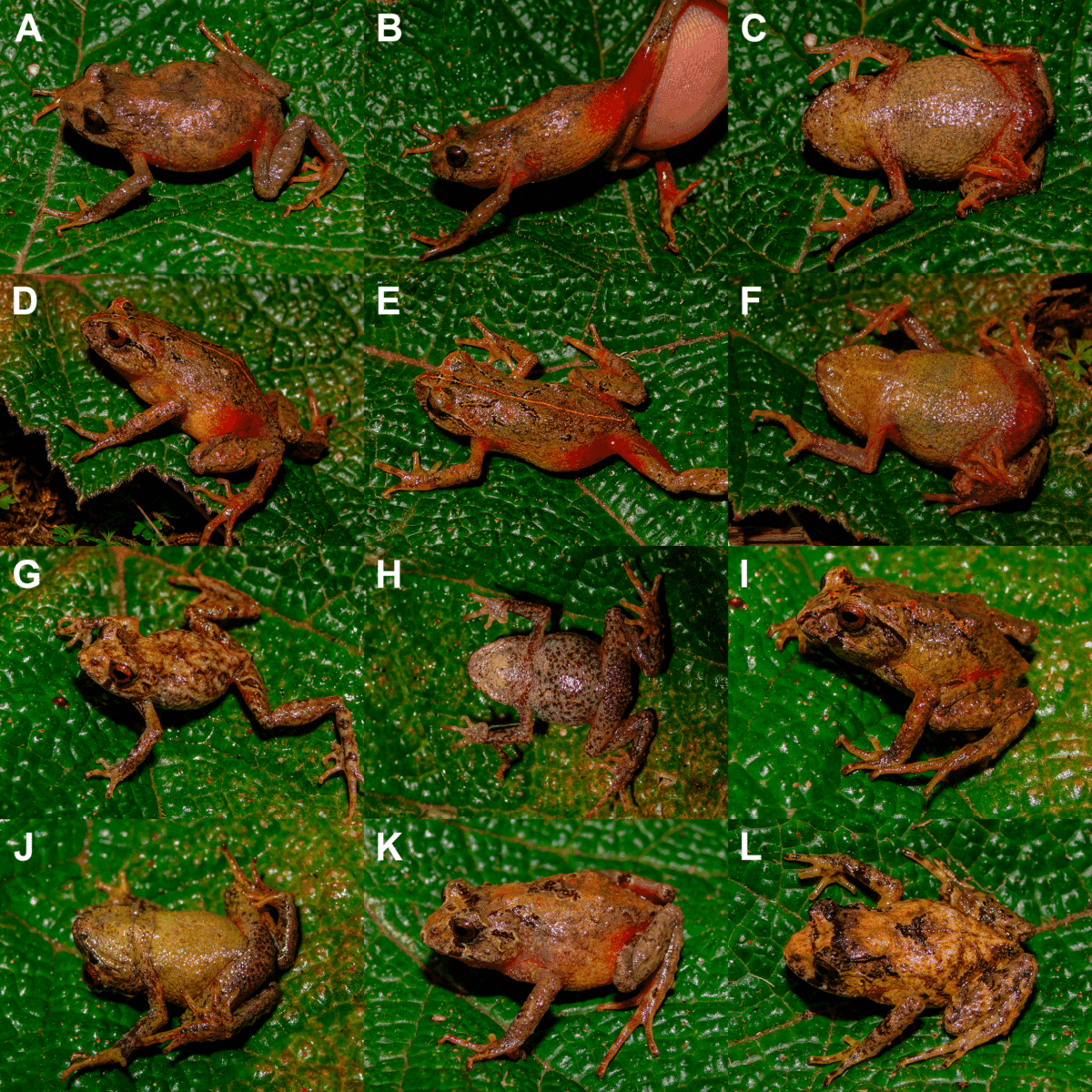
The species is notable for its striking large red eyes that stand out in low-light conditions, along with its slim limbs featuring extended fingers and toes adapted for the forest environment. Their coloration varies from pale to yellowish-brown with darker accents and vivid red patches found on the sides and legs, setting them apart from other frogs in the locality.
Ecological Role of Manuel Ríos’ Andes Frog
Beyond its eye-catching looks, this frog’s discovery highlights the critical ecological value of its habitat. The species inhabits an unusual ecosystem known as an “elfin forest,” situated at an altitude near 10,760 feet. This cool, densely forested zone supports numerous rare species. Yanachaga-Chemillén National Park is well-known for its rich diversity, especially of amphibians according to earlier research.
Although the frogs reside within a protected park, researchers express concerns regarding threats from nearby habitat disturbances caused by human activities, which could imperil this fragile ecosystem.
Protecting This Newly Found Species
The species honors Manuel Ríos, described by the research team as “a Peruvian forest engineer and professor dedicated to safeguarding the country's natural legacy.” This naming recognizes his lifelong commitment to conservation in Peru.
While much remains to be learned about the frog’s behavior and ecological function, ongoing studies are essential to fully understand its role within this ecosystem. The primary focus is on preserving its habitat, as the research warns that without stringent protection and enforcement, the frog and other sensitive species could face extinction risks.
- Categories:
- News





0 comments
Sign in to Comment