
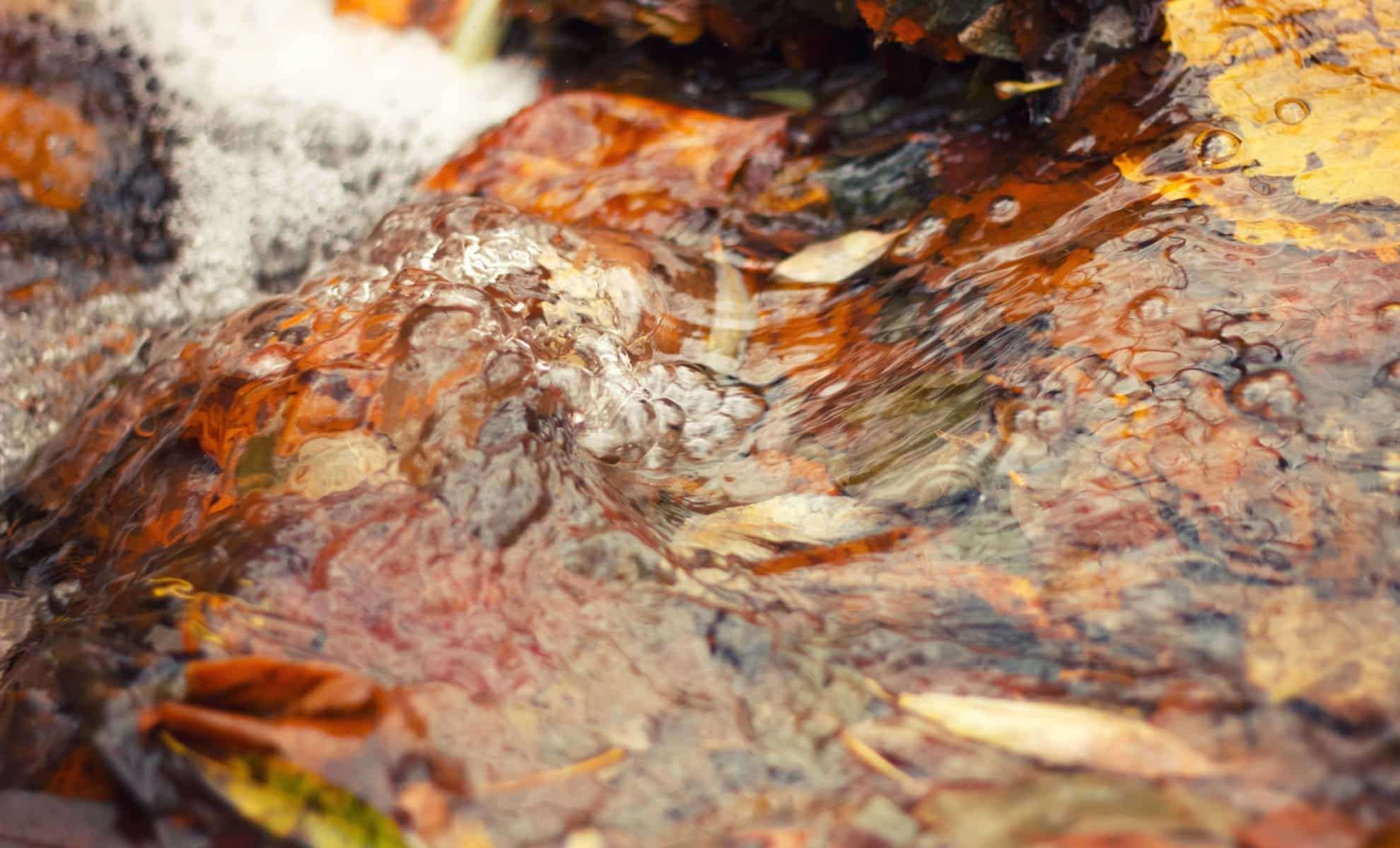
In the remote wilderness of northern Alaska, rivers that once gleamed with pristine clarity are now taking on a striking orange shade. While this change might initially be mistaken for typical industrial pollution like mining waste or chemical discharge, the true cause is much more complex and deeply linked to climate change.
Although this phenomenon might seem distant from everyday life, the consequences of thawing permafrost extend far beyond Alaska’s borders, posing broader environmental concerns globally. A recent study published in Proceedings of the National Academy of Sciences (PNAS), led by scientists at the University of California, Riverside, sheds light on this troubling development.
How Melting Permafrost is Causing Alaska’s Rivers to Turn Orange
Covering nearly 85% of Alaska’s land, permafrost has historically acted as a frozen barrier, locking away organic material and pollutants beneath the surface. Rising temperatures, however, are causing this once-permanent frozen ground to thaw rapidly, releasing trapped contaminants, including heavy metals such as aluminum, cadmium, and iron.

This thaw also ignites chemical reactions where sulfide-bearing minerals like pyrite react with oxygen and water, generating sulfuric acid. This acid then seeps into the waterways, increasing metal concentrations and tinting the rivers with an unnerving orange color. While the visual impact is dramatic, the underlying danger lies in the toxic metals threatening the health of aquatic ecosystems.
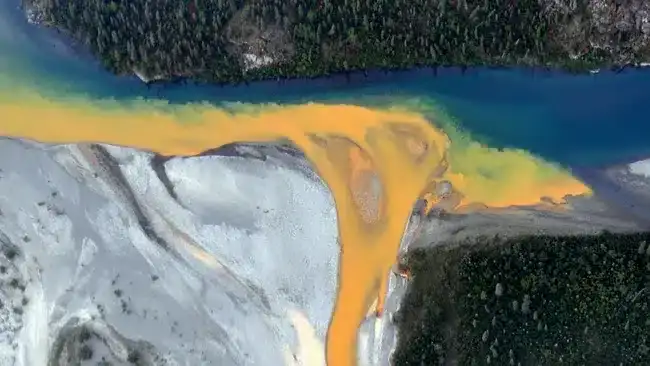
The Impact of Alaska’s Changing Climate
These contamination levels are having serious effects on native wildlife. Normally vibrant river ecosystems are now burdened with pollutant concentrations exceeding safe limits set by the Environmental Protection Agency (EPA). Fish species, particularly salmon, face grave risks. Iron deposits clog fish gills, impairing respiration and leading to suffocation. Furthermore, iron settling on riverbeds reduces sunlight penetration, destroying vital habitats for insects and larvae that are foundational to the aquatic food web.
This environmental upheaval also impacts communities reliant on fishing. Indigenous groups in Alaska and commercial fishers who depend on robust salmon runs have witnessed alarming declines. The 2024 salmon harvest marked the lowest yield in over six decades. Although multiple factors contribute to this reduction, the correlation with rising metal contamination raises significant concern.
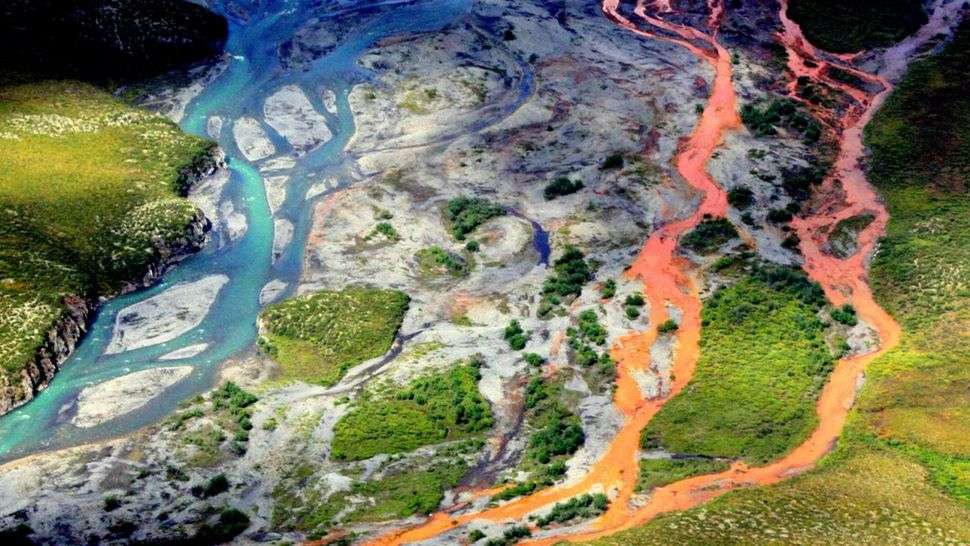
Expanding Threat: Other Rivers Endangered
This phenomenon is not confined to the Salmon River alone. Research indicates that contamination now affects at least 75 rivers and streams throughout northern Alaska. Several waterways have already become clouded with the characteristic orange tint, while others exhibit early signs of rising metal toxicity. Rivers nearby, like the Alatna and John, are showing emerging contamination as well, hinting at a wider regional spread.
Experts caution that if current trends persist, greater numbers of rivers—both within Alaska and across the Arctic region—may experience similar degradation. Such environmental damage could have far-reaching economic and ecological impacts, threatening the sustainability of local ecosystems and the communities that depend on them.
- Categories:
- News




0 comments
Sign in to Comment