
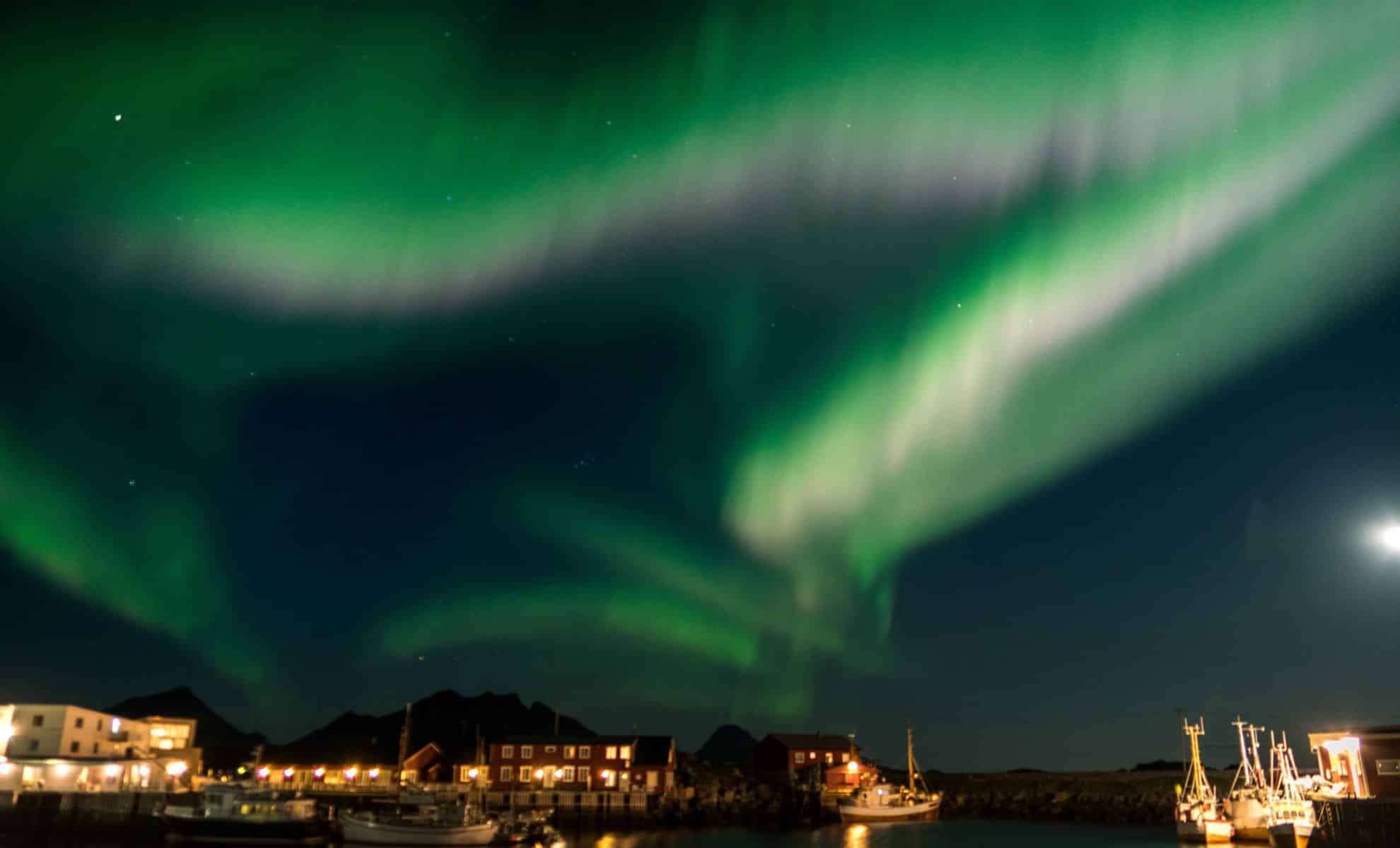
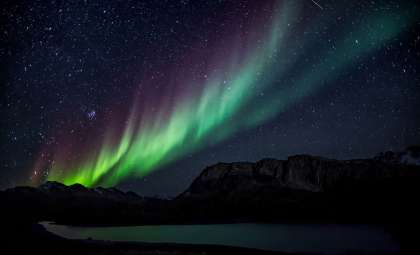
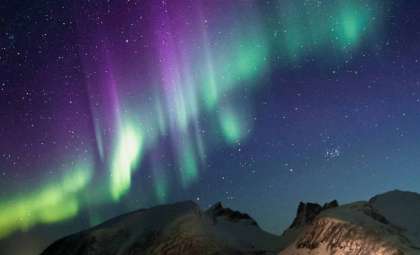
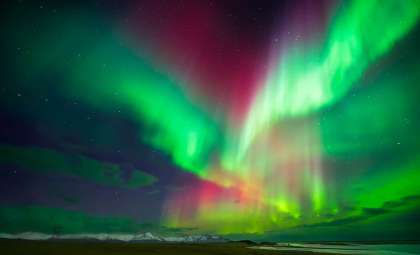
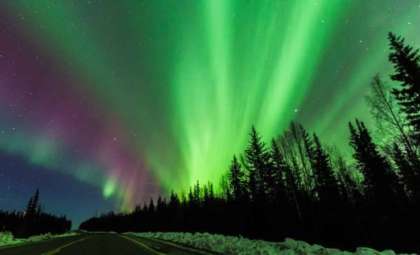
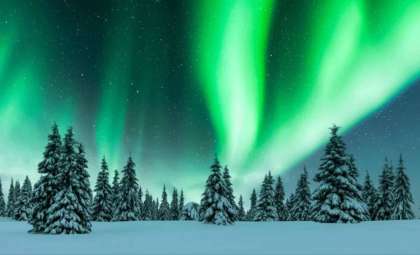
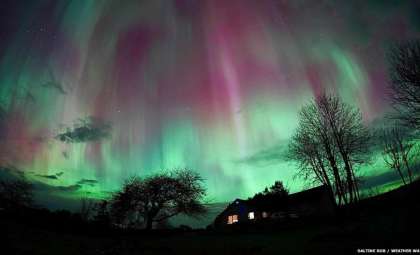
Skywatchers across the United States may soon be treated to a dazzling display as geomagnetic disturbances intensify during the upcoming weekend. An experimental aurora forecast by the NOAA Space Weather Prediction Center predicts that strong solar winds will push the auroral oval farther south than usual. This shift could make the northern lights visible in up to 15 states, stretching from Alaska down to Iowa, tonight and throughout the weekend. While conditions may change, these geomagnetic events have piqued the interest of enthusiasts nationwide.
Intense Solar Wind Streams Enhance Aurora chances in Northern U.S.
Elevated solar wind activity from a coronal hole on the Sun has impacted Earth's magnetic field over the past week. These fast-moving winds have produced minor G1 geomagnetic storm conditions so far, though space weather remains notoriously unpredictable. A recent forecast upgrade earlier this week unexpectedly escalated to a G3 storm, generating vivid auroras as far south as Italy. Although current predictions hold at G1 levels, the weekend's Kp index is expected to peak around 4.67, bordering on G2 class, which often broadens aurora visibility.
The Kp index gauges the strength of geomagnetic activity on a 0 to 9 scale. Higher Kp values boost the odds of spotting auroras at lower latitudes. Should geomagnetic storms intensify beyond forecasts, residents in northern U.S. states might witness rare atmospheric light shows typically confined to polar regions. Even at G1, locations in Michigan, Wisconsin, and Maine commonly lie within the viewing zone, but a stronger storm could extend aurora sightings into parts of the Midwest and Pacific Northwest.

States Likely to See Northern Lights Between Tonight and Sunday
According to NOAA’s latest outlook, 15 states fall within or close to the aurora viewing area. These are ranked from the highest to the lowest likelihood based on their proximity to the auroral oval’s center and the extent of the state’s coverage within the forecast range.
Alaska leads due to its northern location and frequent position beneath the auroral zone during active space weather. Following are Montana, North Dakota, and Minnesota, which offer excellent viewing potential, especially in remote, dark-sky regions. Other notable areas include Upper Michigan, Wisconsin, Idaho, and northeastern states such as Maine, Vermont, New Hampshire, and New York.
Further from the oval but still within probable sighting zones are South Dakota, Wyoming, Washington, and Iowa. Although aurora visibility here may be less frequent, prior stronger storms have produced visible displays in these regions. Residents are encouraged to monitor local forecasts and prepare for possible viewing opportunities should geomagnetic activity strengthen.
Tips for Spotting Auroras in Lower Latitude Locations
Viewing the aurora borealis outside Alaska or Canada requires careful planning and patience. One of the main challenges is light pollution, which can obscure faint auroras. To maximize visibility, experts suggest seeking out north-facing spots situated well away from city lights, such as parks, rural farmland, or lakesides.
Time of night is also key. Near the summer solstice (June 20–21), northern territories experience shorter nights, reducing the aurora viewing window. The best viewing often occurs between 1 a.m. and 2 a.m. when darkness peaks and the auroral oval shifts south. Photographers are advised to use cameras with manual exposure controls to reveal colors and details that may be invisible to the naked eye.
Apps like My Aurora Forecast & Alerts and Space Weather Live provide real-time Kp index updates and localized geomagnetic alerts to help enthusiasts track aurora activity. Checking the NOAA 3-day forecast can offer additional guidance on expected storm intensity and viewing regions.
The Solar Cycle’s Role in Recent Aurora Activity
The increase in aurora displays corresponds with the upswing of Solar Cycle 25, an approximately 11-year pattern marked by fluctuating sunspot counts and coronal mass ejections (CMEs). These solar eruptions send charged particles into Earth's magnetosphere, triggering the geomagnetic storms that produce auroras.
Solar Cycle 25 is progressing more rapidly than anticipated, with sunspot numbers exceeding initial predictions. This suggests a potentially more energetic solar maximum around 2025. As the cycle nears its peak, aurora enthusiasts in mid-latitude areas could experience more frequent light shows, especially during powerful solar wind streams like the current one.
Such trends make this period an exciting time for aurora watchers across the country. Although rare in southern states, recent storm surges have yielded spectacular sightings in places like Illinois and Oregon. Staying observant and prepared this season could reward many with breathtaking views.
- Categories:
- News


0 comments
Sign in to Comment