
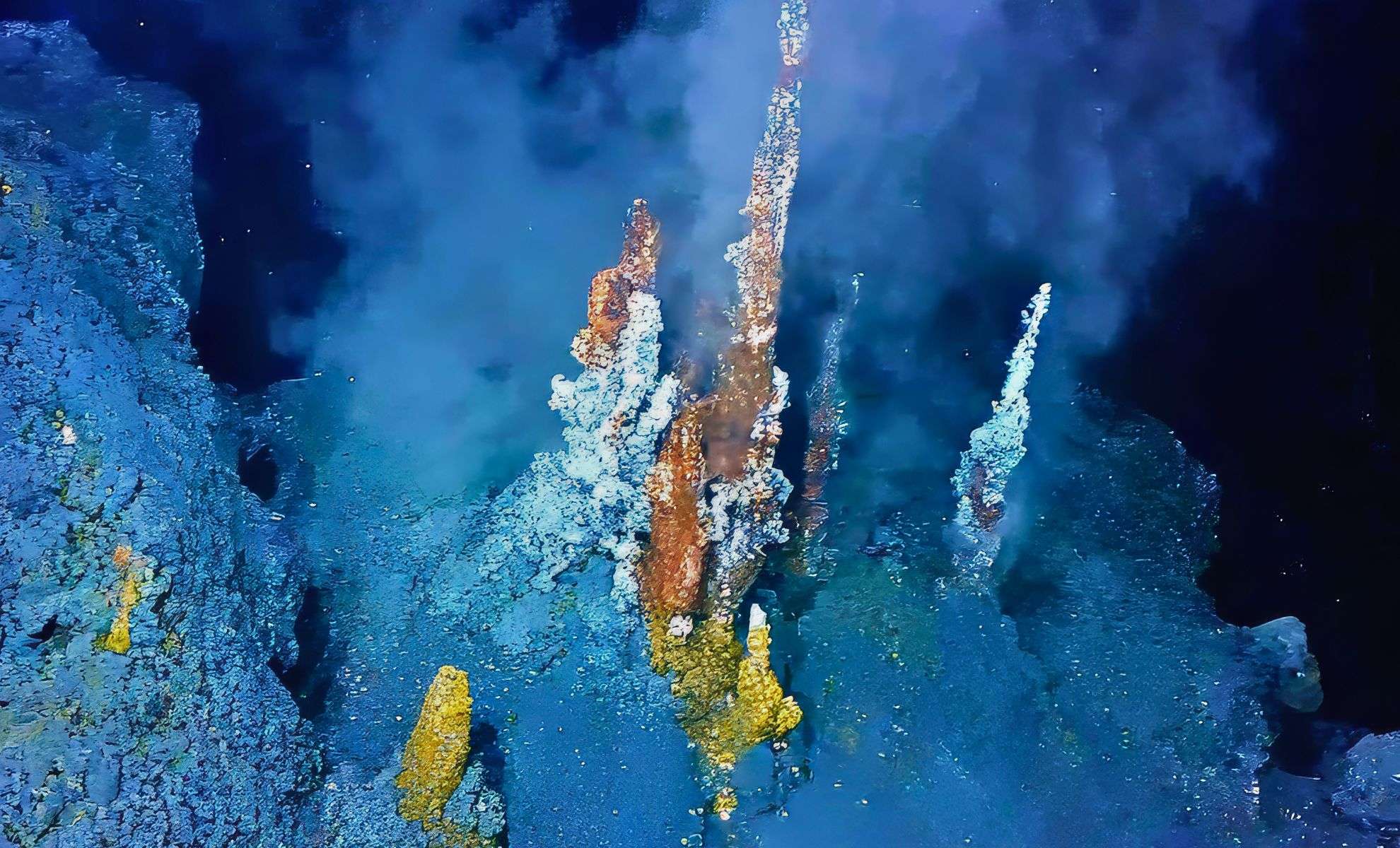
In a breathtaking and unexpected finding, scientists have identified an immense cluster of shimmering golden eggs close to a previously unknown underwater volcano located off the west coast of Canada. This remarkable observation, initially covered by USA TODAY and soon to be elaborated in a Canadian governmental scientific publication, is providing new insights into the resilience of deep-sea life and ecosystems in extreme environments.
Hidden Volcano Unveils Its Continuing Activity
This submarine volcano had never been thoroughly investigated before. Cherisse Du Preez, senior investigator with Fisheries and Oceans Canada, notes that their expedition marked the inaugural exploration of this underwater peak. Even more astonishing was the revelation that the volcano remains geothermally active.
“No one knew the ancient underwater volcano was active, let alone emitting heat,” Du Preez explained in a statement to USA TODAY.
Add Cosmo Herald as a Preferred Source

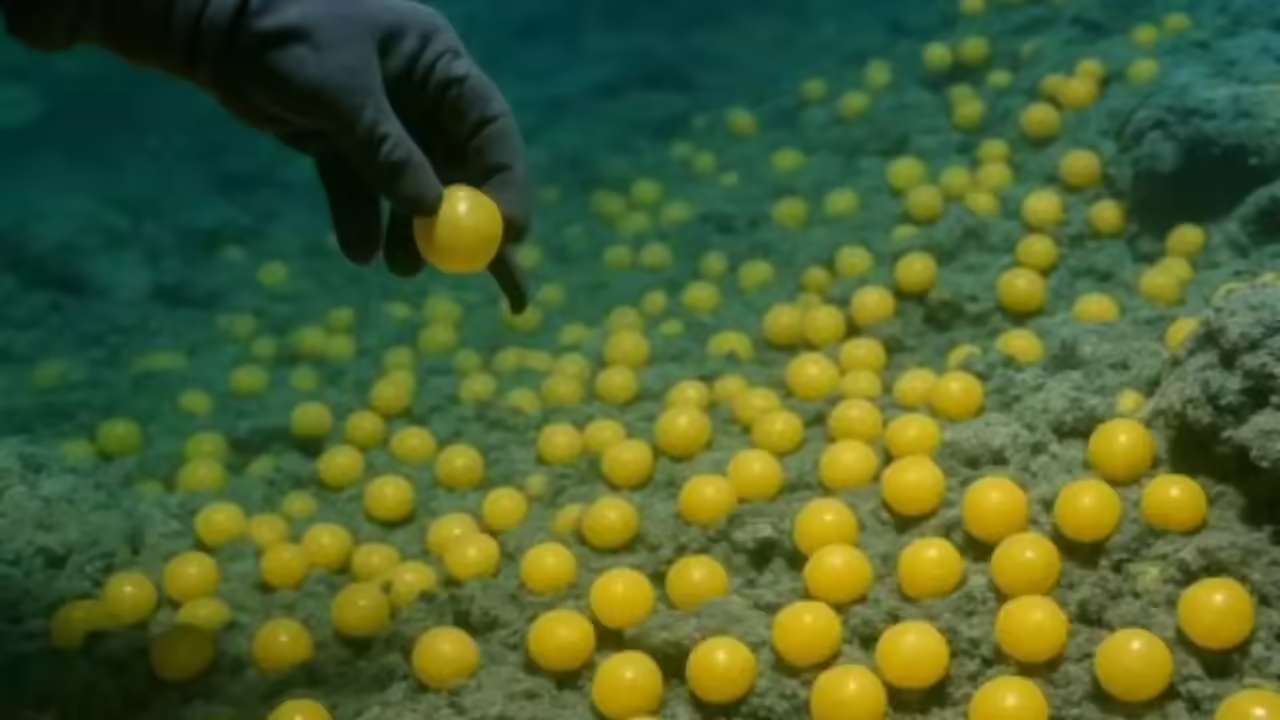
The presence of this unexpected heat likely created a unique thermal refuge in the otherwise cold, high-pressure depths. The research team was astonished to find much of the seabed blanketed with radiant egg capsules—approximately the size of a human palm—belonging to the Pacific white skate, a ghostly deep-sea cartilaginous fish related to sharks.
Deep-Sea Nursery of Glowing Eggs
Researchers estimate the site contains about 2.6 million egg cases, all glowing golden under the submersible's illumination. These egg capsules, often referred to as “mermaid’s purses,” exhibit one of the longest incubation periods known in fish species, lasting up to ten years. This unusually prolonged development is influenced by the cold deep-sea environment, but the warmth generated by the volcanic activity seems to serve as a natural hatchery.
“The deep sea is cold, and heat helps,” Du Preez noted. “To grow big, strong animals, some warmth helps.”
The Pacific white skate, described by National Geographic as a “bone-white, bug-eyed relative of sharks,” usually inhabits depths nearing two miles beneath the ocean surface. Prior to this, such an extensive breeding ground had never been discovered, especially in locations formerly considered too hostile for early-stage marine life.
Historic Footage Captures Egg-laying in the Abyss
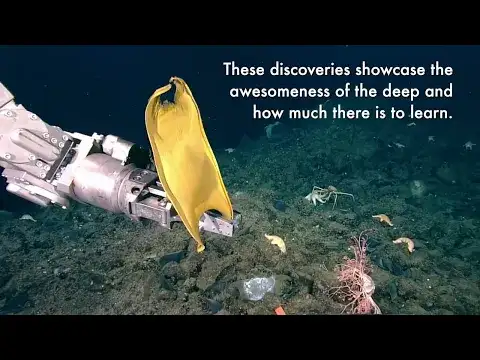
The team also recorded the first-ever video footage of a female Pacific white skate depositing eggs onto the warm ocean floor. With the aid of a robotic arm, the submersible carefully lifted a single egg case, which shone brilliant gold under the camera’s illumination. This rare footage has been disseminated widely, sparking significant scientific interest worldwide.
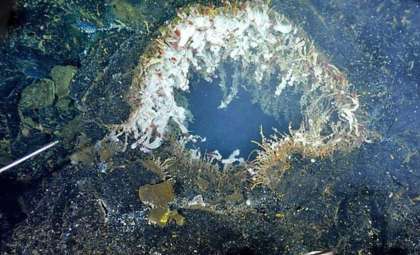
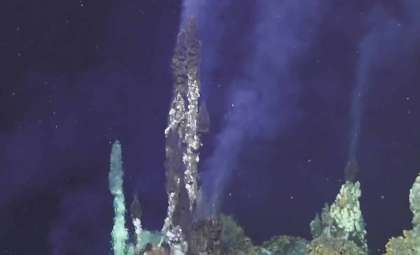
As documented by Live Science, the volcano’s vents emit mineral-dense fluids that warm the surrounding waters to higher temperatures than typically expected. This warmth likely facilitates embryo growth, shedding light on how certain deep-ocean species have evolved to endure such extreme habitats.
“It’s out of this world,” said Du Preez. “But at the same time, more than 90% of the livable space on our planet is the deep sea.”
This remarkable volcanic breeding ground serves as a vivid reminder that much of Earth’s oceanic realm remains largely unexplored, holding secrets that could transform our comprehension of life thriving in the planet’s most secluded frontiers.
- Categories:
- News




0 comments
Sign in to Comment