
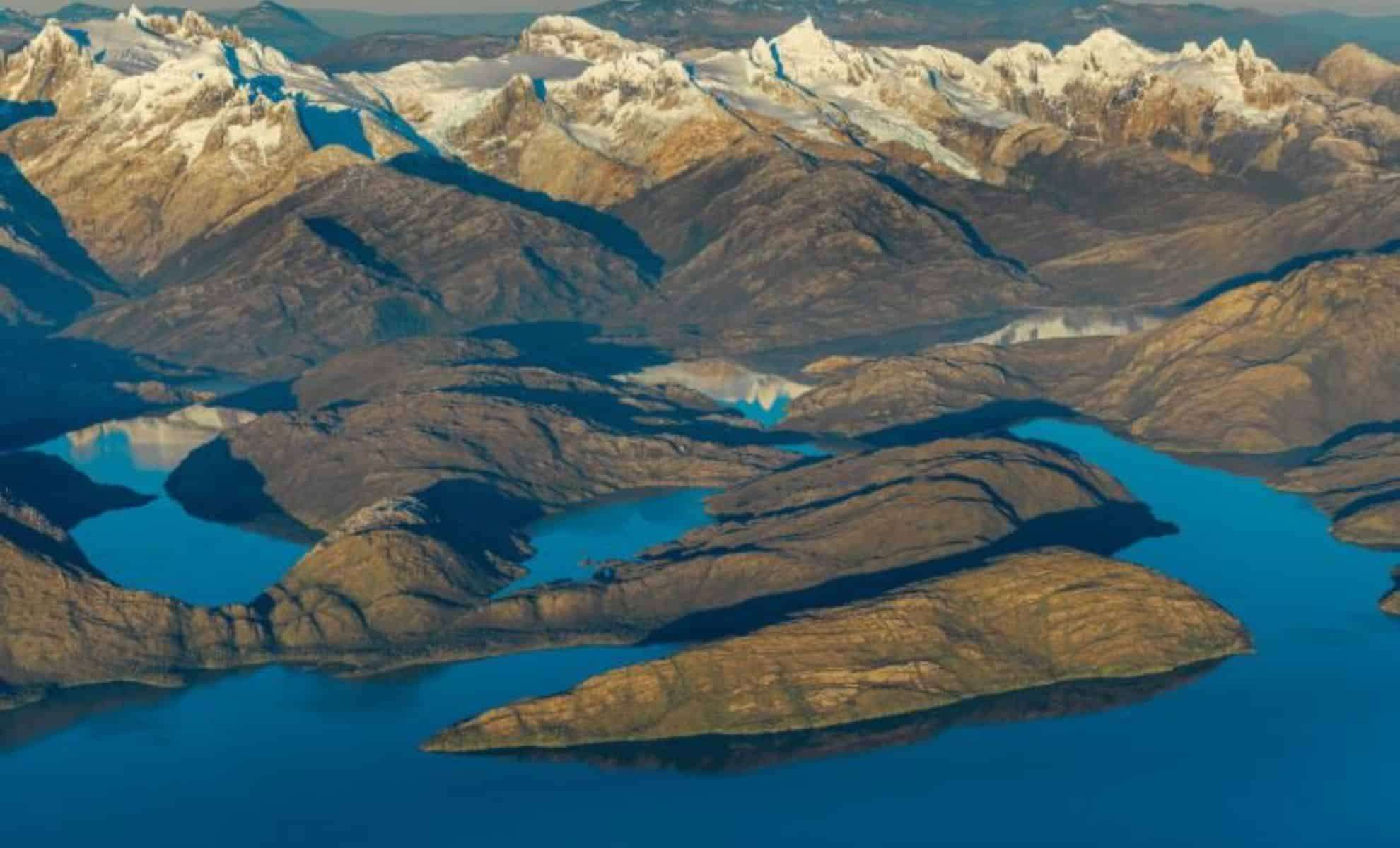
Researchers have made a groundbreaking revelation of a rare underwater ecosystem situated off Chile’s coastline. This remarkable habitat lies within the boundaries of the Kawésqar National Reserve and underscores the critical need to prioritize marine biodiversity protection. The discovery has sparked global interest among scientists and environmentalists alike, offering new prospects for studying and preserving these delicate underwater communities.
Found in one of the globe’s richest yet least explored marine zones, this ecosystem stands out for its intricate makeup and crucial role in sustaining diverse marine organisms. With escalating threats such as ocean warming, contamination, and overexploitation of marine resources, this discovery acts both as a stark alert and a symbol of optimism for ocean conservation.
A Distinctive Habitat Within Kawésqar National Reserve
Located in the cold waters of the Kawésqar National Reserve, the newly identified ecosystem is the shallowest and southernmost recorded red hydrocoral forest, according to scientific reports. Typically thriving in deeper, colder zones, this hydrocoral habitat exists at depths ranging roughly from 1.23 to 33 meters (4 to 108 feet), making it more accessible for detailed research and conservation than its deep-sea relatives.

Hydrocoral forests like this one form what are known as “marine animal forests.” These structures create critical environments that support a vast variety of species by offering areas for breeding, feeding, and refuge.
“The structural complexity generated by [marine animal forests] on the seabed is used by numerous species to settle and live, hide, feed or reproduce, so they are also true hotspots of biodiversity,” said Ana De la Torriente, a researcher at the Spanish Institute of Oceanography, per Rewilding Chile.
This vibrant and intricately woven coral structure is a sanctuary supporting marine species and serves as a vital yardstick for assessing ecosystem health, providing essential insights into marine biodiversity dynamics.
Hydrocorals as Indicators of Oceanic Wellbeing
Besides their ecological importance, hydrocorals act as significant bioindicators by reflecting the health status of surrounding marine ecosystems. Their fixed position and high sensitivity to environmental fluctuations make them valuable sentinels for changes in ocean conditions.
“They are bioindicators. Because they’re species that can’t move, they’re super sensitive to any changes in the environmental conditions,” explained Ignacio Garrido, marine biologist and director of the Austral University of Chile’s coastal laboratory, per Mongabay.
Given their vulnerability to altered temperature, salinity, and pollution levels, conserving this unique habitat is essential. As climate change advances, such ecosystems offer early warnings about stress impacts on marine life.
The Importance of This Discovery
This finding is a major leap forward in science with wide-reaching consequences for conservation efforts worldwide. Preserving this ecosystem offers numerous benefits such as:
- Biodiversity Reservoir: These marine forests harbor countless species, bolstering ocean ecosystem health.
- Sustainable Fisheries: By offering vital habitats, they support the sustainability of fish populations crucial for both commercial and local fishing.
- Protection of Shorelines: Intact coral ecosystems shield coastal regions from erosion and lessen storm impacts.
- Public Engagement: Its shallow position allows easier access, making it ideal for raising awareness and fostering ocean conservation efforts.
The Kawésqar hydrocoral forest also inspires global restoration strategies. Advanced methods like robotics and automated reef restoration are being tested worldwide, and this exceptional find could help guide similar projects.
An Urgent Call for Conservation
Despite its promise, this ecosystem faces risks from climate change, human interference, and environmental damage. Conservationists emphasize the need for immediate action to safeguard the hydrocoral forest’s longevity.
“The results of this study clearly demonstrate the presence of unique and singular ecosystems in the area. We need to implement management plans and strict protections to ensure their long-term survival,” said Ingrid Espinoza, Conservation Director of Rewilding Chile, to the Rewilding Institute.
Effective protection demands comprehensive management strategies integrating monitoring, education, and stronger enforcement of protected marine zones. Successful coral recovery efforts from regions like Spain, Mexico, and Northern Ireland provide encouraging models for conserving the Kawésqar hydrocoral ecosystem.










0 comments
Sign in to Comment