
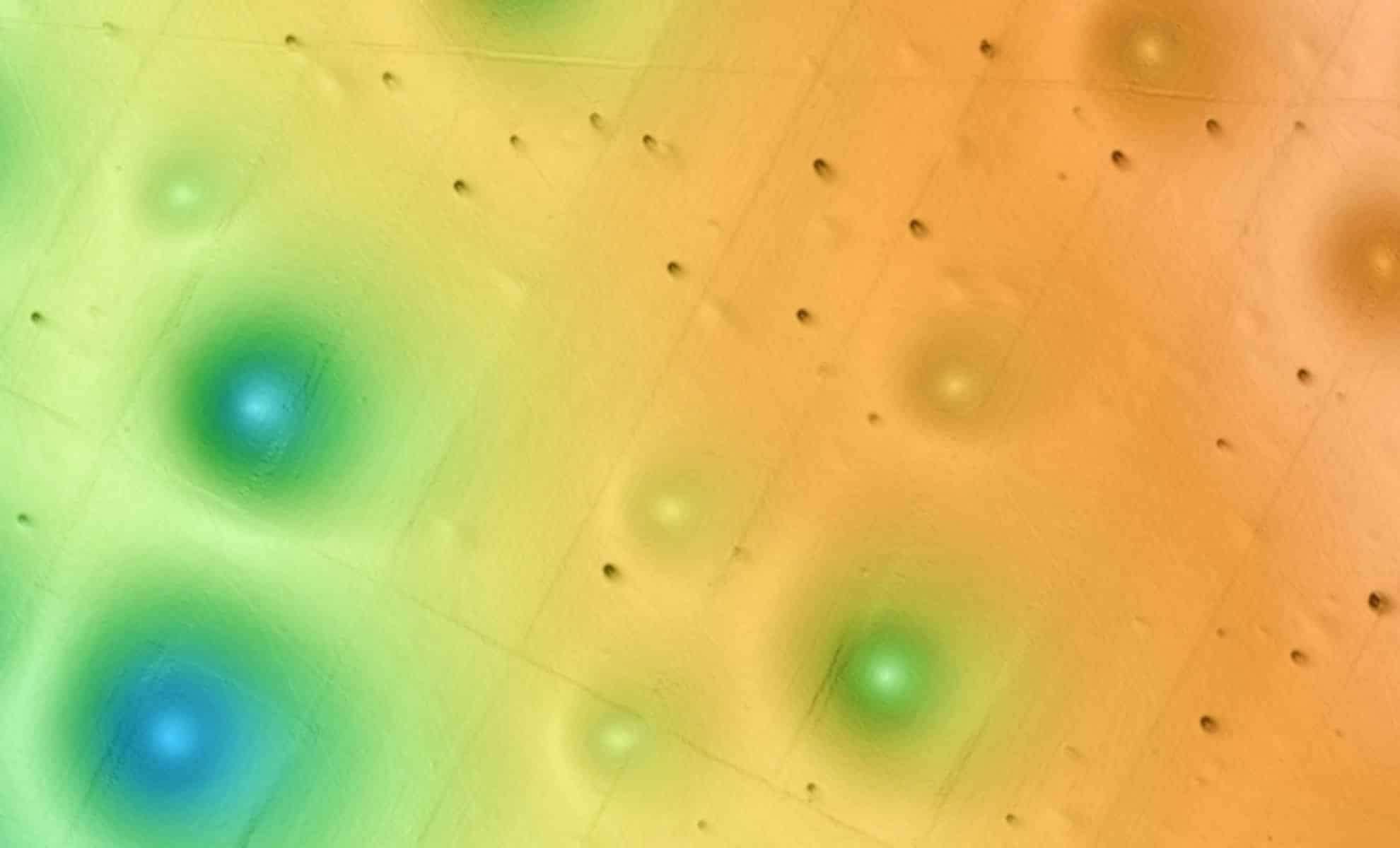
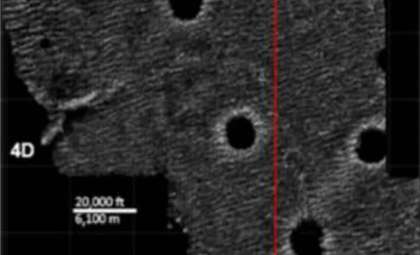
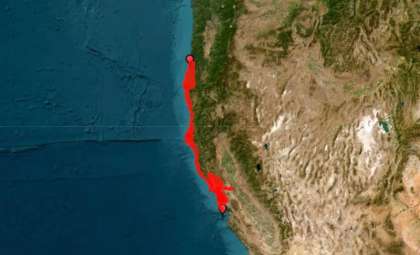
Along California’s central coastline, thousands of large, regularly spaced depressions scatter the seafloor, intriguing marine scientists for years. Covering an area of roughly 500 square miles and plunging as deep as 16 feet, these pockmarks were once thought to be the result of methane gas escaping through the sediment. Yet, a new study featured in the Journal of Geophysical Research Earth Surface challenges this long-held belief and introduces a transformative explanation with important consequences for future oceanic developments, including offshore wind energy farms. This investigation, conducted by specialists from the Monterey Bay Aquarium Research Institute (MBARI), the U.S. Geological Survey (USGS), and Stanford University, uncovers the genuine factors behind these underwater formations.
Advanced Robotics Unveil Unexpected Seafloor Patterns
Employing state-of-the-art robotic submarines, researchers achieved an unparalleled level of detail in mapping the seafloor’s intricate features. Remote-operated vehicles, such as the Doc Ricketts, completed 30 exploratory dives, capturing thousands of hours of footage and retrieving 107 vibracores along with 433 shallow pushcores from inside the pockmarked depressions. These efforts enabled centimeter-scale mapping accuracy and allowed scientists to probe sub-sediment layers using a CHIRP sub-bottom profiler.
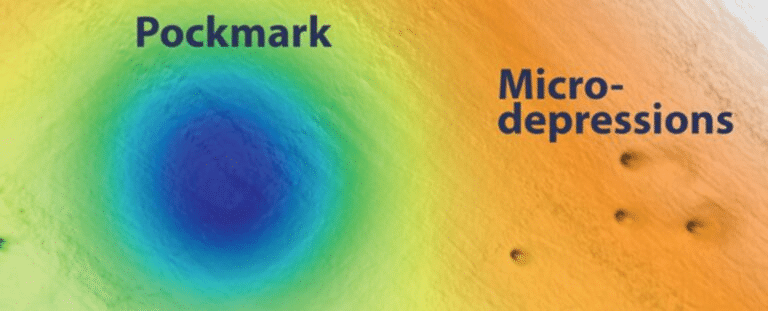
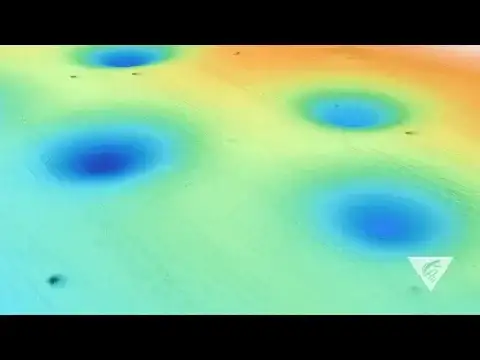
This high-precision survey highlighted that the pockmarks were aligned in an almost exact grid, each approximately 656 feet across. This pattern indicates that a dynamic geological process, rather than methane venting, formed and maintained these features. Beneath the surface, layers were found to comprise sand deposits instead of gas accumulations, pointing to the presence of ancient sediment movements rather than gas seepage.

Eve Lundsten, a research technician at MBARI, explained, “The extensive data we gathered led us to unexpectedly associate these pockmarks with sediment gravity flows.” This breakthrough paves the way for more detailed studies to understand the longevity and evolution of these seafloor structures.
Understanding Sediment Gravity Flows and Their Impact on Seafloor Landscapes
Sediment gravity flows are underwater landslides composed of mixtures of sand, mud, and other particles. These powerful events race down continental slopes, sculpting the ocean floor by creating depressions known as pockmarks. The recent findings attribute the California seafloor pockmarks to such sediment flow events that took place tens of thousands of years ago.
These sediment avalanches deposit layers of sand and mud as they progress, continually reshaping the seabed. Research shows that these flows have been occurring for at least 280,000 years, with the latest incidence happening roughly 14,000 years ago. Each event renews the pockmark formations by refilling them with fresh sediment, which explains their remarkable preservation. This insight deepens scientists’ understanding of seafloor dynamics and the processes that maintain these unique features.
“While the exact mechanism of the pockmarks’ origin remains partly unclear, MBARI's sophisticated underwater equipment has offered us new perspectives on the reasons behind their persistence over extensive geological timescales,” Lundsten added. This highlights the continuing quest to fully decipher the genesis of these ocean-floor depressions.
Implications for Offshore Renewable Energy Development
The conclusions drawn from this research extend beyond geological interest to practical implications for emerging renewable energy projects. As offshore wind farms gain momentum, ensuring the ocean floor’s stability is essential for safely anchoring turbine foundations against the powerful marine environment. If unchecked methane emissions had been present, they could jeopardize foundation integrity and threaten project viability.
Discovering that sediment gravity flows, not methane release, are responsible for the seafloor holes substantially reduces concerns about ground instability for future offshore infrastructure. This knowledge supports developers and policymakers seeking to expand offshore wind energy in the region by addressing previously unknown geological risks.
“Accelerating renewable energy development is vital to drastically reduce carbon emissions and combat climate change,” stated MBARI President and CEO Chris Scholin. “Yet, questions remain about environmental consequences of offshore wind farms. Our research helps fill crucial gaps in ocean science to guide sustainable management of marine resources.”
- Categories:
- News





0 comments
Sign in to Comment