
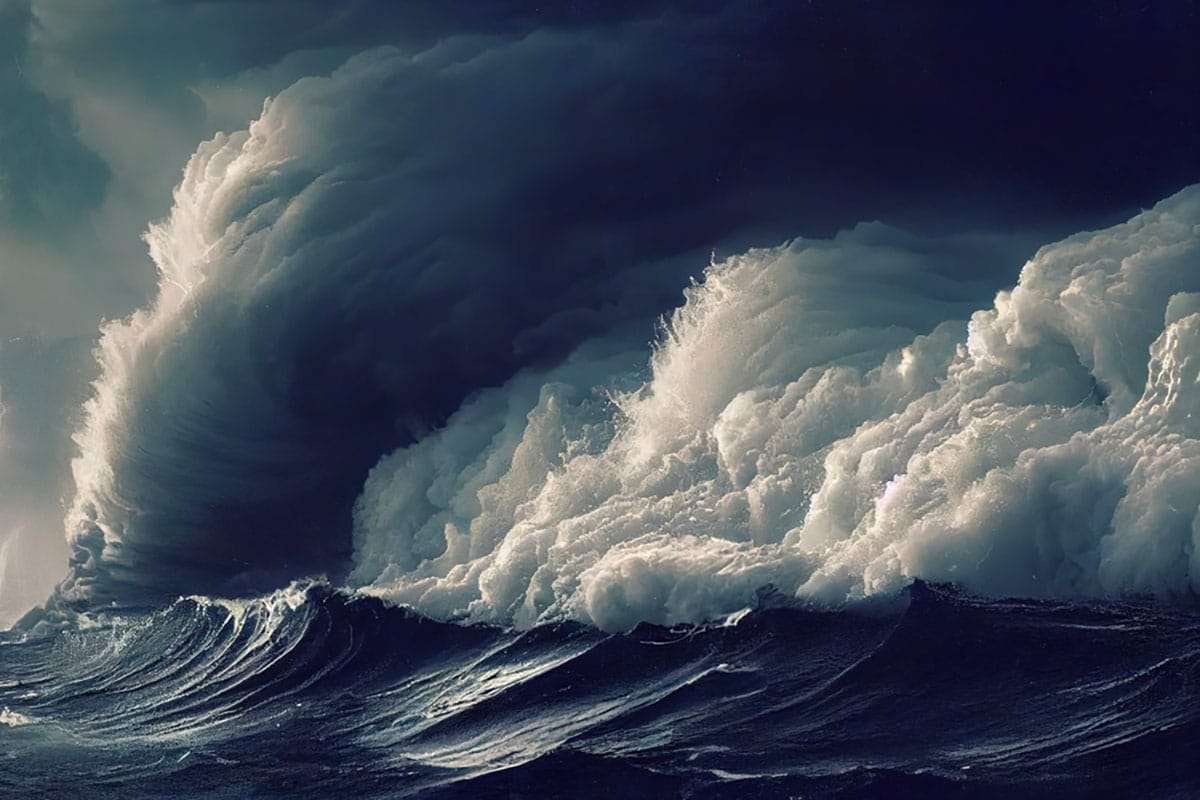
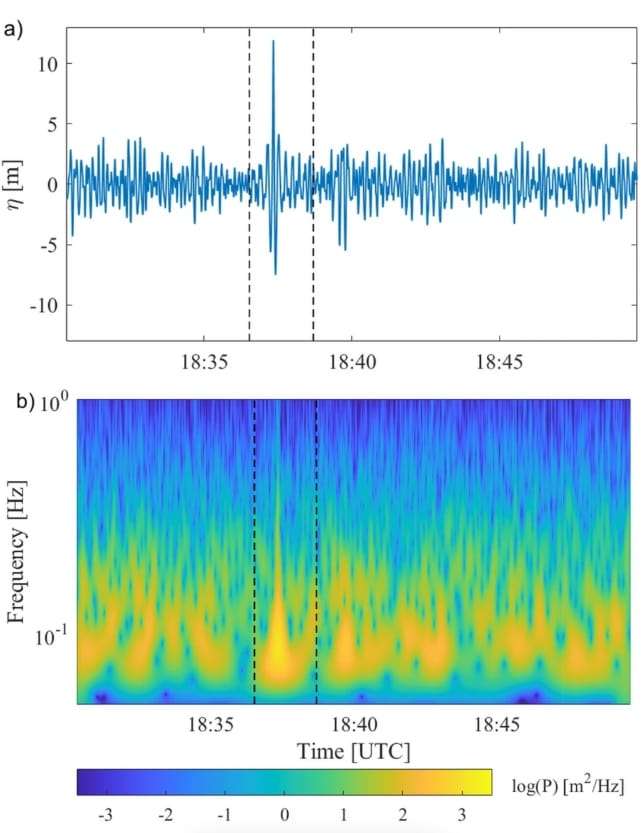
In November 2020, an unprecedented oceanic giant was detected off British Columbia’s coast. Standing at an astonishing 17.6 meters (58 feet), this rogue wave was recorded by a MarineLabs buoy, marking it as the most extreme rogue wave documented live to date. The detailed findings, published in Nature Communications, challenge conventional understanding of rogue waves and underscore their unpredictable nature—posing serious threats to maritime safety and coastal areas.
This extraordinary wave appeared near Vancouver Island, a location where such events were previously anticipated but rarely captured. This observation further confirms that rogue waves—enormous waves far exceeding the size of their neighbors—are tangible hazards rather than maritime folklore. Data from the buoy showed the rogue wave emerged from a sequence of smaller waves, rapidly escalating in height without warning, a signature characteristic of rogue wave events.
Decoding Rogue Wave Formation
Rogue waves are ocean waves that reach heights at least double the significant wave height, making them especially hazardous. The November 2020 event exhibited a height-to-significant-wave ratio (H/Hs) of 2.9, vastly exceeding normal wave expectations. These waves remain enigmatic because their unpredictable size and sudden emergence complicate forecasting efforts.

Historically, rogue waves have fueled intrigue and apprehension. One notable instance, the Draupner wave in 1995, was the first scientifically verified rogue wave, paving the way for deeper research. The 2020 rogue wave near Vancouver Island provides crucial new data, reinforcing the notion that such waves, while rare, are not as uncommon as once thought and carry significant risk for maritime ventures.
Technological Insights and Measurement Approaches
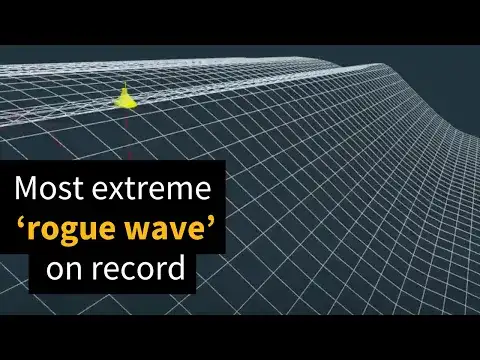
The MarineLabs buoy responsible for capturing this wave employs sophisticated instruments to register wave heights with exceptional accuracy. It collects surface elevation data at 5 Hz, allowing near-real-time monitoring of wave dynamics. Researchers noted the rogue wave was part of a ten-wave group, distinguished by its exceptional height. By utilizing differential GPS and 3-D inertial measurement units (IMUs), scientists validated the wave’s extreme stature and its rapid surge, hallmarks of rogue wave patterns.
Monte Carlo simulation techniques were applied to model the wave behavior and estimate the probability of such events. The analysis concluded that this rogue wave represented a once-in-1,300-years occurrence, based on probabilities derived from linear wave superposition models.
Rogue Waves and Maritime Safety Risks
Rogue waves are not just theoretical phenomena; they present tangible dangers to vessels and offshore infrastructure. These sudden, massive waves can inflict devastating damage without warning. The rogue wave near Vancouver Island serves as a stark reminder of the heightened dangers shipping faces in the Pacific Ocean.
The repercussions of such massive waves span commercial shipping routes, offshore installations, and coastal zones. Due to their unpredictability and sheer force, enhancing forecasting capabilities is critical to mitigate threats to human lives and marine infrastructure.
Advances and Obstacles in Rogue Wave Forecasting
The primary challenge in predicting rogue waves lies in their sudden and unexpected development. Unlike regular waves, rogue waves form from smaller waves aligning and amplifying into one gigantic swell. This random combination of steep waves remains a key driver behind these rare occurrences, although refinement in prediction techniques is ongoing.
One promising method involves analyzing the crest-trough correlation (r), assessing the link between wave crests and troughs. A higher correlation strongly suggests an increased potential for rogue wave generation. The WAVEWATCH III® model has shown notable aptitude in predicting rogue wave risk by integrating real-time observational data with oceanic simulations.
- Categories:
- News









0 comments
Sign in to Comment