
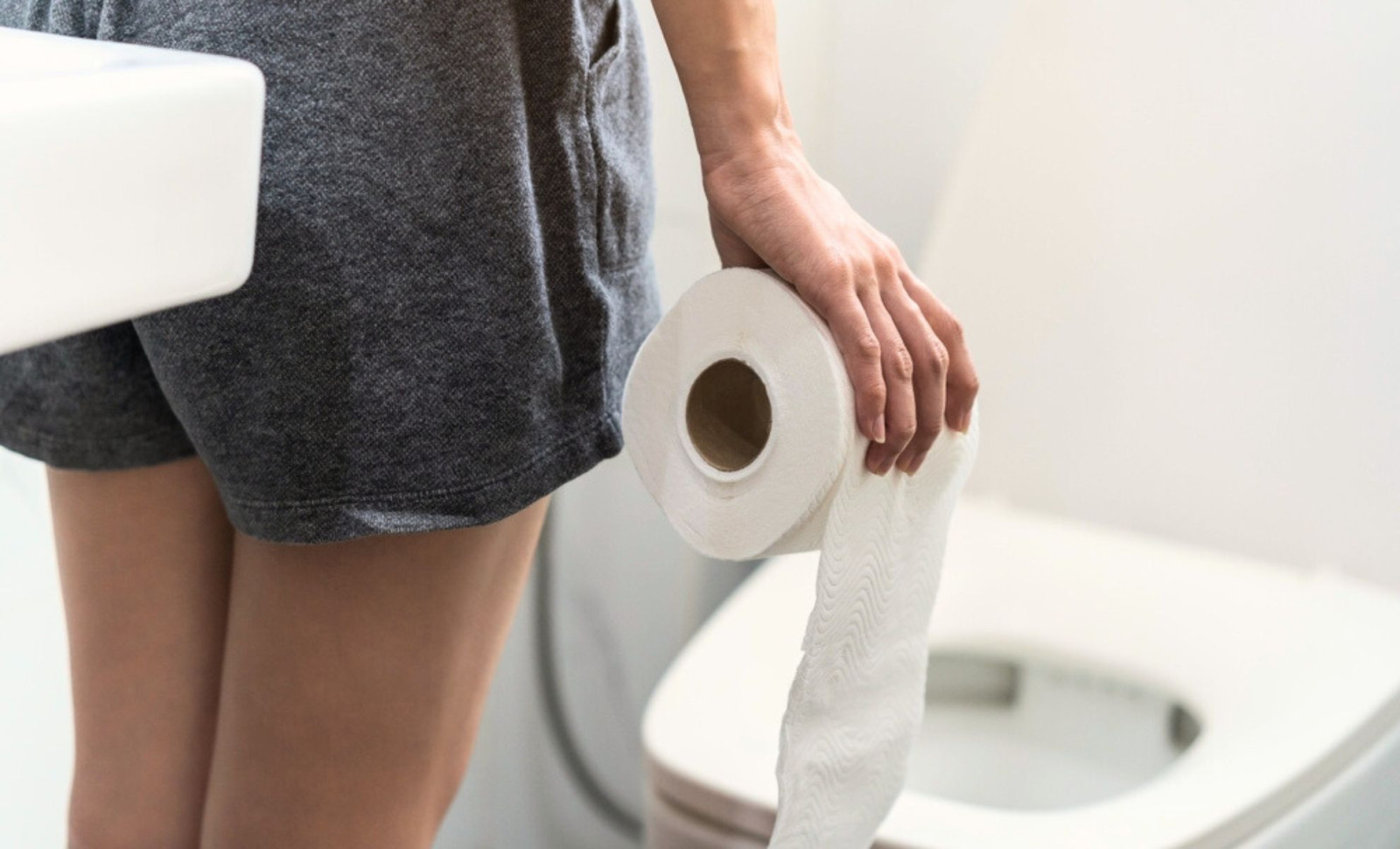
On supermarket shelves across the United States, toilet paper rolls wrapped in green-themed packaging advertise their eco-conscious benefits. Consumers reach for bamboo toilet paper believing they are choosing a greener alternative to traditional wood pulp products. Bamboo’s rapid growth and minimal pesticide requirements suggest an environmentally friendly edge, and the label “tree free” resonates with those aiming to shrink their environmental impact.
Naycari Forfora, during her Ph.D. studies at North Carolina State University’s College of Natural Resources, scrutinized these claims. In collaboration with researcher Ronalds Gonzalez, she investigated whether the environmental claims stood up to scientific evaluation. Their results, published in Cleaner Environmental Systems, reveal a more nuanced picture of what constitutes sustainable bathroom tissue.
Insights from Life Cycle Assessment
The study conducted a comprehensive life cycle assessment contrasting U.S.-made wood tissue with bamboo tissue produced in China and transported overseas. They accounted for carbon emissions from forestry and bamboo cultivation through processing facilities and shipping logistics.

Traditional U.S. tissue made using light dry crepe methods emitted about 1,824 kilograms of carbon dioxide equivalent per ton, while Chinese-made bamboo tissue generated around 2,400 kilograms per ton. Higher-end ultra-soft varieties, which rely on energy-heavy creped through air drying processes, yielded even greater emissions, with bamboo blends at 2,739 kilograms compared to 2,531 kilograms for conventional wood pulp.
Forfora highlighted that consumers tend to equate “tree-free” products with “low-impact” choices, but environmental outcomes depend on more than fiber source. Manufacturing processes, steam generation fuels, and transportation distances all significantly affect the ecological footprint.
The Impact of Energy Sources
The disparity in emissions isn’t rooted in the raw fibers alone. Bamboo cultivation is not intrinsically worse than harvesting eucalyptus or softwood trees. The key difference arises from production energy sources and facility operations.

The analyzed Chinese paper mills primarily depend on coal-powered electricity and fossil fuels for steam and drying. In contrast, Canadian mills supplying U.S. pulp benefit from primarily hydroelectric power, while Brazilian operations utilize significant amounts of biomass energy from pulping residues. Modeling the bamboo tissue manufacturing with a cleaner power grid led to a notable reduction in emissions, bringing it closer to wood-based product levels.
Gonzalez emphasized that this shifts focus away from the raw material and towards the energy infrastructure behind production. Bamboo, like wood, undergoes similar processing steps. Since commercially used trees are sustainably managed plantations, coal-dependent manufacturing facilities push the environmental impact higher.
Water-Based Solutions Offer Alternatives
Aside from paper-based options, water cleaning technologies such as bidets have long been common in Europe, Asia, and the Middle East. Contemporary models from companies like Toto offer features like heated water, air dryers, and automatic nozzle cleaning.

These devices can diminish household toilet paper use by up to 75 percent, dramatically reducing fiber demand. The surge in adoption owes much to affordable aftermarket attachments that can be fitted to existing toilets without needing professional installation or renovation. Industry reports from Mordor Intelligence suggest that growing bidet popularity may temper future growth of the tissue paper market.
Challenges Posed by Flushable Wipes
Many consumers searching for alternatives turn to flushable wipes, composed of synthetic fibers designed for durability rather than rapid breakdown. Wastewater professionals recognize these wipes as a significant risk to city sewage infrastructure.
The National Association of Clean Water Agencies reported that wipes add roughly $441 million in annual costs to U.S. water treatment utilities, due to increased maintenance needs. The synthetic fibers cause blockages by entangling in pumps and combining with grease to form stubborn fatbergs, which require expensive equipment to remove. These expenses ultimately burden taxpayers through higher utility bills.
Research published in the Journal of Cleaner Production confirmed that even wipes marketed as flushable largely remain intact during sewer transit. This study traced how wipes cling to rough surfaces inside pipes and gather with fats to create persistent clogging issues.
Industry Trends and Outlook
The global market for toilet paper is projected to grow from $56.9 billion in 2026 to $66.43 billion by 2031, fueled primarily by sanitation improvements in Asia-Pacific nations like India and China. Recycled fiber currently accounts for over half of the market, while bamboo and other alternatives occupy a smaller but expanding share.
The North Carolina State University report was funded by the Sustainable and Alternative Fibers Initiative, a partnership focused on global fiber sustainability. Contributors included experts from the university’s Department of Forest Biomaterials.
The study’s authors caution that their work is not a critique of bamboo fiber itself. In regions where electricity production is cleaner, bamboo tissue’s environmental performance is comparable to wood-based products. Ultimately, the climate impact depends more on manufacturing energy sources than on the raw material chosen.
- Categories:
- News









0 comments
Sign in to Comment