
For over a century, toilet paper has been the go-to solution for personal hygiene, a staple scarcely questioned in households worldwide. However, this longstanding tradition is now being disrupted—not by a tech startup or new regulations—but by a proven innovation from Japan known as the Washlet.
Developed by Japanese plumbing pioneer TOTO, the Washlet is an advanced toilet seat equipped with water cleaning, air drying, and many smart features such as heated seats, motion detection, and automatic nozzle cleaning. Its growing adoption signals a shift in global perspectives on comfort, hygiene, and environmental responsibility within bathrooms.
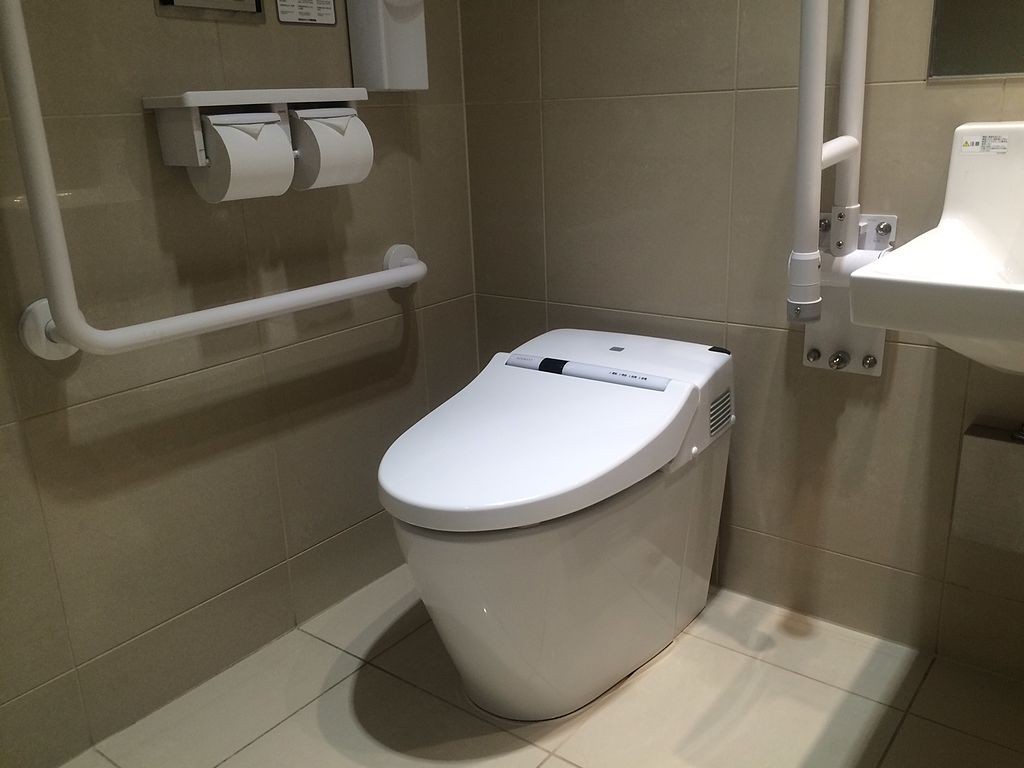
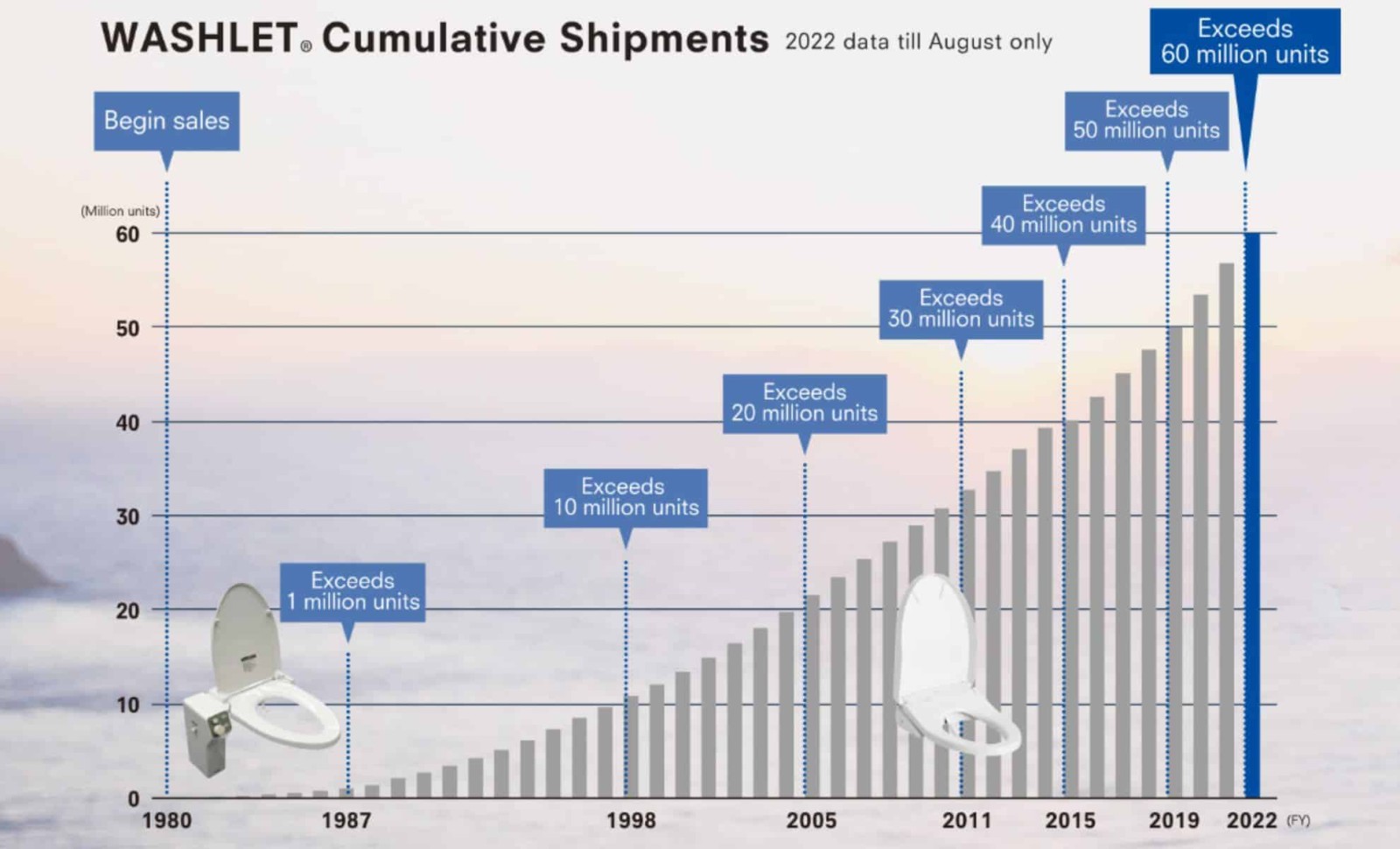
Previously seen as a regional novelty outside East Asia, the Washlet has now reached critical mass. By 2022, sales surpassed 60 million units globally, with adoption exceeding 80% in Japanese residences. In Western countries, its popularity is rising significantly, partly spurred by pandemic-related shortages that led consumers to reconsider traditional paper products.

The Environmental Footprint of Toilet Paper
Toilet paper consumption in the United States alone is enormous. An average individual uses about 140 rolls annually, which collectively demands the harvesting of around 15 million trees and nearly 473 billion gallons of water, according to the Natural Resources Defense Council.
In contrast, a typical Washlet cycle uses approximately 0.5 liters of water, a minimal amount compared to the resources needed to produce a single roll. These devices are also designed to conserve energy by heating water only when necessary and incorporating standby modes to reduce power use.
A 2021 analysis in the Journal of Cleaner Production found that switching to bidets can cut the carbon emissions associated with bathroom hygiene by up to 75% over time. This improvement stems from using water instead of raw paper pulp and eliminating the need for chemicals and plastic packaging.
The COVID-19 pandemic also triggered a spike in demand for bidets, as toilet paper shortages underscored vulnerabilities in supply chains. Online searches for “bidet toilet seat” soared to record levels, with many users adopting the Washlet permanently.
Evolution from Medical Use to Everyday Essential
TOTO’s first Washlet debuted in 1980, evolving from earlier water-based hygiene solutions originally developed for hospitals and elder care during the 1960s. Early American “wash-air seats” had issues with bulkiness, cost, and temperature control. TOTO reinvented the concept, introducing the Washlet G model after thorough ergonomic and practical research.
The Washlet gained recognition as a Mechanical Engineering Heritage achievement in Japan. Modern versions boast numerous features crafted to enhance hygiene, comfort, and sustainability:
- Customizable warm water sprays for front and rear cleansing
- Automatic self-cleaning nozzles that rinse before and after each use
- Integrated air dryers and odor control systems
- Energy-efficient heated seating with sleep modes
- Contactless operation via motion sensors or remote controls
- Removable seats for easy cleaning and upkeep
TOTO’s official site calls the Washlet “a transformative technology,” blending cleanliness, style, and wellbeing. The product is positioned less as a luxury and more as a daily health enhancement.
Today, Washlets are standard in hotels, airports, workplaces, and private bathrooms across Asia, the Middle East, and parts of Europe. Major retailers such as Amazon, Home Depot, and Best Buy offer Washlet-compatible seats for easy home installation, often without the need for professional plumbing.
Shifting Attitudes Toward Bathroom Hygiene
Resistance to bidets in Western countries has largely been cultural, with many unfamiliar or dismissive of the concept. However, this is changing rapidly, propelled by social media awareness.
Influencers and environmental advocates on platforms like TikTok and YouTube are promoting bidets as sensible, eco-friendly alternatives rather than uncommon luxuries. Younger generations are particularly drawn to innovations reflecting sustainability, simplicity, and technology-driven convenience.
Installation is straightforward as most Washlets fit existing toilet designs and only require a power outlet nearby. Price points are also becoming more accessible, with entry models under $300 providing essential features like self-cleaning nozzles and pressure adjustment.
Public restroom upgrades mirror this trend. Airports in Germany, Dubai, and South Korea now feature built-in bidet fixtures, highlighting both improved user experience and hygiene benefits.
- Categories:
- News










0 comments
Sign in to Comment