
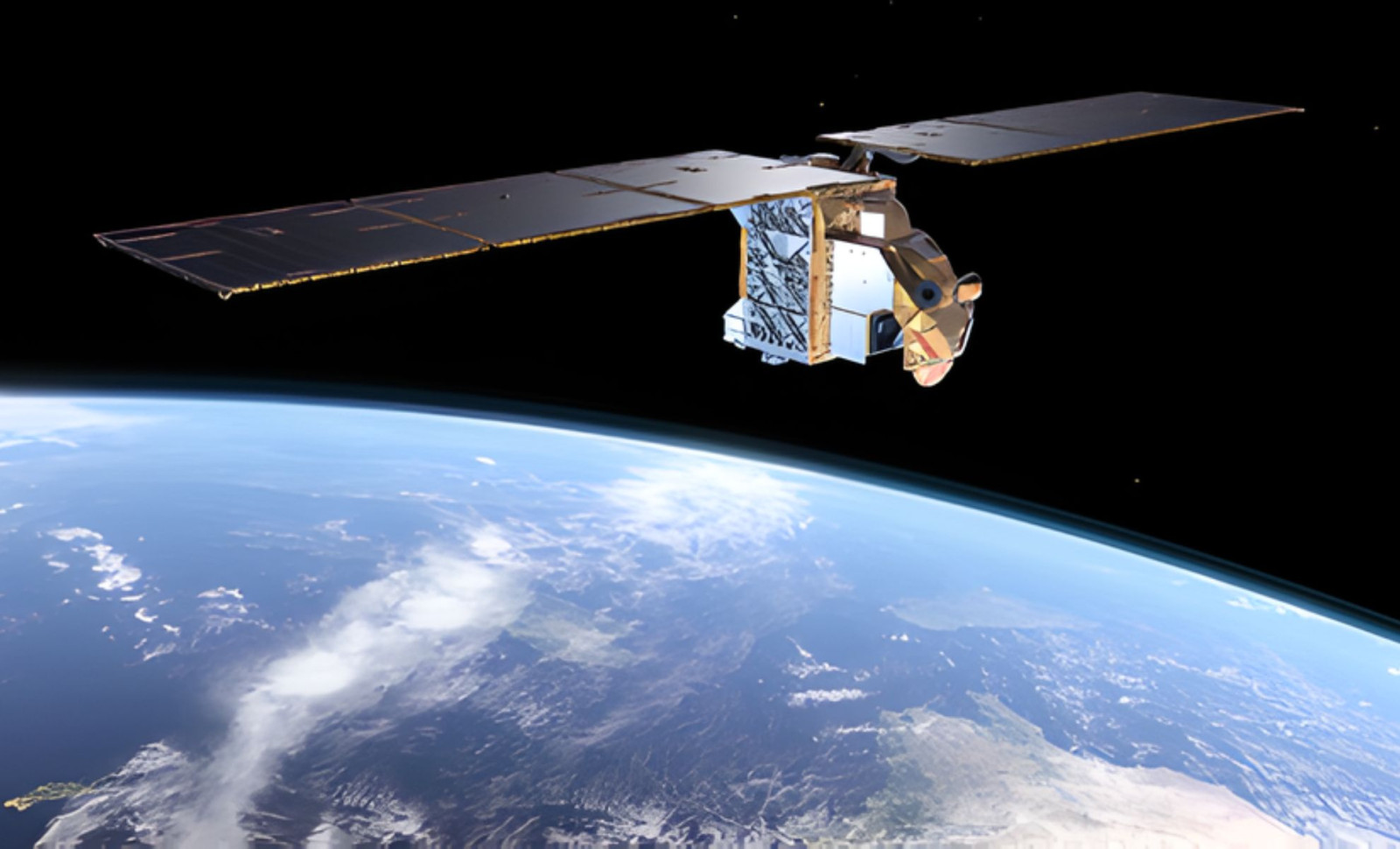
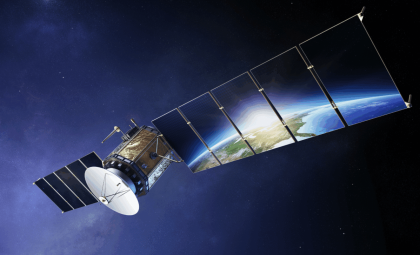
The European Space Agency's Arctic Weather Satellite (AWS), initially a compact experimental mission, has proven instrumental in paving the way for a comprehensive network of weather satellites. Its impressive data quality and efficient operation have encouraged Europe’s meteorological satellite agency, Eumetsat, to greenlight a full constellation, with launches anticipated to commence in 2029.
Launched in August 2024, the AWS was developed within just three years under tight budget constraints. ESA aimed to showcase how smaller, cost-efficient satellites could reliably collect data in the harsh conditions of polar orbits, redefining Earth observation strategies.
Designed for Rapid and Accurate Arctic Monitoring
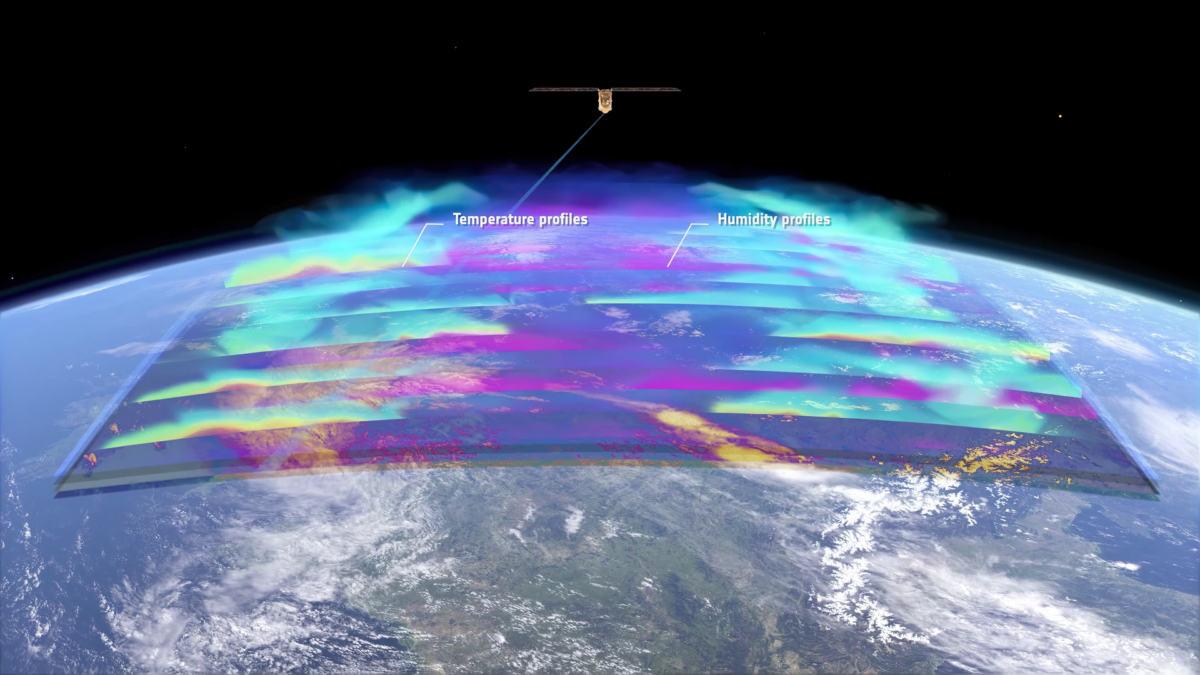
This satellite's primary mission centers on capturing frequent measurements of temperature and humidity, with a special emphasis on water vapor dynamics, which are notably variable in the Arctic environment. Such fluctuations often challenge meteorologists due to the lack of timely satellite data in these high-latitude regions.

Armed with a cross-track scanning microwave radiometer, AWS collects precise atmospheric temperature and moisture information. According to ESA reports, its data is now incorporated into operational models by the European Centre for Medium-Range Weather Forecasts (ECMWF), marking a significant achievement as the satellite was not initially intended for active forecast use.
ESA’s objective was to explore how a constellation of similar satellites in polar orbits could provide more frequent and timely data, crucial for nowcasting—short-term weather prediction. The satellite’s success now serves as a foundation for expanding this satellite fleet.
Advancing the EPS-Sterna Satellite Network
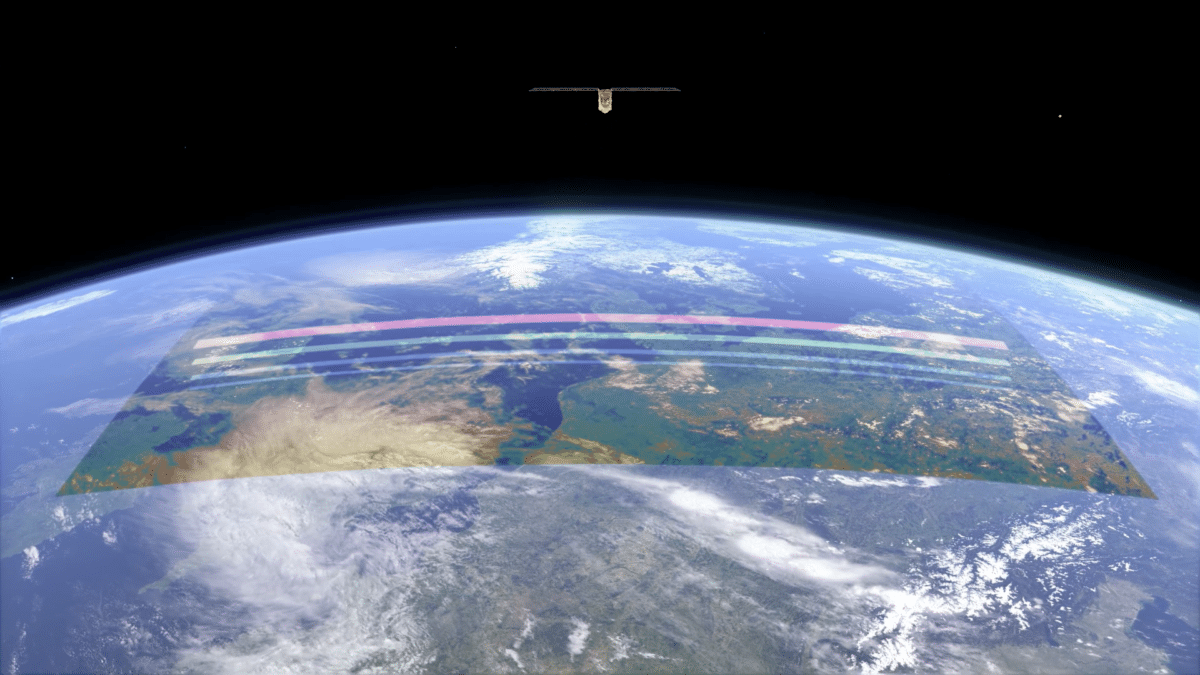
Building on AWS’s accomplishments, Eumetsat has approved the development of the Eumetsat Polar System, Sterna (EPS-Sterna). This initiative will deploy a fleet of six active satellites with two backups, supported by planned replacements to maintain continuous global coverage through 2042.
ESA highlights that the planned constellation aims to reduce revisit intervals to under three hours at any given Earth location, a major upgrade from the current limit of two daily observations. This improvement is especially valuable for rapid-evolving severe weather monitoring.
ESA will manage the construction and deployment of the EPS-Sterna satellites in partnership with Eumetsat, employing a collaborative approach akin to the existing Meteosat and MetOp programs. The first satellite launches are scheduled for 2029, pending formal agreements between the agencies.
An Experimental Satellite That Exceeded Goals
Ville Kangas, the ESA project manager for AWS, expressed satisfaction with how the mission developed and performed.
“We developed this innovative satellite under very tight time and budgetary constraints, proving that this approach can be adopted for a constellation of such satellites,” he stated. He also highlighted that the satellite exceeded expectations by being operationally useful, a goal not originally required.
The Arctic Weather Satellite complements larger systems run by organizations like NOAA in the US and the China Meteorological Administration, fostering enhanced cooperation in global weather prediction networks.
- Categories:
- News








0 comments
Sign in to Comment