
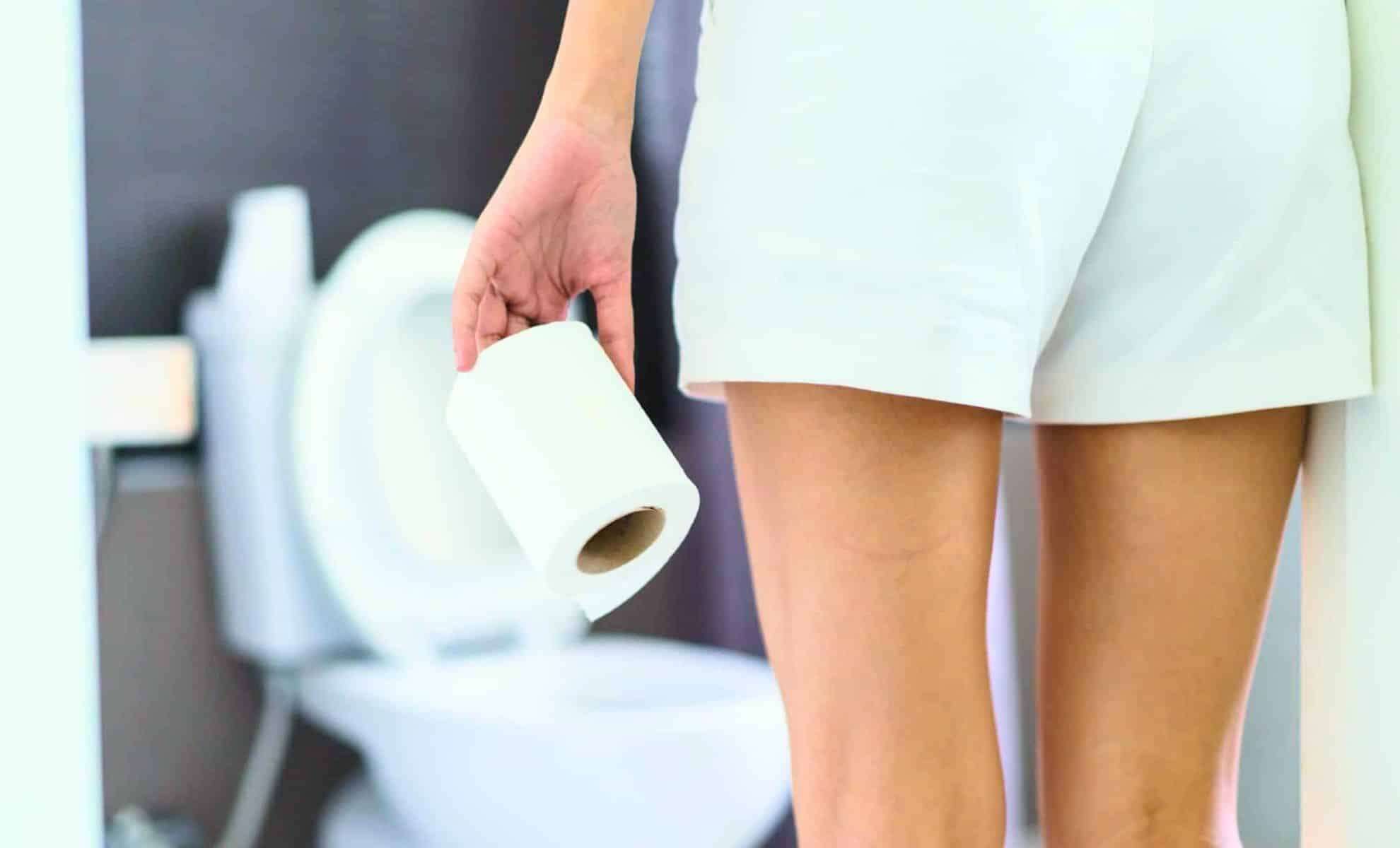
Toilet paper has served as a bathroom essential for decades, yet it’s now being overtaken by a more efficient, eco-conscious option. In Japan, washlet toilets featuring integrated bidet functions have become the standard. These innovative fixtures are increasingly popular worldwide, fueled by environmental concerns and the pursuit of better hygiene.
The Natural Resources Defense Council (NRDC) highlights that U.S. toilet paper consumption annually leads to the loss of over one million acres of forest, predominantly Canada’s boreal woods. Each roll demands approximately 37 gallons of water, 1.5 pounds of timber, and significant energy, underscoring a pressing need to rethink hygiene products.
The True Environmental Cost Behind Toilet Paper
Beyond deforestation, producing and disposing of toilet paper introduces harmful chemicals into waterways due to the bleaching process. Added to that, packaging and transport contribute heavily to carbon emissions. The environmental toll doesn’t end with production alone.

Medical experts caution against dry wiping, particularly during digestive problems. Dr. Rosemarie Ingleton explains, “Dry wiping can leave residual bacteria and fecal matter,” raising risks of irritation and infection. For those experiencing hemorrhoids or with sensitive skin, toilet paper can often exacerbate discomfort.
While eco-friendly alternatives like bamboo-based toilet paper have emerged, they offer limited improvement over traditional dry wiping in terms of cleanliness.
Japan’s High-Tech Hygiene Revolution
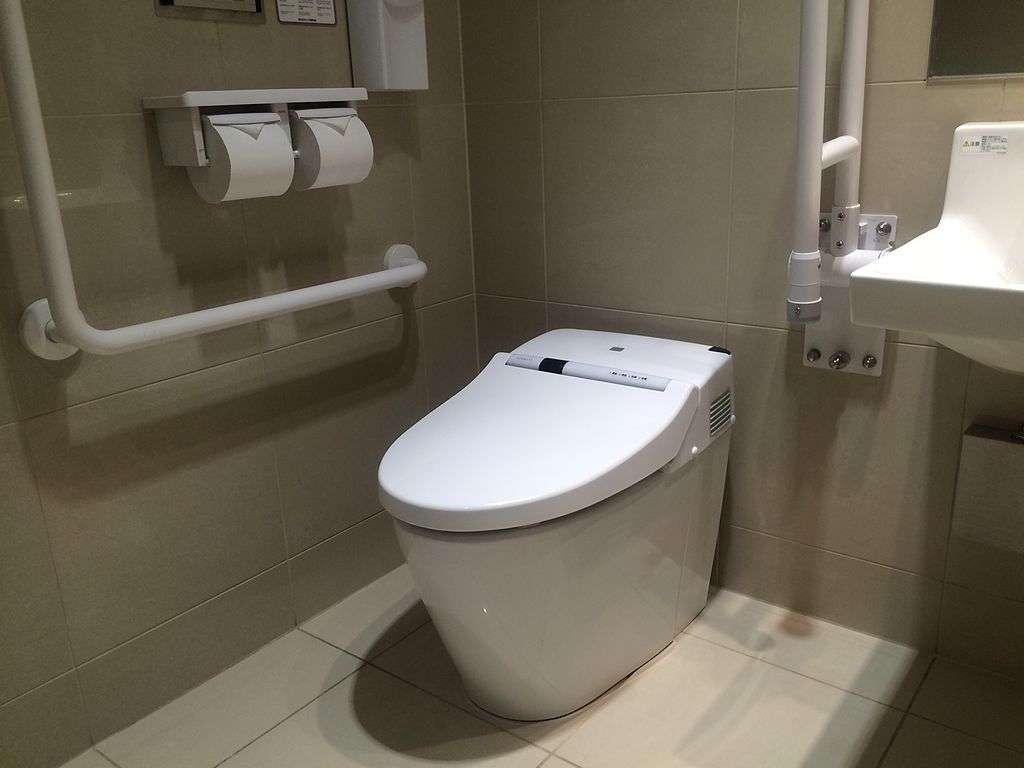
On the other hand, Japan’s popular washlet toilets provide a superior solution. These devices spray customized water jets that clean thoroughly without causing irritation. Many models also feature heated seats, warm air dryers, and touch-free controls, removing the necessity for toilet paper altogether.
A 2023 study by Japan’s Ministry of Land, Infrastructure, Transport, and Tourism found that more than 80% of households regularly use washlets. Beyond convenience, medical professionals increasingly recommend water-based hygiene for people with chronic bowel or skin conditions. Dr. Thomas L. Schwartz, a gut health specialist, states that bidets “reduce bacterial contamination and improve comfort for patients with ongoing intestinal disorders.”
Lower Environmental Impact Yields Major Benefits
Although bidets consume water, their environmental footprint is considerably smaller than that of toilet paper. A 2022 report by The Environmental Paper Network estimates that switching to water-based cleaning can eliminate the need for toilet paper use by up to 100% in some households. Key advantages include:
- Conservation of forests
- Reduction in greenhouse gas emissions
- Decreased pressure on wastewater treatment plants
- Fewer plumbing clogs and sewer problems
This shift helps maintain cleaner urban infrastructure and lessens the burden on aging municipal water systems, a crucial benefit for cities worldwide.
Growing Accessibility Leads to Wider Adoption
What was once considered a luxury item is now affordable and easy to install. Bidet attachments compatible with existing toilets can be found for as little as $40, while advanced models offering heated features and remote controls typically cost under $600.
Installation is straightforward, requiring no complicated plumbing or electrical work and often completed within 15 minutes. According to the U.S. manufacturer Brondell, an average family of four can save over 380 rolls of toilet paper annually, translating to about $180–$250 in costs saved.
As Brooklyn resident Rachel F. shares: “We started using one out of curiosity, and now we won’t go back. We feel cleaner, and we haven’t needed to buy toilet paper in months.”
- Categories:
- News











0 comments
Sign in to Comment