

NASA’s Office of Technology, Policy, and Strategy (OTPS) has introduced a detailed report presenting innovative and budget-friendly solutions for tackling the growing issue of orbital debris.
The document focuses on evaluating risks and expenses over a 30-year timeframe, offering fresh perspectives on assessing and reducing hazards stemming from the rising volume of debris orbiting Earth. As space congestion intensifies, these advanced strategies are essential to preserving the long-term viability of orbital operations, marking this report as a pivotal contribution to space governance.
Confronting the Escalating Risks of Orbital Debris
With the surge in space endeavors, the accumulation of objects in orbit has become a serious concern. This debris encompasses inactive satellites, spent rocket components, and fragments from collisions and breakups, all of which threaten active spacecraft, including satellites and the International Space Station.

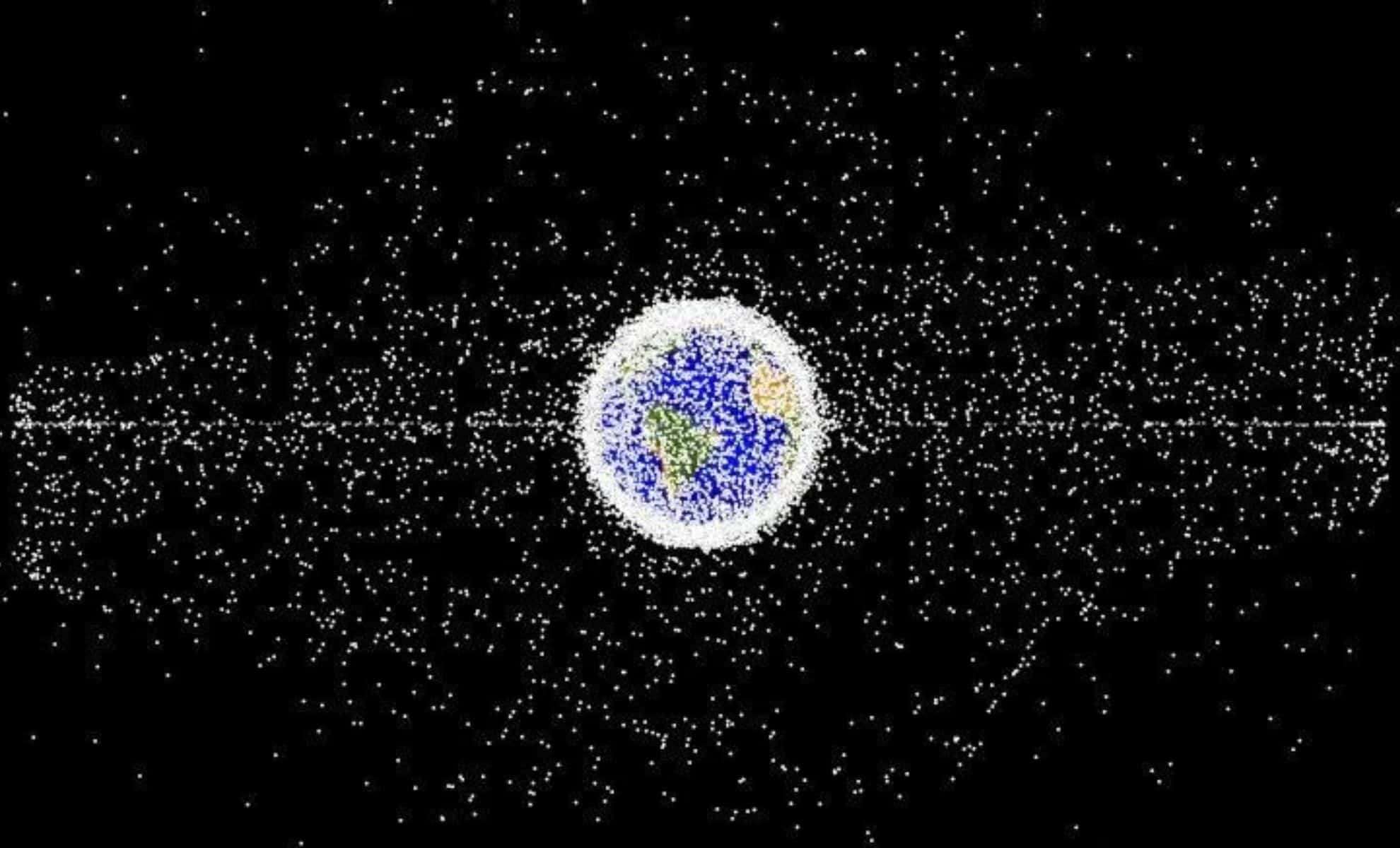
Named “Cost and Benefit Analysis of Mitigating, Tracking, and Remediating Orbital Debris,” the OTPS’s latest study advances NASA’s commitment to addressing debris hazards. Expanding on the 2023 Phase 1 report, this version offers refined risk estimations for debris across a broad size range, from large defunct objects to millimeter-scale particles. These insights are crucial for shaping precise debris control measures.
Innovative Risk Evaluation Framework
Differing from earlier analyses, the OTPS report quantifies the risk of space debris in monetary terms, moving beyond traditional metrics such as debris count.
This methodology calculates the financial impact on spacecraft operators from necessary avoidance maneuvers, near-miss events, and potential damage or loss caused by debris collisions.
By projecting the trajectory of debris accumulation over the next three decades, the research provides a thorough economic assessment of debris implications. This novel financial viewpoint clarifies the monetary stakes and supports prioritization of cost-efficient interventions.
NASA’s Tactical Solutions for Debris Reduction
Examining over ten intervention options, the report assesses the cost-effectiveness of various tactics to minimize orbital debris risk. Approaches include enhanced shielding for spacecraft, detection of smaller debris fragments, and active removal of larger debris pieces.
Through evaluating the trade-offs between expenses and advantages, the study identifies optimal strategies for debris control. It also considers combined approaches that integrate multiple tactics for a comprehensive debris management plan.
The findings suggest that methods focused on clearing large debris can be as impactful as preventative techniques that stop new debris formation. Additionally, promptly deorbiting inactive satellites is highlighted as a particularly efficient way to lower collision chances and prevent further debris generation. These revelations provide critical guidance for future policy frameworks aimed at safeguarding sustainable space operations.
Advancing Beyond Preliminary Research
The Phase 1 report from 2023 laid the groundwork by analyzing the costs and benefits of various debris mitigation techniques. The current Phase 2 report enhances these insights through more comprehensive risk assessments and incorporates preventive and tracking strategies for existing debris.
This broadened perspective equips decision-makers with robust data to better address the escalating orbital debris challenge. The report’s enriched risk modeling and expanded focus underscore a major leap in debris governance research.
Fostering Collaboration and Future Exploration
NASA’s OTPS plans to publicly release the code behind this study, promoting transparency and enabling further investigations by global stakeholders.
The team remains committed to continuously exploring orbital debris issues and sharing discoveries with the international space community, advancing a shared mission to maintain a secure and sustainable orbital environment. Open access to their research tools will facilitate ongoing innovation and support worldwide debris management initiatives.
This latest report marks a significant evolution in understanding and tackling the economic and operational risks posed by space debris. By integrating financial analysis with technical assessment, NASA and partners are strengthening efforts to develop viable debris solutions that ensure enduring space safety.
The conclusions drawn from this work will play a key role in shaping effective debris policies and protecting crucial space infrastructure for future generations.
- Categories:
- Astronomy ,
- News ,
- Space ,
- Nasa ,
- Evolution






0 comments
Sign in to Comment