
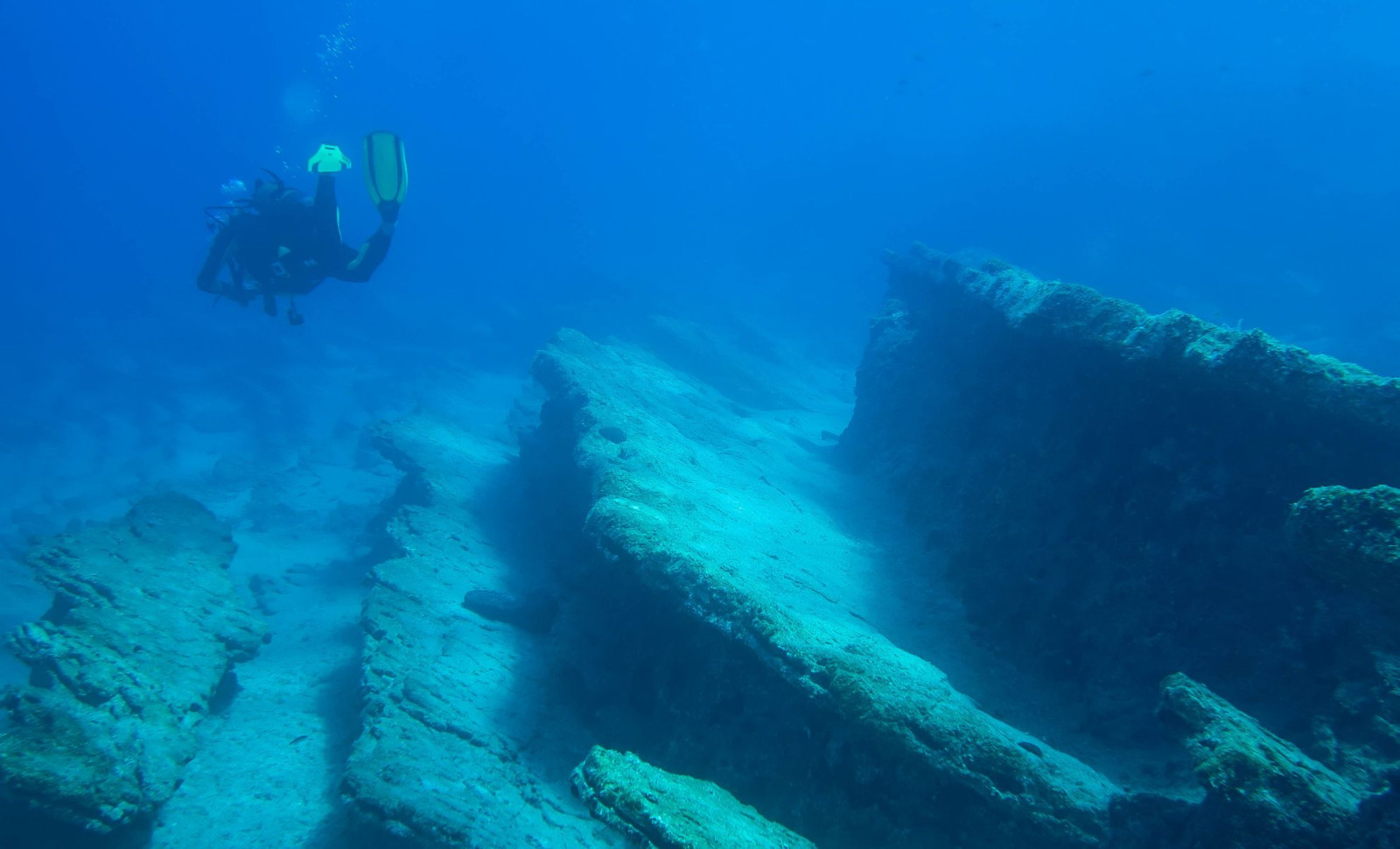
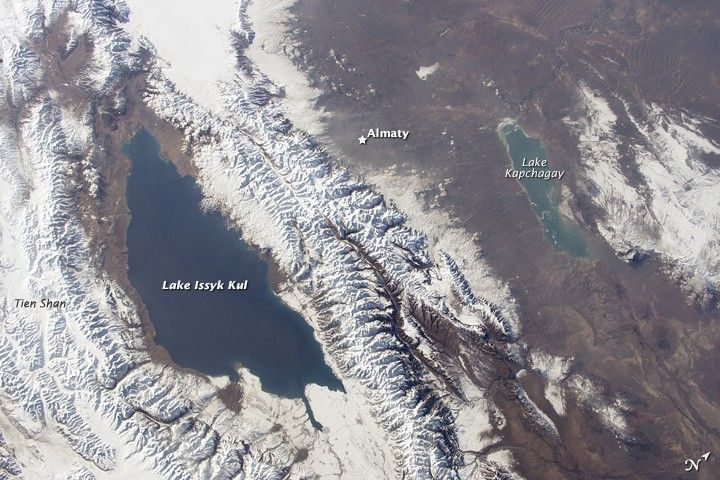
Underwater researchers investigating Lake Issyk-Kul in Kyrgyzstan have revealed evidence of a medieval settlement thought to have disappeared following a major seismic event over six centuries ago.
Lake Issyk-Kul has long been rumored to conceal ancient ruins beneath its surface. Situated along the historic Silk Road route, this lake region in Kyrgyzstan once served as a crucial link between China and the West.
In 2025, an international diving team revisited the lake to study one of these submerged places. Their findings reinforce the belief that the Toru-Aygyr site was a significant community rather than a mere lakeshore village, deeply connected to medieval trade networks.

Underwater Discoveries: Structures, Implements, and Relics
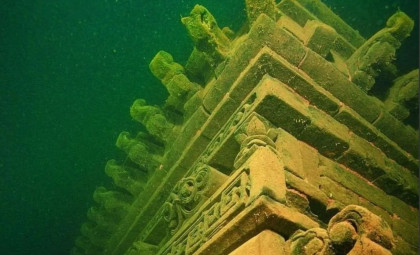
The exploration at depths reaching approximately 13 feet uncovered multiple indicators of former urban life. According to the Russian Geographical Society, the divers located brick foundations, remnants of wooden constructions, ceramic fragments, and a stone grinding wheel likely used to process wheat into flour.
A notably large building with decorative exterior elements was also identified. Archaeologists hypothesize it might have functioned as a mosque, bathhouse, or perhaps a modest Islamic educational center.
“The monument under study is a city or a large commercial agglomeration on one of the important sections of the Silk Road,” Valery Kolchenko, head of the host country’s underwater expedition, said in a statement released by the Russian Geographical Society.
The submerged ruins signal a well-established settlement with enduring structures. Stone constructions and preserved timber have survived centuries underwater, offering a window into a once flourishing community now lost to time.
A Hidden Community Beneath the Waters
One of the most remarkable finds is a Muslim necropolis dating back to the 13th or 14th century. Researchers noted that ongoing erosion from the lake threatens the site, highlighting the urgency and importance of documenting it.
The team uncovered two individuals buried aligned toward Mecca, consistent with Islamic burial customs. Close to this, they found an older cemetery area featuring both rounded and rectangular tombs.

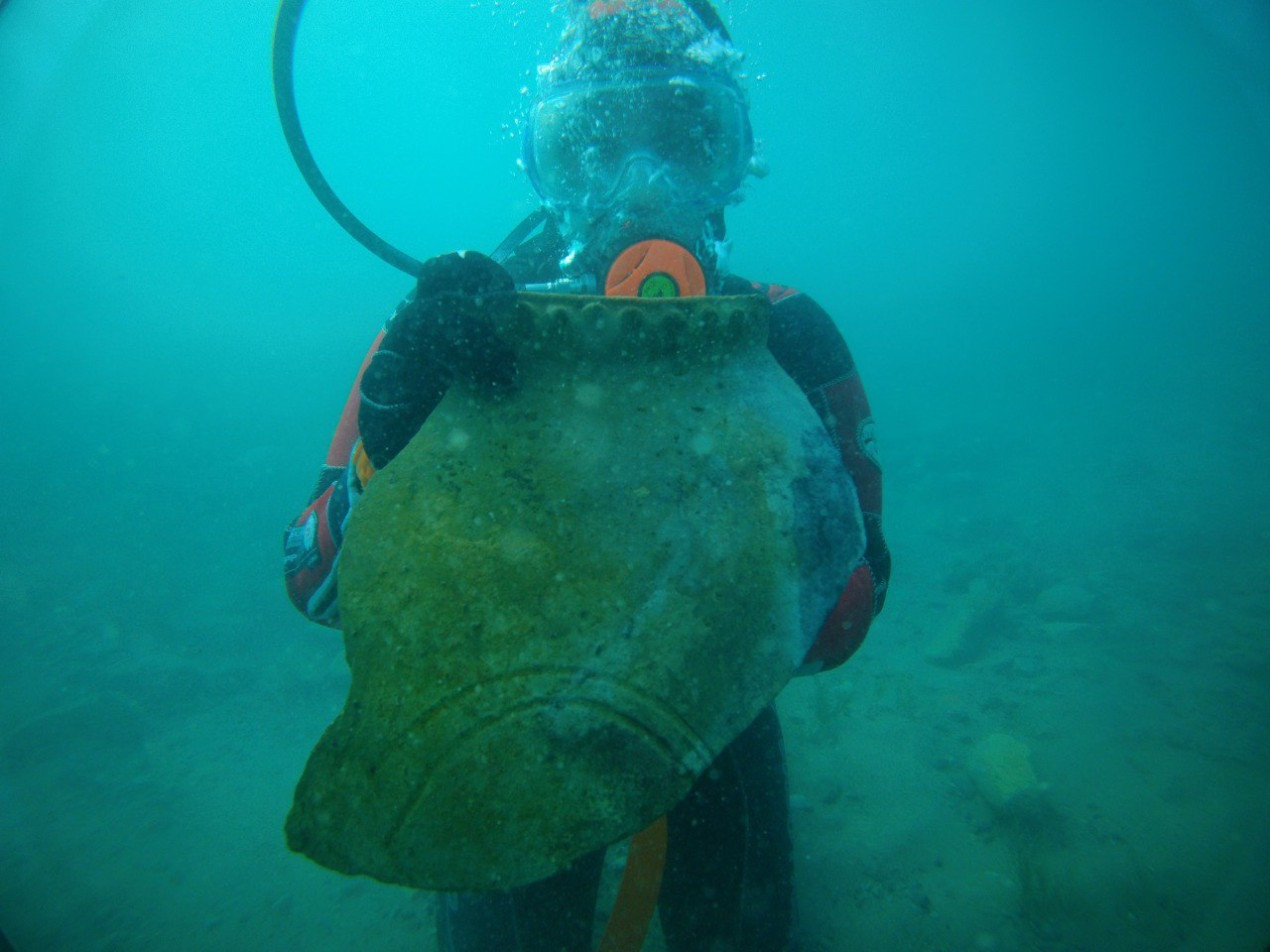
Additionally, the expedition brought up various artifacts, such as ceramic pieces and a perfectly preserved pottery vessel, remarkably intact after centuries submerged.
A Seismic Event That Reshaped the Landscape
Experts suggest that a devastating earthquake in the early 15th century caused the flooding of this area. Kolchenko mentioned that the settlement may have been mostly deserted by this time, but the earthquake likely prompted widespread regional transformation.
This discovery sheds light on broader historical changes. Maksim Menshikov from the Russian Academy of Sciences’ Institute of Archaeology noted the territory came under Karakhanid rule around the 10th century. Despite religious diversity within the Turkic dynasty, Islam became dominant among its leaders.
Menshikov added that Islam’s spread across Central Asia accelerated during the 13th century under the Golden Horde, with Toru-Aygyr’s ruins illustrating this cultural evolution. He also highlighted that the section of the Silk Road near Issyk-Kul was controlled by the Karakhanids.
“The Chinese considered this territory a zone of their interests, but they could not control it. Nevertheless, we see that this location is reflected in Chinese sources. This gives us hope to correlate historical materials with the results of our archaeological excavations,” he added.
- Categories:
- News








0 comments
Sign in to Comment